What Fashion Week Tech Actually Means for the Way We Get Dressed
Fashion-tech showcases can sound distant from everyday shopping, but the best ideas usually point to something practical: better fit, smarter resale, and less wasteful buying. For US shoppers, the real question is whether these tools make getting dressed easier rather than just more digital.
Fashion week tech announcements can feel like industry theater, but they often hint at where everyday apparel shopping is headed next. When a bigger group of startups gets this kind of spotlight, it usually means brands are still chasing the same consumer pain points: fit that’s inconsistent, returns that are annoying, and closets full of near-misses.
For shoppers, the most promising apparel tech is the kind you barely notice. Better sizing tools, clearer fabric information, and resale or repair options built into the shopping experience are a lot more useful than flashy gimmicks. Most people do not need their wardrobe to feel futuristic; they need jeans that fit the first time and basics that hold up past one season.
That matters even more now that plenty of Americans are trying to spend more carefully on clothing. If brands use new tools to reduce guesswork, shoppers can buy less often and buy with more confidence. A smarter apparel market is not just about novelty—it is about helping people avoid waste, keep what they love longer, and make fewer expensive mistakes.
The good takeaway from fashion-tech buzz is not that everyone should rush toward the next app or smart mirror. It is that the industry still knows convenience is not enough on its own. The winners will be the labels and platforms that make style feel more practical: easier tailoring, better secondhand options, and a simpler path to clothes that actually earn their space in your closet.
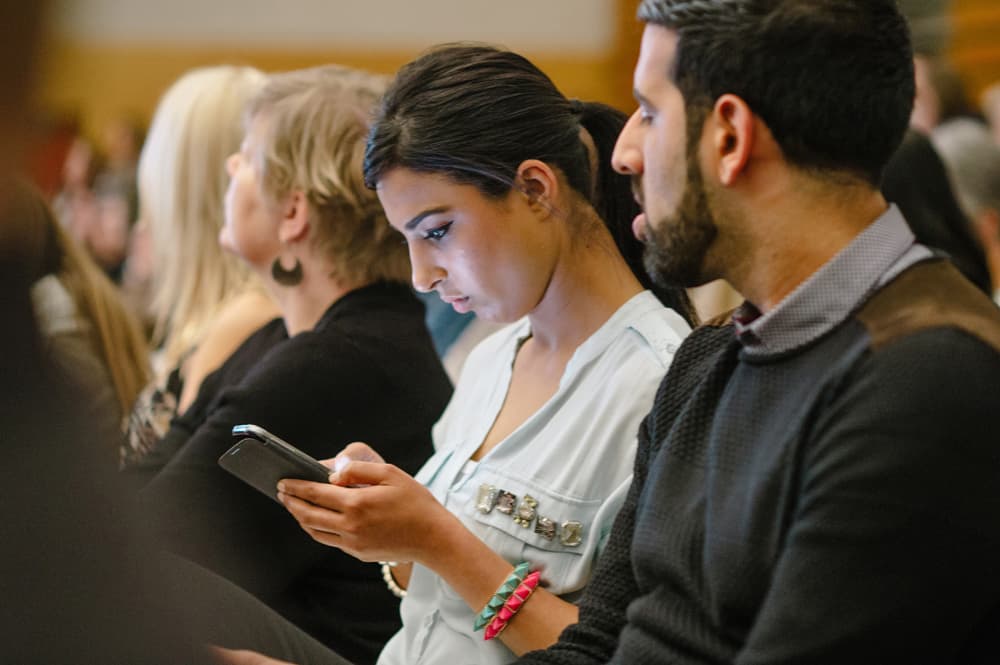
Photo: University of the Fraser Valley via Wikimedia Commons (CC BY 2.0).
.jpg)
Related stories

The Best Trend in Fashion Right Now Is Looking Unbothered
The most wearable runway idea this season isn’t a single item—it’s the return of clothes that look lived in, easy, and ready for an actual day. For shoppers, that means buying less fantasy and more pieces that earn repeat wear.
The Best Closet Upgrade Might Be Someone Else’s Return Pile
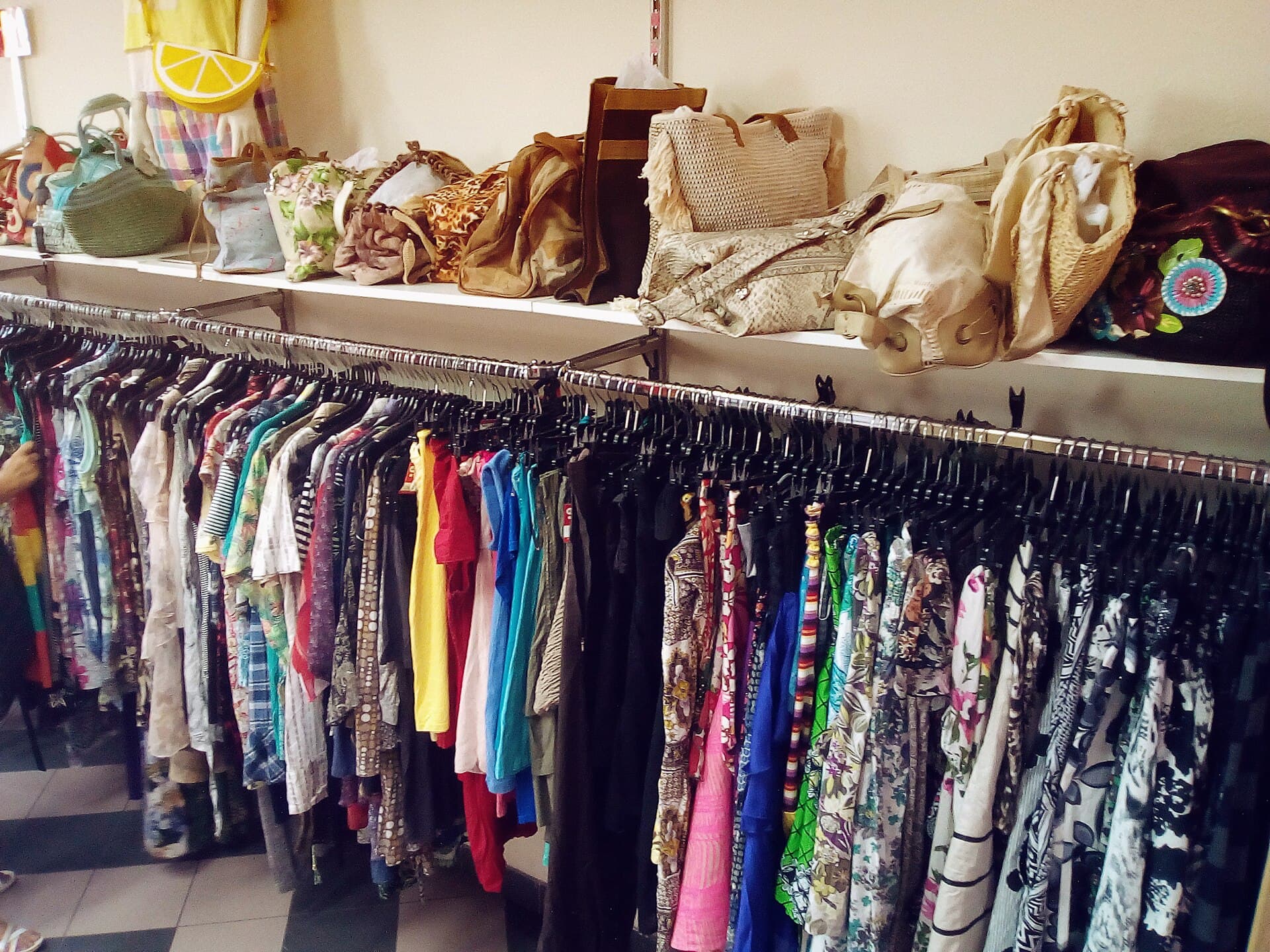
For shoppers tired of flimsy trends and constant micro-hauls, thrift stores offer a slower, smarter way to buy clothes. The real appeal isn’t just saving money—it’s finding pieces that actually deserve closet space.

Why Independent Fashion Labels Need Community More Than Hype
Big fashion headlines can distract from the fragile reality of independent labels. For shoppers, the most meaningful support often looks less like chasing trends and more like showing up for small brands consistently.