What Ingredient Crackdowns Could Mean for Your Grocery Cart
If regulators take a harder look at what gets into packaged food, shoppers may see more label changes before they see lower prices. The practical move now is learning which pantry staples are easiest to swap without blowing your budget.
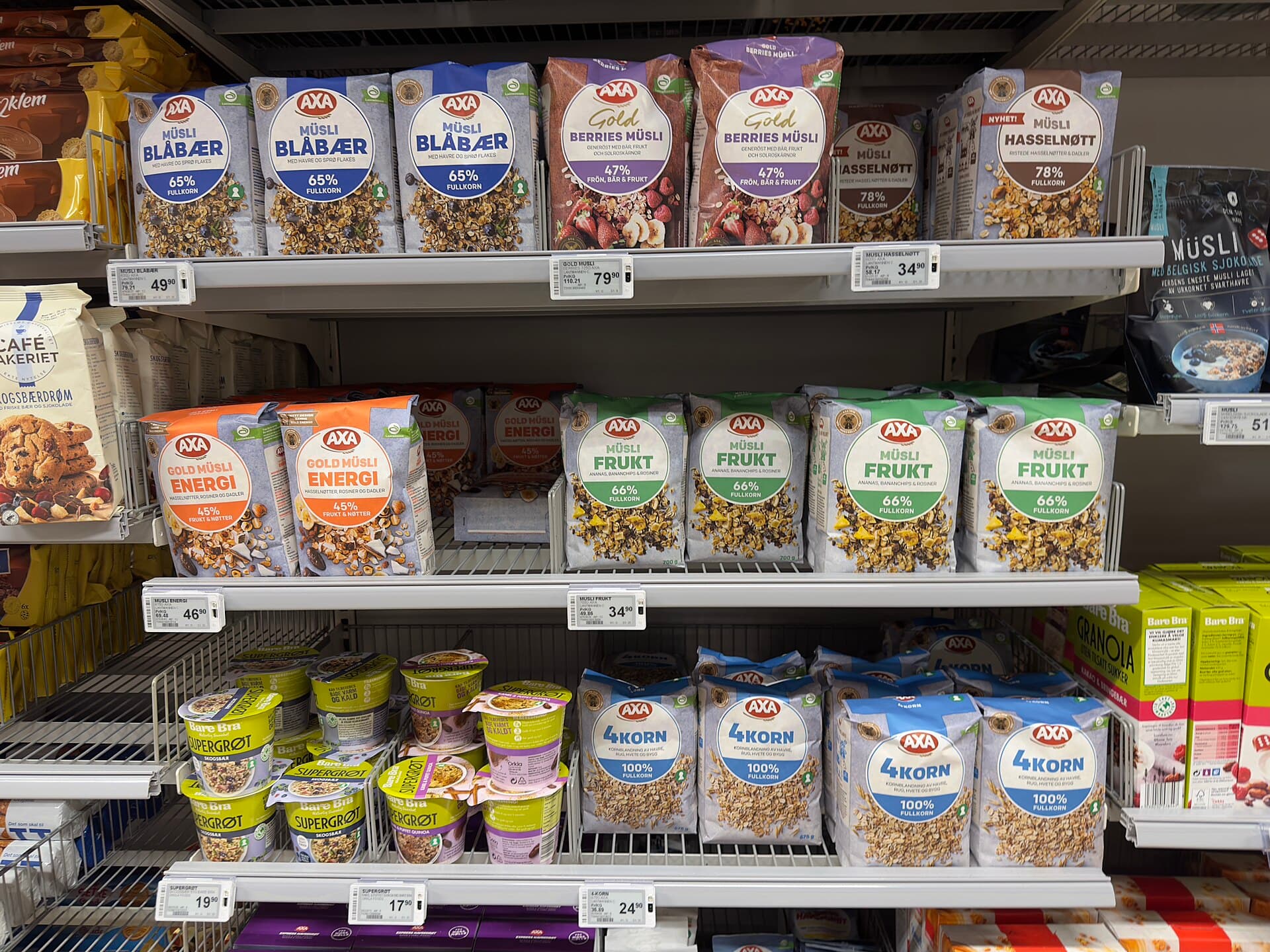
Most people do not follow food policy until it shows up in the cereal aisle. But when officials start talking about tighter rules for ingredients in the food supply, the real-life question is simple: will this make grocery shopping easier, safer, or just more confusing? For shoppers, the first visible change is usually not a dramatic product recall. It is a quiet label rewrite, a reformulated snack, or a familiar item that suddenly tastes a little different.
There is a good argument for tougher scrutiny of ingredients that have been waved through too casually over the years. At the same time, consumers should be realistic about how these changes usually land. Big brands can adapt faster than small ones, and reformulation costs often end up somewhere on the receipt. That does not mean oversight is a bad idea. It means shoppers should expect a transition period where packaging gets cleaner-looking faster than the food system gets simpler.
The practical play is to focus on the categories where ingredient lists tend to sprawl: brightly colored drinks, ultra-processed snacks, bargain desserts, and shelf-stable convenience foods. You do not need to turn every shopping trip into a chemistry seminar, but it is worth comparing labels on the items you buy every week. Often the best-value option is not the one with the flashiest health language on the front, but the one with a shorter, more recognizable list on the back.
This is also a moment for home cooks to remember that boring staples are underrated. Yogurt, oats, rice, beans, pasta sauce, frozen vegetables, peanut butter, and eggs may not feel trendy, but they give you more control than heavily engineered convenience foods ever will. If new rules push brands to clean up formulas, that is welcome. Until then, the smartest food-and-wine advice is still to spend less on novelty and more on ingredients you can actually use.
Photo: Wolfmann via Wikimedia Commons (CC BY-SA 4.0).
_Frokostblandinger_gryn_m%C3%BCsli_Axa_frukt_energi_4-korn_bl%C3%A5b%C3%A6r_(cereals_muesli)_etc_Tj%C3%B8me_NORWAY_2023-08-31_IMG_1095.jpg)
Related stories
Why Neighborhood Food Festivals Are the Best Way to Try Japanese Cooking
A local Japanese food festival can be a smarter introduction than a pricey restaurant reservation. The best part is the chance to try a wider range of dishes, flavors, and community traditions in one afternoon.
The Cheapest Meal Upgrade Is Learning to Cook What You Already Bought
A smarter kitchen starts before the grocery store and pays off all week. Using what’s already in the fridge can stretch a food budget without making meals feel like leftovers on repeat.

What Diners Should Look For Before Making a Food Truck Park a Regular Stop
When a food truck park becomes the center of online complaints, it’s a reminder that diners should pay attention to more than just the menu photos. A great food stop needs consistency, transparency, and a setup that works for both customers and vendors.