What Restaurant Inspection Weeks Really Tell Smart Diners
Inspection roundups can feel like gotcha content, but they’re more useful as a guide to how food businesses handle pressure, cleanup, and follow-through. For diners, the real value is knowing what patterns matter before your next meal out.
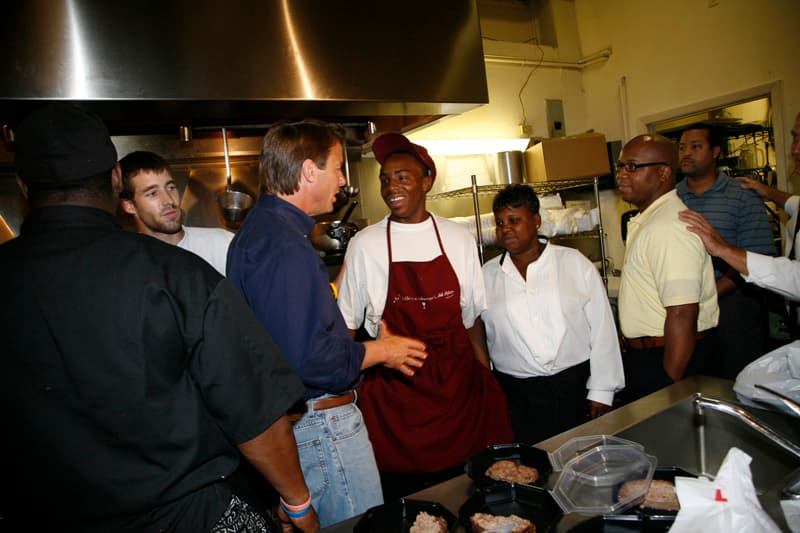
Weekly inspection stories tend to get shared like a warning siren, but the smartest way to read them is as a snapshot, not a scarlet letter. One rough report does not automatically mean a place is unsafe forever, and one clean visit does not mean a kitchen never slips. What matters most is whether problems look fixable and routine or like signs of a deeper habit of cutting corners.
For everyday diners, the most revealing issues are usually the least dramatic. Hot food held at the wrong temperature, poor handwashing setups, sanitizer problems, cross-contamination risks, and dirty food-contact surfaces are the kinds of details that tell you whether a restaurant has its basic systems under control. A missed paper towel dispenser is different from a pattern of sloppy storage and repeat violations that point to weak management.
That is why follow-up matters more than outrage. A useful inspection culture is not about dunking on local businesses; it is about whether operators correct problems quickly and keep them corrected. Restaurants are busy, hot, understaffed workplaces, and mistakes happen. The places worth trusting are the ones that treat inspections as part of doing business well, not as an annoying surprise to survive.
If you like eating local, inspection news should make you a more attentive customer, not a more fearful one. Check public reports when they are available, look for repeat issues instead of isolated ones, and pay attention to what you can see yourself when you walk in: clean tables, orderly service areas, stocked restrooms, and food arriving as hot or cold as it should. That approach is less sensational, more practical, and a lot better for deciding where to spend your dining dollars.
Photo: Rachel Feierman as part of the John Edwards 2008 Flickr photostream via Wikimedia Commons (CC BY-SA 2.0).

Related stories
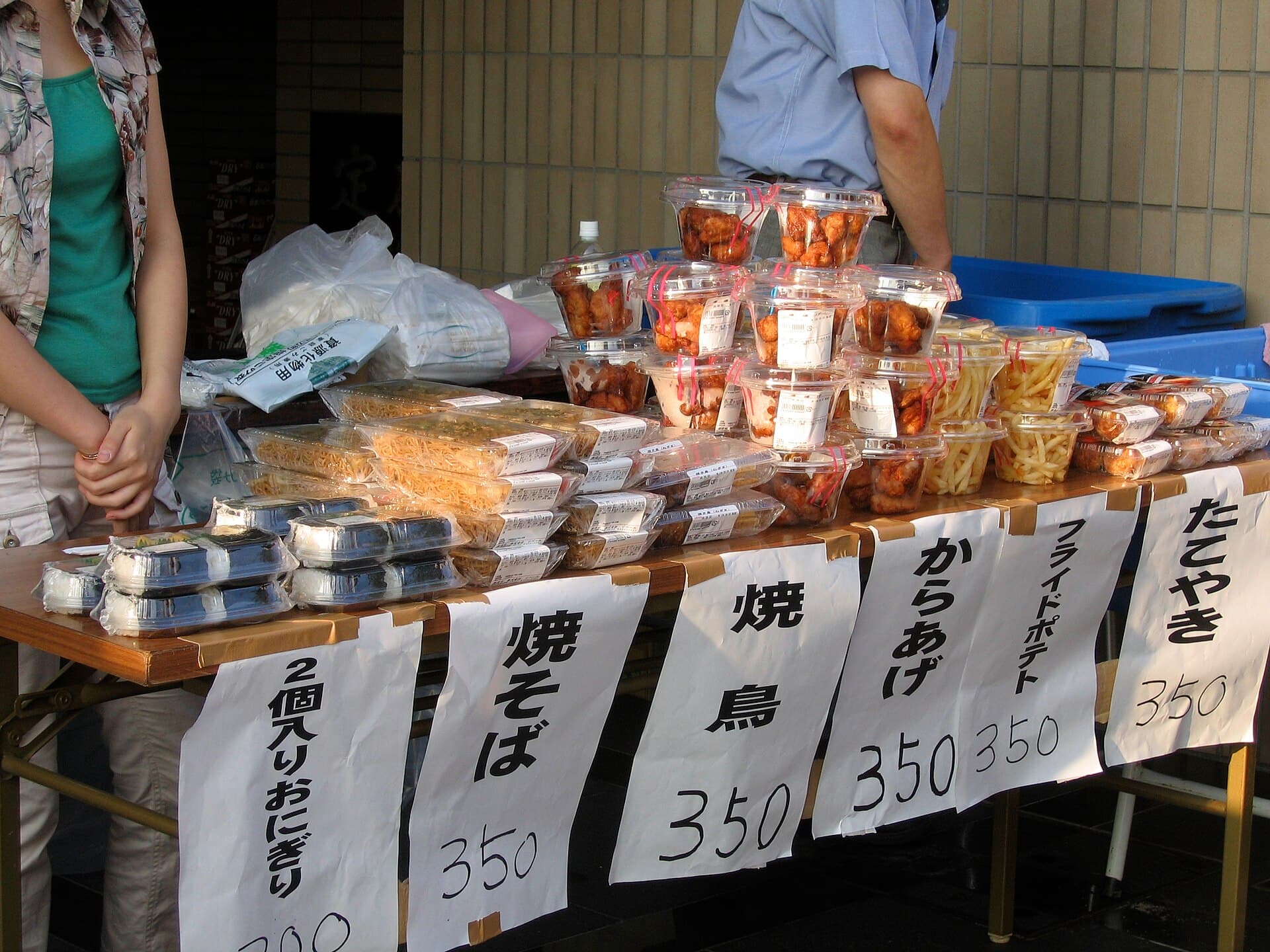
Why Neighborhood Food Festivals Are the Best Way to Try Japanese Cooking
A local Japanese food festival can be a smarter introduction than a pricey restaurant reservation. The best part is the chance to try a wider range of dishes, flavors, and community traditions in one afternoon.
The Cheapest Meal Upgrade Is Learning to Cook What You Already Bought
A smarter kitchen starts before the grocery store and pays off all week. Using what’s already in the fridge can stretch a food budget without making meals feel like leftovers on repeat.

What Diners Should Look For Before Making a Food Truck Park a Regular Stop
When a food truck park becomes the center of online complaints, it’s a reminder that diners should pay attention to more than just the menu photos. A great food stop needs consistency, transparency, and a setup that works for both customers and vendors.