What to Ask Before You Buy the Interesting Bottle
Wine language can feel like a barrier, especially when a shelf tag leans poetic instead of practical. A few simple questions can turn vague tasting notes into a smarter, more satisfying bottle pick.
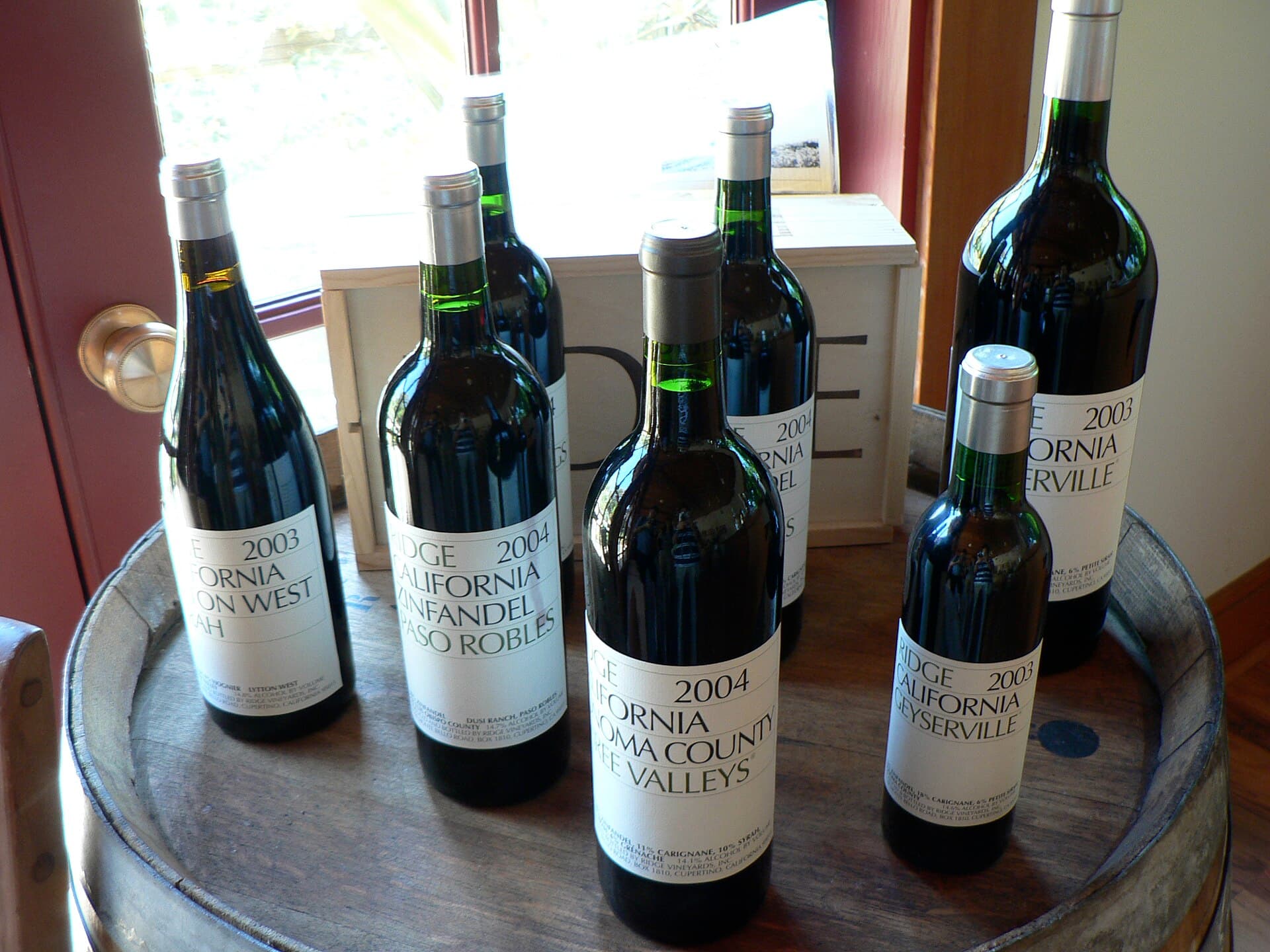
A lot of wine writing still assumes shoppers want romance first and clarity second. That can be charming on a tasting room patio, but it is less helpful when you are standing in a store trying to decide whether one bottle will actually work with dinner. If a description gets too dreamy, the most useful move is to translate it into plain terms: Is it light or rich, crisp or soft, fruity or earthy, better for sipping or better with food?
This matters even more with regions and grapes that are less familiar to casual US drinkers. An intriguing bottle is often a good buy precisely because it is not the obvious choice on the shelf, but only if you know what kind of experience you are bringing home. Instead of chasing every clever back label, look for cues that affect enjoyment right away, like acidity, body, tannin, and whether the wine was made to feel fresh and bright or fuller and more textured.
The good news is that wine does not have to stay mysterious to stay interesting. A helpful shop or winery should be able to explain a bottle in everyday language without draining the fun out of it. If they cannot, that is usually a sign the story around the wine is doing more work than the wine itself. Shoppers should not feel embarrassed for wanting direct answers, especially when they are spending on a weekday bottle rather than a special-occasion splurge.
The best value often comes from bottles that are distinctive but still easy to understand once someone drops the jargon. That is where a little curiosity pays off: ask what it tastes like, what to eat with it, and what similar wine you might already know. You do not need a seminar to buy well. You just need enough translation to tell whether the interesting bottle is actually your kind of interesting.
Photo: Naotake Murayama via Wikimedia Commons (CC BY 2.0).

Related stories
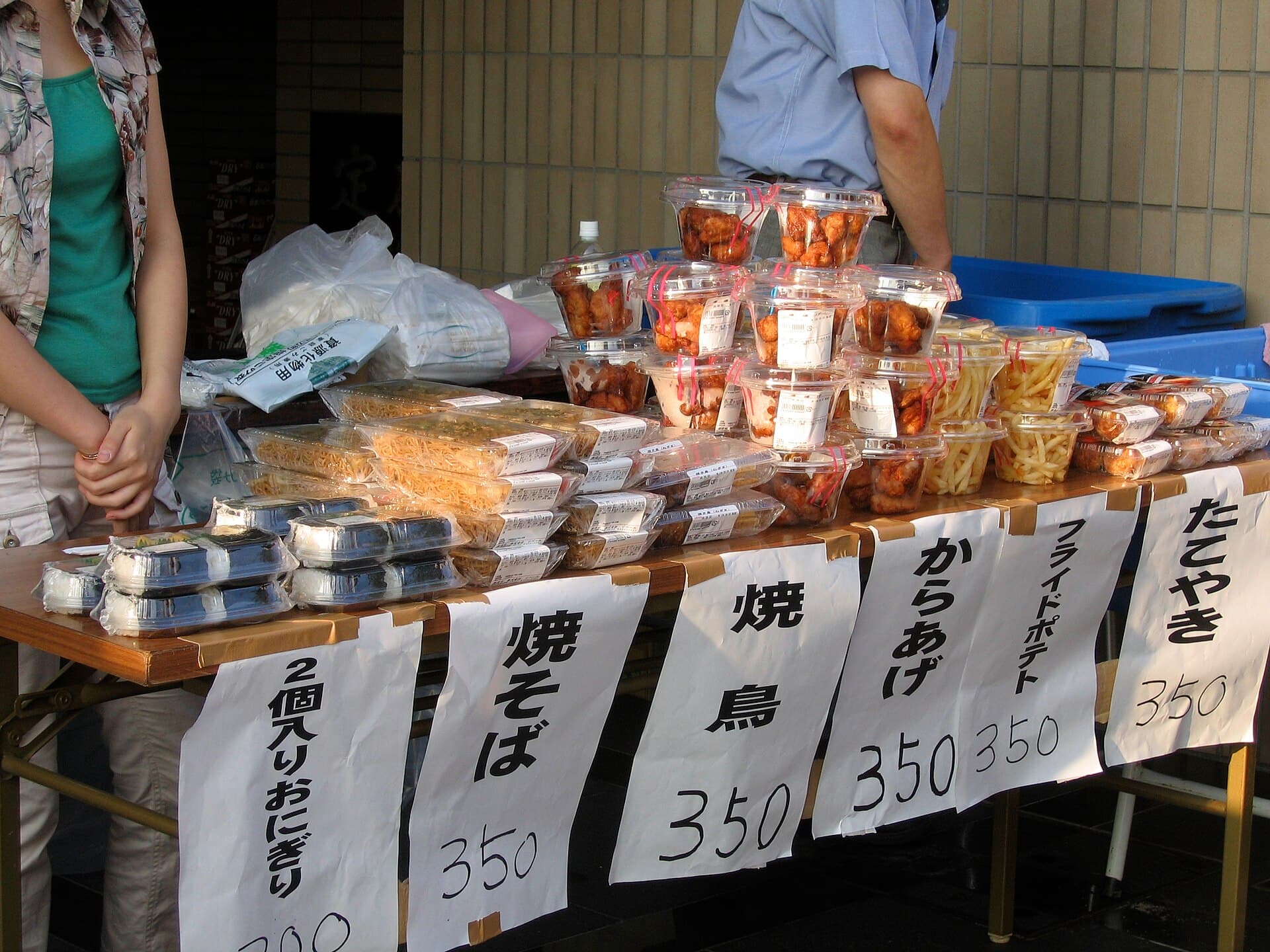
Why Neighborhood Food Festivals Are the Best Way to Try Japanese Cooking
A local Japanese food festival can be a smarter introduction than a pricey restaurant reservation. The best part is the chance to try a wider range of dishes, flavors, and community traditions in one afternoon.
The Cheapest Meal Upgrade Is Learning to Cook What You Already Bought
A smarter kitchen starts before the grocery store and pays off all week. Using what’s already in the fridge can stretch a food budget without making meals feel like leftovers on repeat.

What Diners Should Look For Before Making a Food Truck Park a Regular Stop
When a food truck park becomes the center of online complaints, it’s a reminder that diners should pay attention to more than just the menu photos. A great food stop needs consistency, transparency, and a setup that works for both customers and vendors.