What to Do When a Pet Food Scare Hits Your Feed
When worried pet owners start comparing notes online, it can be hard to separate rumor from a real safety issue. A calmer, practical approach can help you protect your dog without panic-buying or guilt.
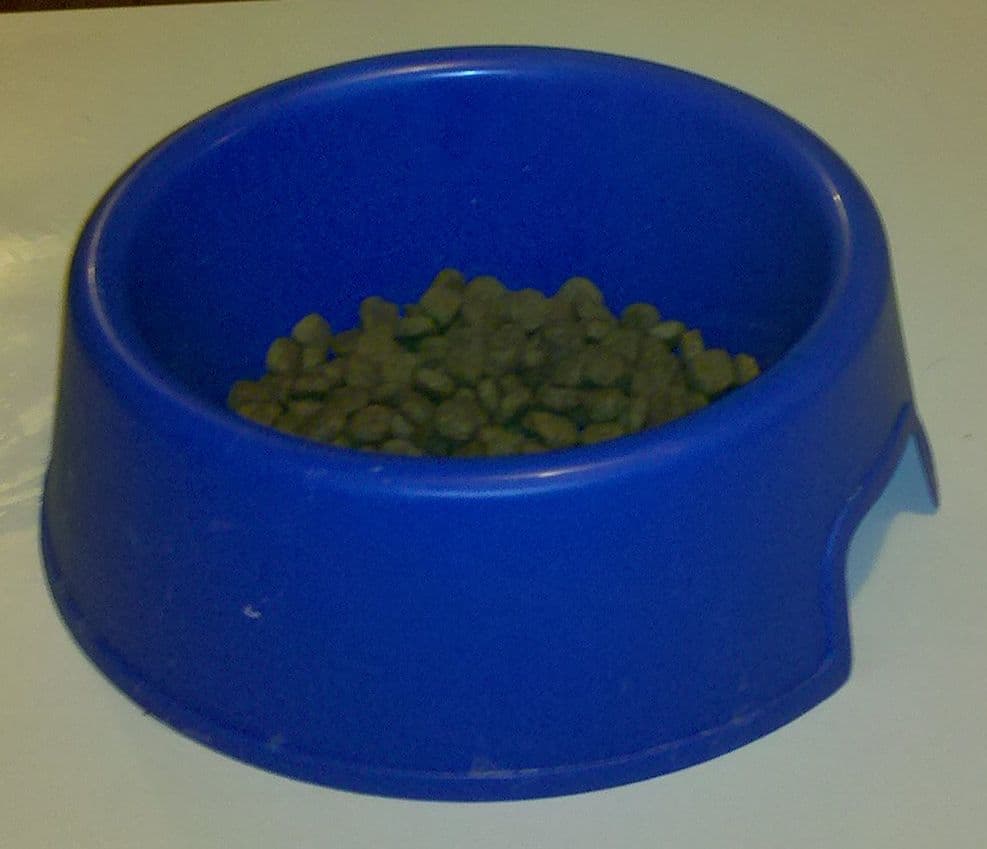
Few things make people spiral faster than the idea that something routine and well-intentioned—like filling a dog’s bowl—might have done harm. That’s why pet food scares hit so hard: they don’t just raise safety questions, they also trigger guilt. For most owners, the healthiest response is neither denial nor doomscrolling, but a pause long enough to check what’s known, what’s anecdotal, and what your own pet is actually showing you.
If a concern starts circulating around a specific food, it’s worth doing the unglamorous basics right away. Save the packaging, lot number, and purchase details before tossing anything. Watch for changes in appetite, energy, digestion, coat, and eyes, and call your veterinarian if something seems off rather than trying to crowdsource a diagnosis. The internet is good at surfacing patterns, but it’s terrible at confirming causes.
This is also a useful reminder that budget shopping for pet food should be about value, not just the lowest shelf price or the trendiest premium label. Read ingredient panels, look for clear manufacturer information, and pay attention to whether a brand makes it easy to find contact details and safety updates. A food doesn’t have to be fancy to be dependable, but it should come from a company that acts like traceability matters.
The bigger culture problem is that pet owners are often left to play detective after a worry goes viral. Until transparency gets better across the industry, the smartest move is to keep records, transition foods carefully, and resist dramatic overnight switches unless a vet advises one. Panic rarely helps a dog, but a paper trail and a trusted vet often do.
Photo: Ohiopetwatch via Wikimedia Commons (CC BY-SA 3.0).

Related stories
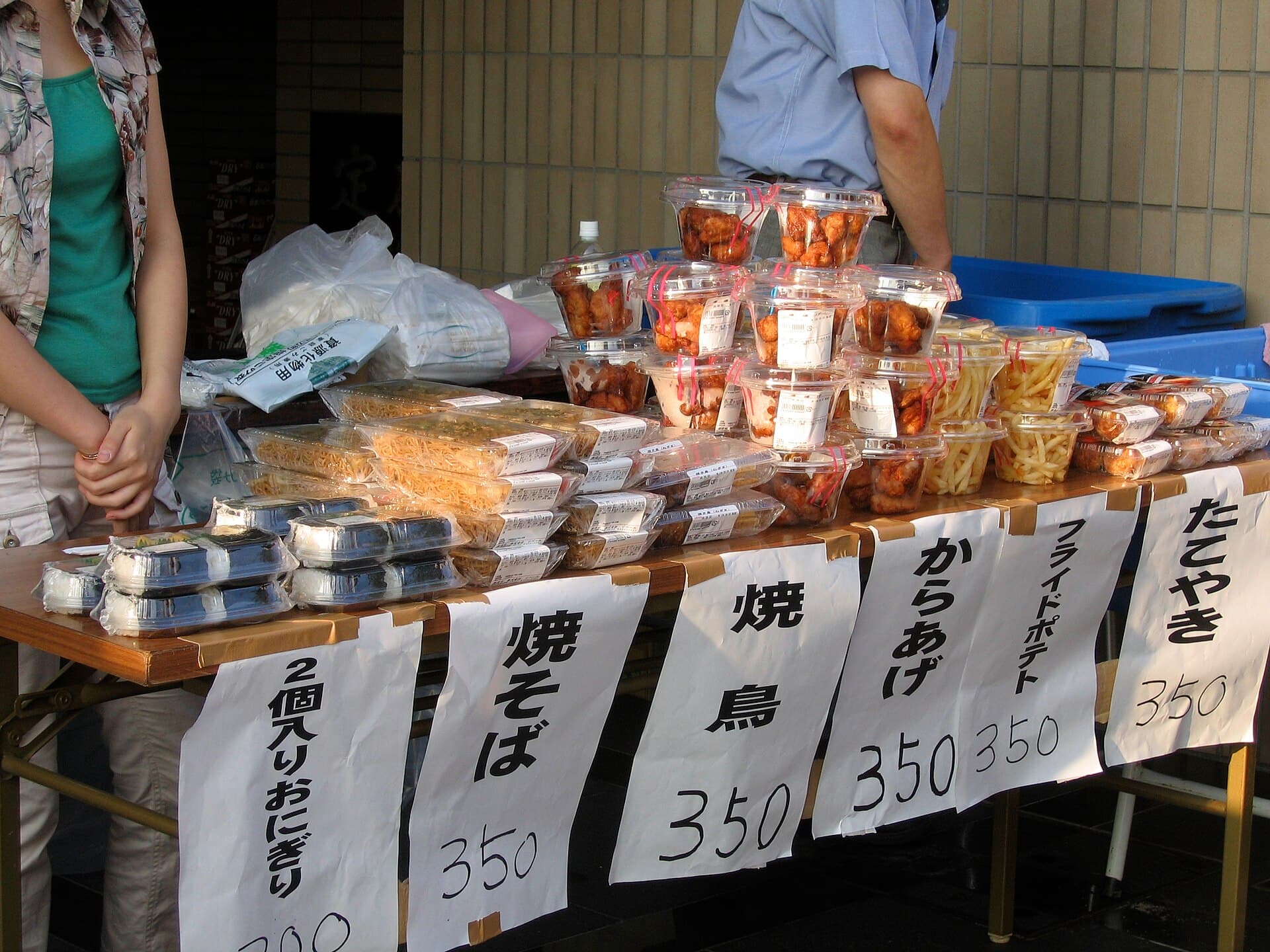
Why Neighborhood Food Festivals Are the Best Way to Try Japanese Cooking
A local Japanese food festival can be a smarter introduction than a pricey restaurant reservation. The best part is the chance to try a wider range of dishes, flavors, and community traditions in one afternoon.
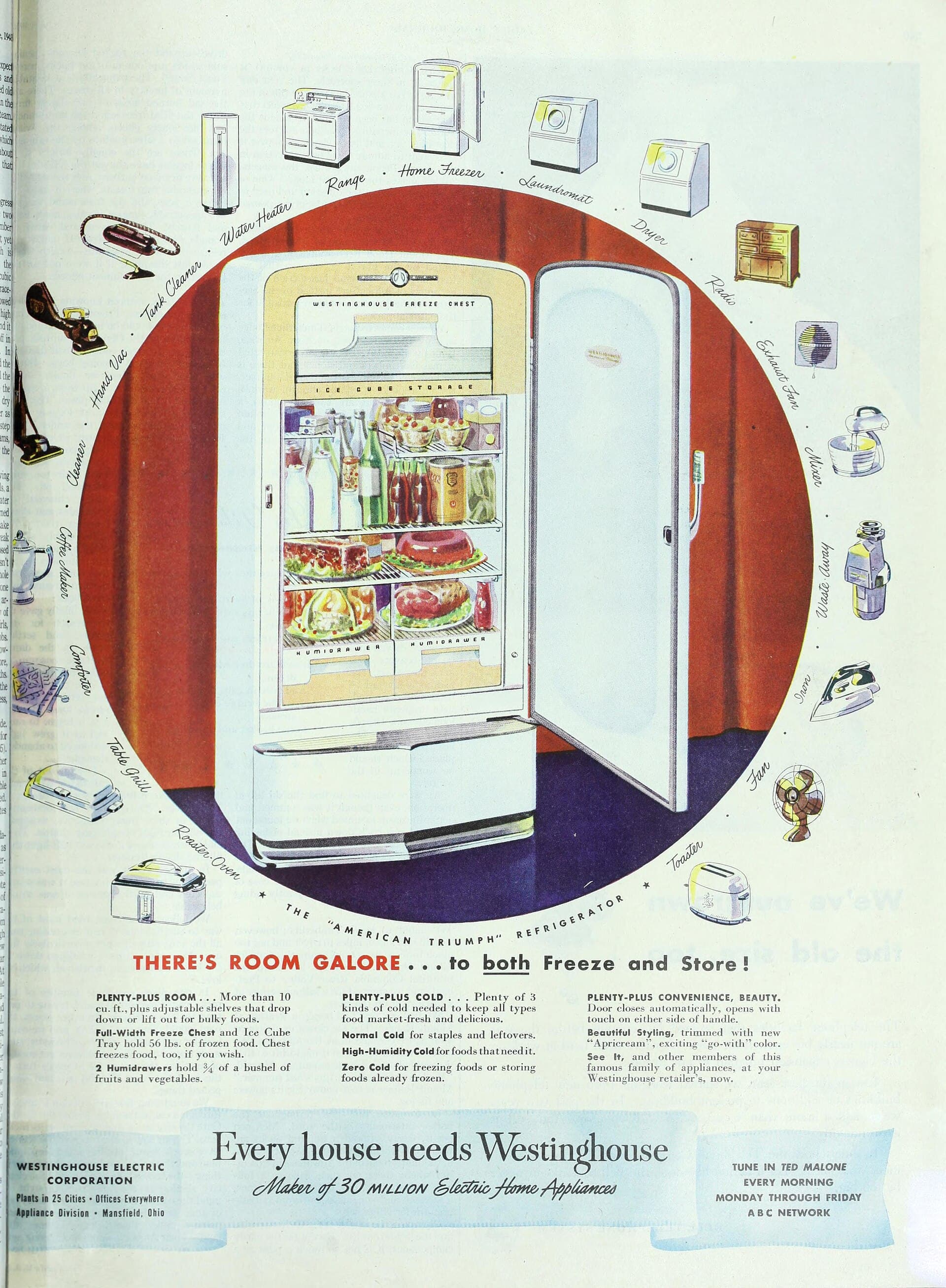
The Cheapest Meal Upgrade Is Learning to Cook What You Already Bought
A smarter kitchen starts before the grocery store and pays off all week. Using what’s already in the fridge can stretch a food budget without making meals feel like leftovers on repeat.

What Diners Should Look For Before Making a Food Truck Park a Regular Stop
When a food truck park becomes the center of online complaints, it’s a reminder that diners should pay attention to more than just the menu photos. A great food stop needs consistency, transparency, and a setup that works for both customers and vendors.