When Food Worries Turn Into Friendship Strain
It’s hard to watch someone you love make choices that seem to hurt them, especially when food is tied up with comfort, routine, and pride. The most useful response is usually less policing and more steady, respectful support.
One of the hardest parts of adult friendship is realizing you cannot manage another person’s habits for them, even when those habits seem painfully obvious from the outside. Food is especially loaded because it sits at the intersection of pleasure, stress, culture, money, and health. What looks like stubbornness may also be loneliness, exhaustion, grief, or a lifetime of coping patterns that don’t change because someone delivers a lecture over lunch.
If you are genuinely worried about a friend, the most practical move is to stop acting like a food detective. Commenting on portions, groceries, weight, or every restaurant choice usually makes people defensive, not reflective. A calmer approach is to talk about what you’ve noticed in terms of energy, mobility, mood, or daily comfort, and to do it privately, kindly, and without turning the conversation into a trial. Respect matters here because shame rarely inspires good decisions for long.
It also helps to offer friendship that is not centered on eating. Suggest a walk, a museum afternoon, a standing coffee date, or an errand run together. Invite them into routines that make life feel a little bigger than the next meal. This is not a trick to fix someone; it is a way to keep connection alive while making room for other forms of pleasure and self-care that can get crowded out.
There is also a point where concern becomes burnout, and that deserves honesty too. You are allowed to care deeply without making yourself responsible for another adult’s body. If every hangout turns into fear, resentment, or silent monitoring, it may be healthier to reset your role. Be a friend, not a warden. Sometimes the kindest thing you can do is stay present, speak once with love, and then let your support be consistent rather than controlling.
Photo: Frank H. Nowell via Wikimedia Commons (Public domain).
.jpg)
Related stories
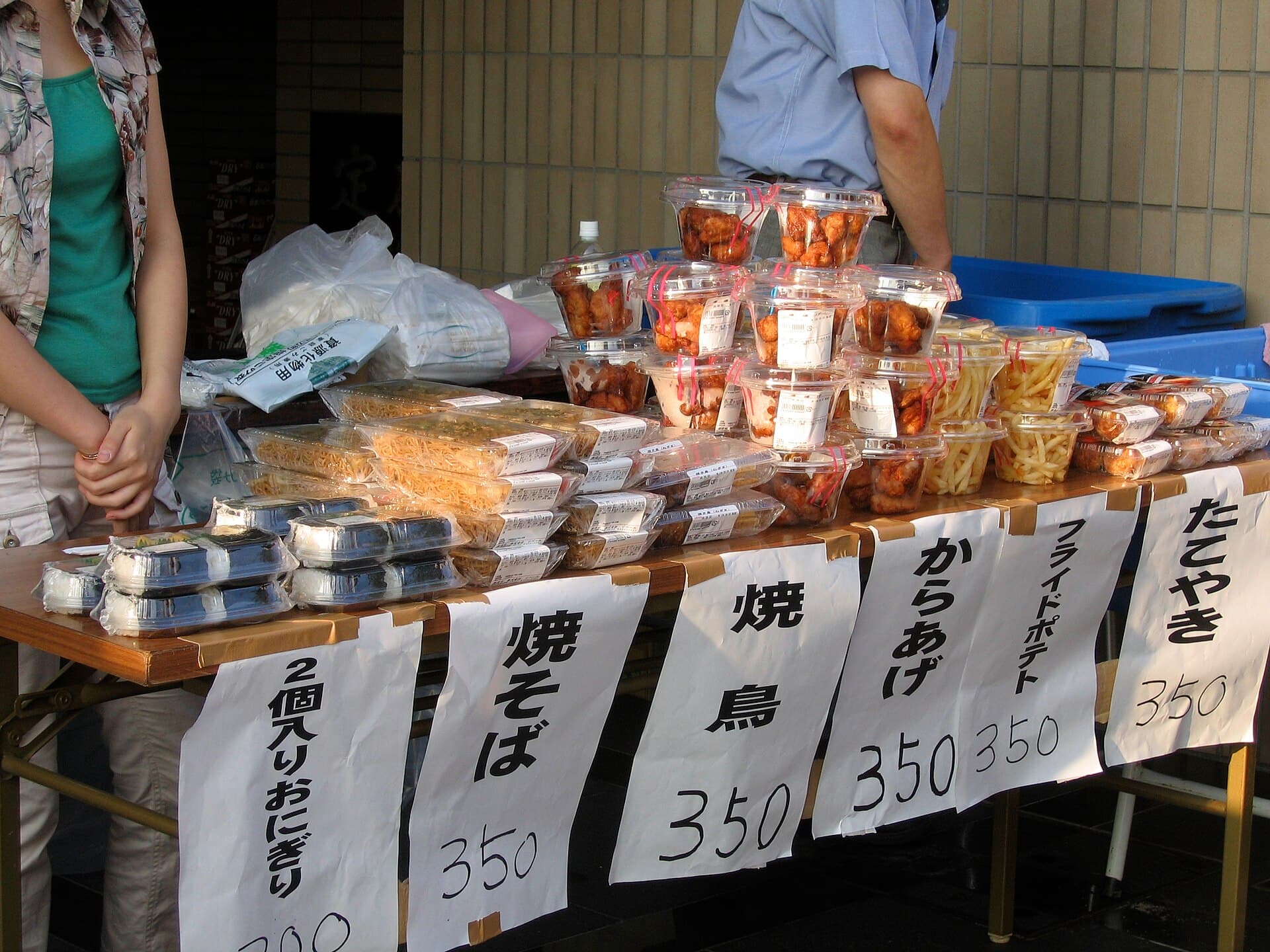
Why Neighborhood Food Festivals Are the Best Way to Try Japanese Cooking
A local Japanese food festival can be a smarter introduction than a pricey restaurant reservation. The best part is the chance to try a wider range of dishes, flavors, and community traditions in one afternoon.
The Cheapest Meal Upgrade Is Learning to Cook What You Already Bought
A smarter kitchen starts before the grocery store and pays off all week. Using what’s already in the fridge can stretch a food budget without making meals feel like leftovers on repeat.

What Diners Should Look For Before Making a Food Truck Park a Regular Stop
When a food truck park becomes the center of online complaints, it’s a reminder that diners should pay attention to more than just the menu photos. A great food stop needs consistency, transparency, and a setup that works for both customers and vendors.