When Free Groceries Become the New Weekly Errand
As public food programs get tighter, community pickup sites are becoming part of the normal shopping routine for many families. The real lifestyle shift is learning to treat free food distribution as practical household planning, not a last-resort exception.
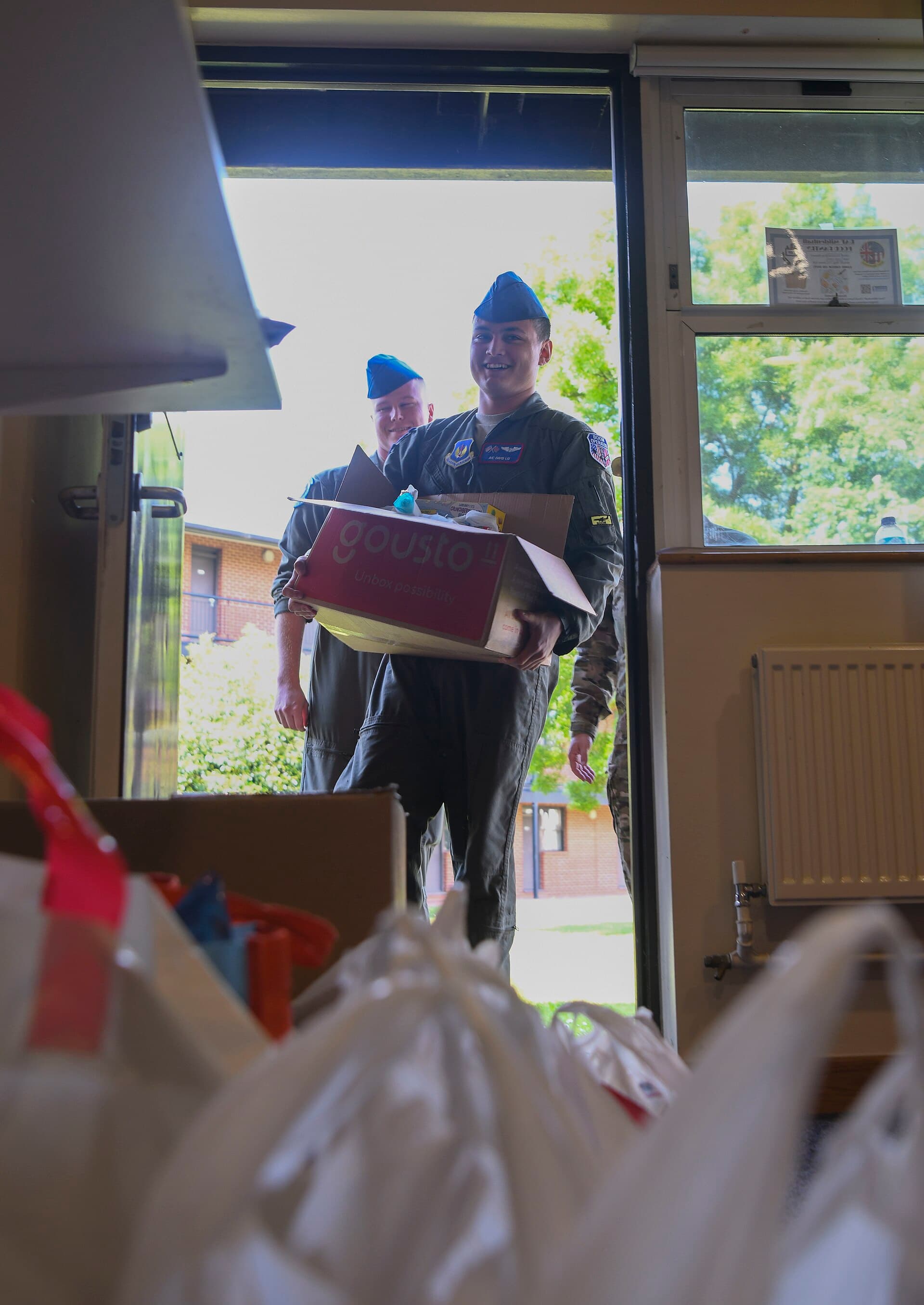
For a lot of households, the old line between grocery shopping and emergency food help has been fading for years. When budgets get squeezed by rent, utilities, and school costs, a free food distribution is not some separate category of need. It is dinner, lunchboxes, and one less stressful checkout trip at the end of the week.
There is also a cultural hang-up that deserves to go. Plenty of working families, caregivers, older adults, and people between paychecks use community food programs because the math simply does not work otherwise. If a local pickup helps stretch your budget so you can keep fresh food in the house, that is not failure. That is smart resource management.
The practical challenge is that free food often asks people to be flexible. You may not know exactly what you are getting, and that can change how you cook for the week. Households that do this well tend to think less in terms of fixed recipes and more in terms of adaptable meals like soups, rice bowls, pasta, sandwiches, and roasted vegetables that can absorb whatever shows up.
What matters now is treating food access as part of everyday infrastructure, not a seasonal charity story. For readers, that means paying attention to where distributions happen, what identification or timing is required, and how to store and use food quickly once it gets home. The less stigma attached to that routine, the easier it becomes for people to feed themselves with dignity and a little more breathing room in the budget.
Photo: U.S. Air Force 100ARWPA by Senior Airman Alexandria Lee via Wikimedia Commons (Public domain).
.jpg)
Related stories
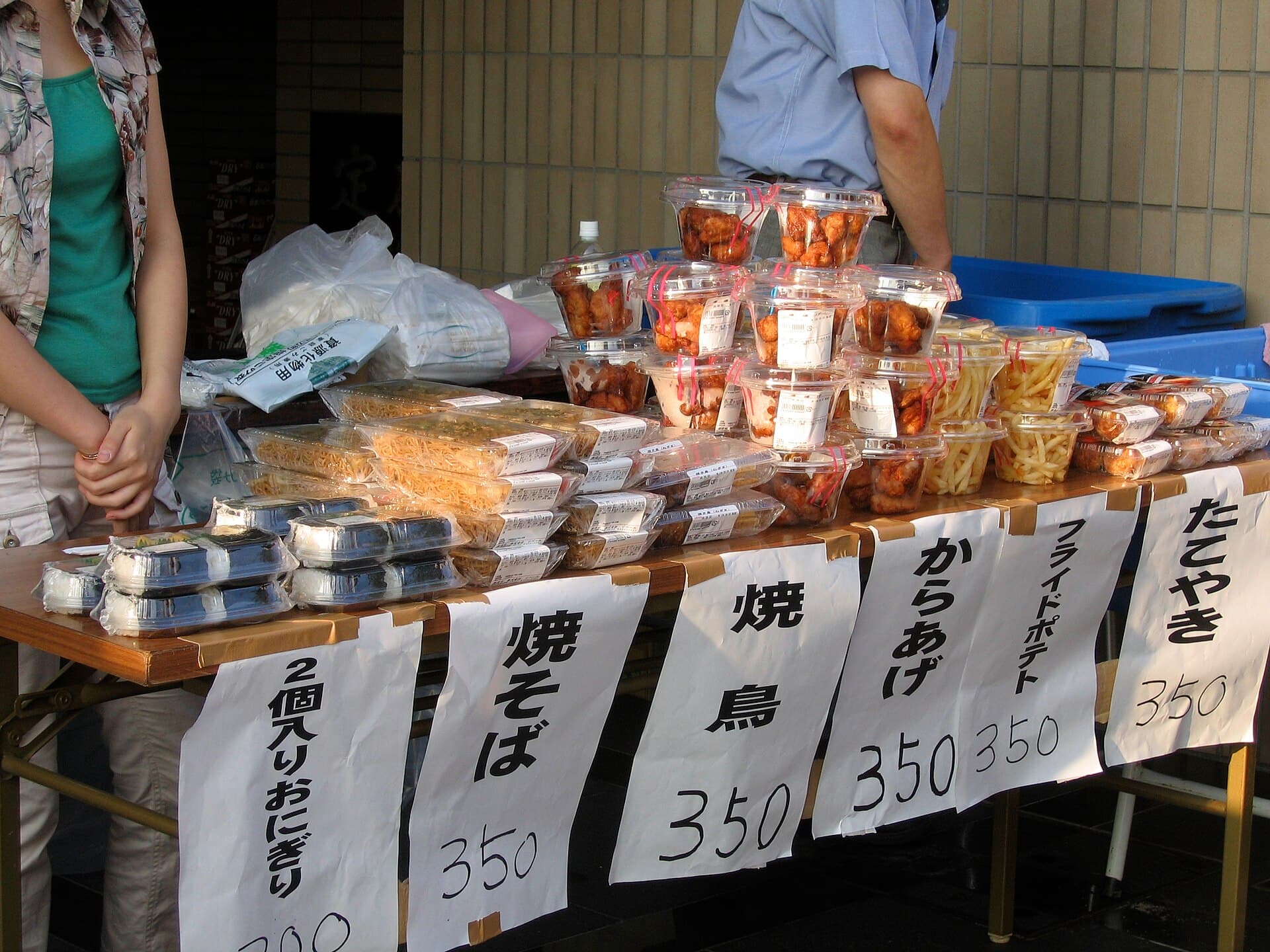
Why Neighborhood Food Festivals Are the Best Way to Try Japanese Cooking
A local Japanese food festival can be a smarter introduction than a pricey restaurant reservation. The best part is the chance to try a wider range of dishes, flavors, and community traditions in one afternoon.
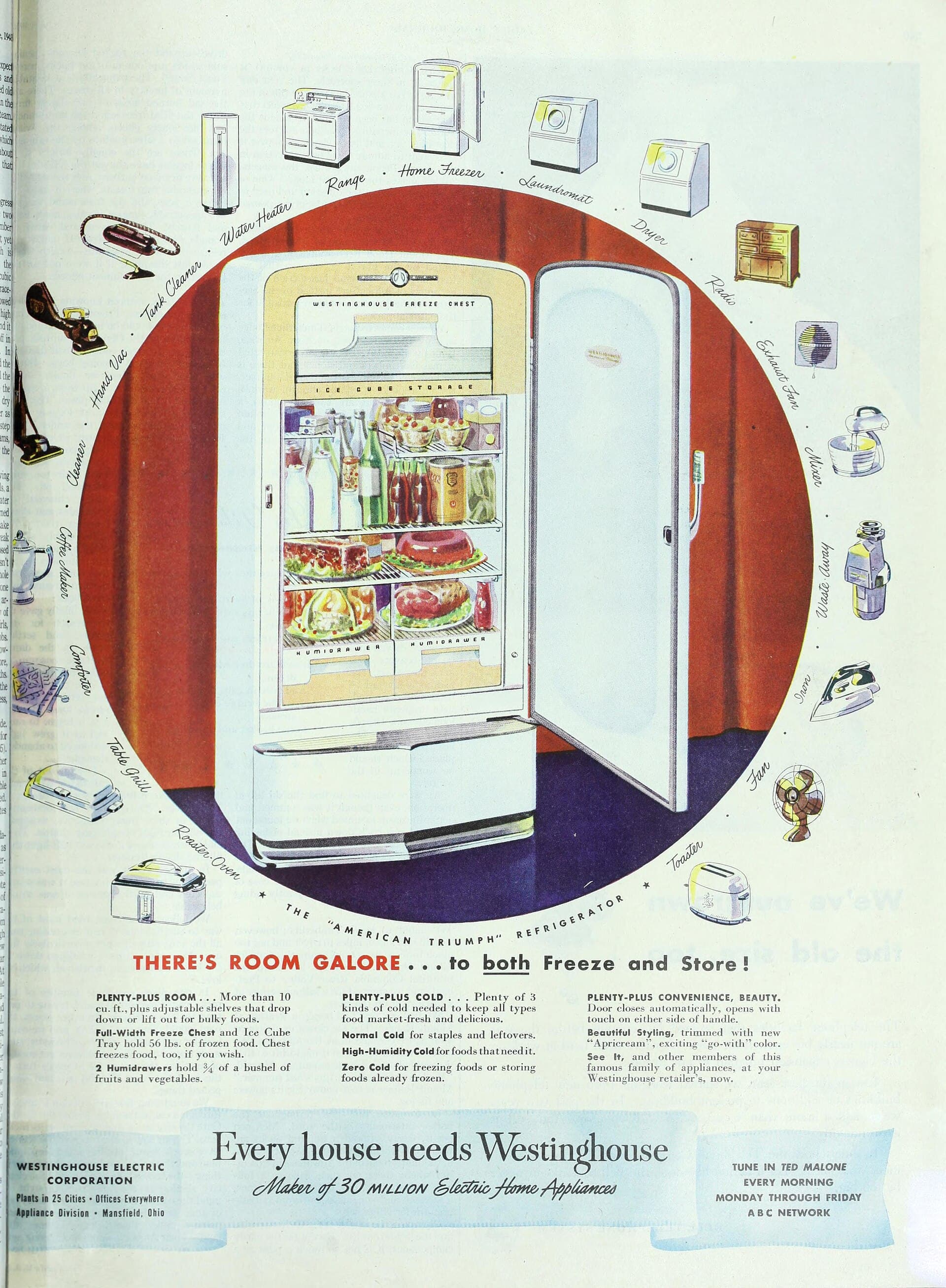
The Cheapest Meal Upgrade Is Learning to Cook What You Already Bought
A smarter kitchen starts before the grocery store and pays off all week. Using what’s already in the fridge can stretch a food budget without making meals feel like leftovers on repeat.
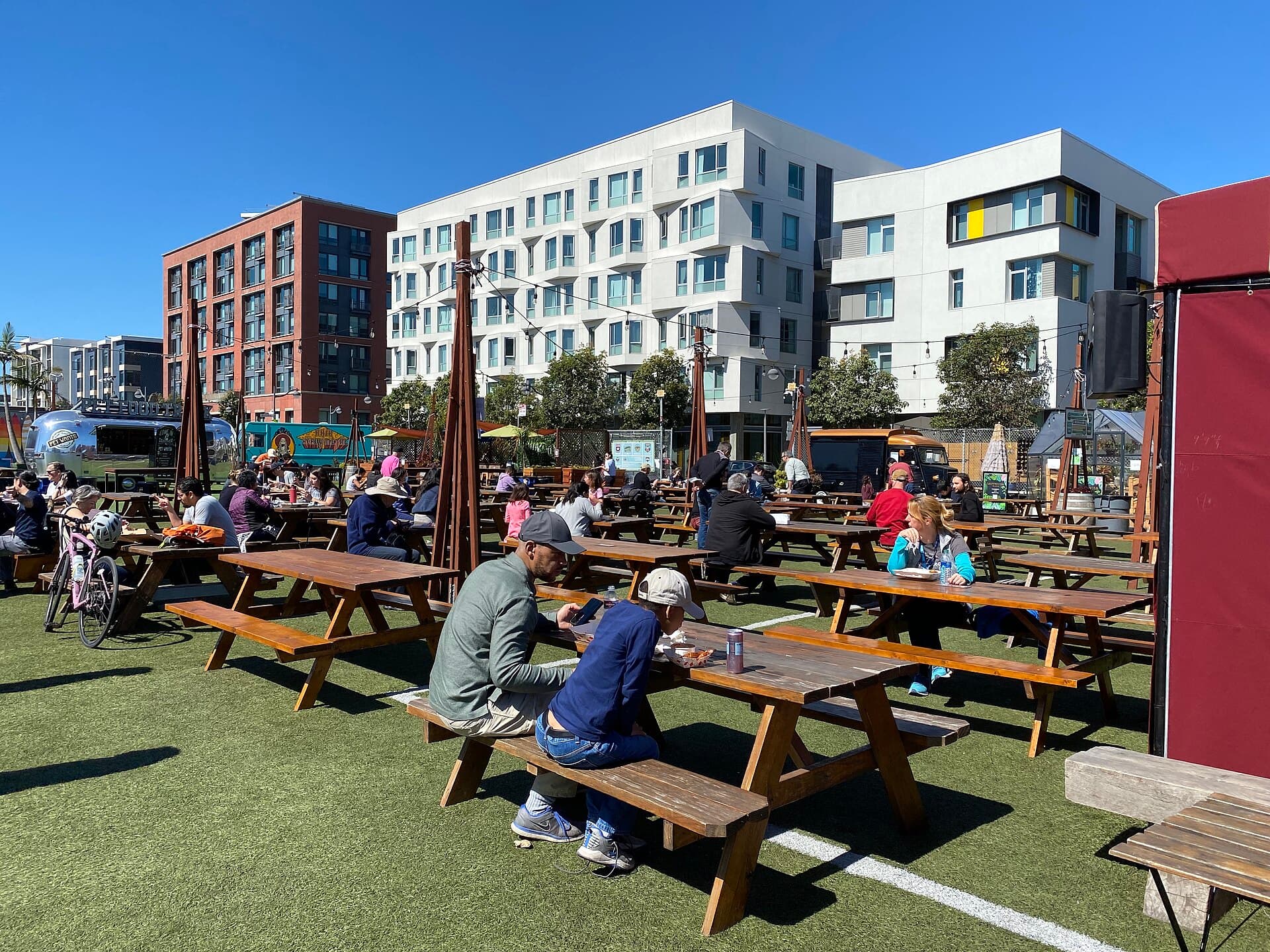
What Diners Should Look For Before Making a Food Truck Park a Regular Stop
When a food truck park becomes the center of online complaints, it’s a reminder that diners should pay attention to more than just the menu photos. A great food stop needs consistency, transparency, and a setup that works for both customers and vendors.