When Grocery Budgets Get Tight, Dignity Shouldn’t Be the First Thing Cut
Rising food costs are turning everyday grocery runs into math problems, especially for older Americans on fixed incomes. The real issue isn’t just price tags — it’s whether eating well is treated as a basic part of aging with dignity.

There’s a big difference between “saving money on food” and quietly lowering the standard of what people deserve to eat. For many older Americans, grocery shopping has become a running calculation: which staples can stay, which fresh items have to go, and whether a trip to the store will mean giving something else up later in the month. That’s not a niche budgeting problem. It’s a quality-of-life problem hiding in plain sight.
Food inflation hits fixed incomes in a uniquely punishing way because there’s so little room to adjust. Younger shoppers may swap brands, pick up extra work, or wait out a rough month. Retirees and disabled seniors often don’t have those options. When prices rise on basics like eggs, bread, produce, or prepared foods that make life easier, the burden lands hardest on people who already plan carefully and waste the least.
The practical response has to go beyond telling people to clip coupons or buy in bulk. Bulk sizes require cash up front, storage space, and often the ability to carry heavy bags home. Even “cheap” cooking assumes time, energy, and health. A more honest conversation would focus on making food access simpler: better neighborhood grocery options, easier benefit use, reliable meal delivery, and community support that doesn’t make people feel embarrassed for needing help.
A society that prides itself on convenience shouldn’t accept older adults skipping meals while stores market endless abundance to everyone else. The measure of a food system isn’t how many premium snacks it can sell. It’s whether someone living on a fixed income can still count on breakfast, lunch, and dinner without fear. That shouldn’t be framed as a luxury, and it definitely shouldn’t be treated like a personal failure.
Photo: The National Guard Tech. Sgt. Michael Matkin/161st Air Refueling Wing Public Affairs via Wikimedia Commons (Public domain).
.jpg)
Related stories
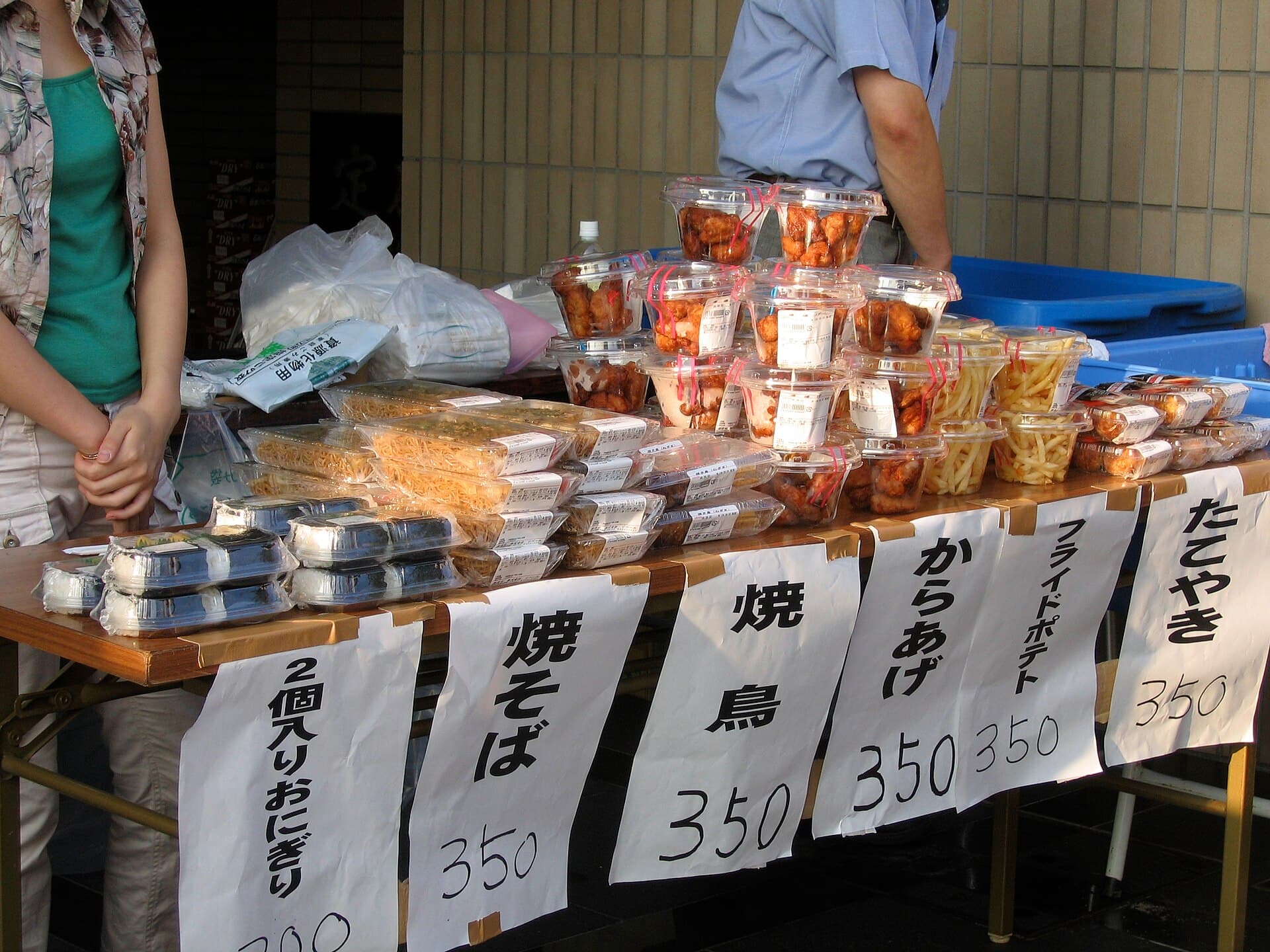
Why Neighborhood Food Festivals Are the Best Way to Try Japanese Cooking
A local Japanese food festival can be a smarter introduction than a pricey restaurant reservation. The best part is the chance to try a wider range of dishes, flavors, and community traditions in one afternoon.
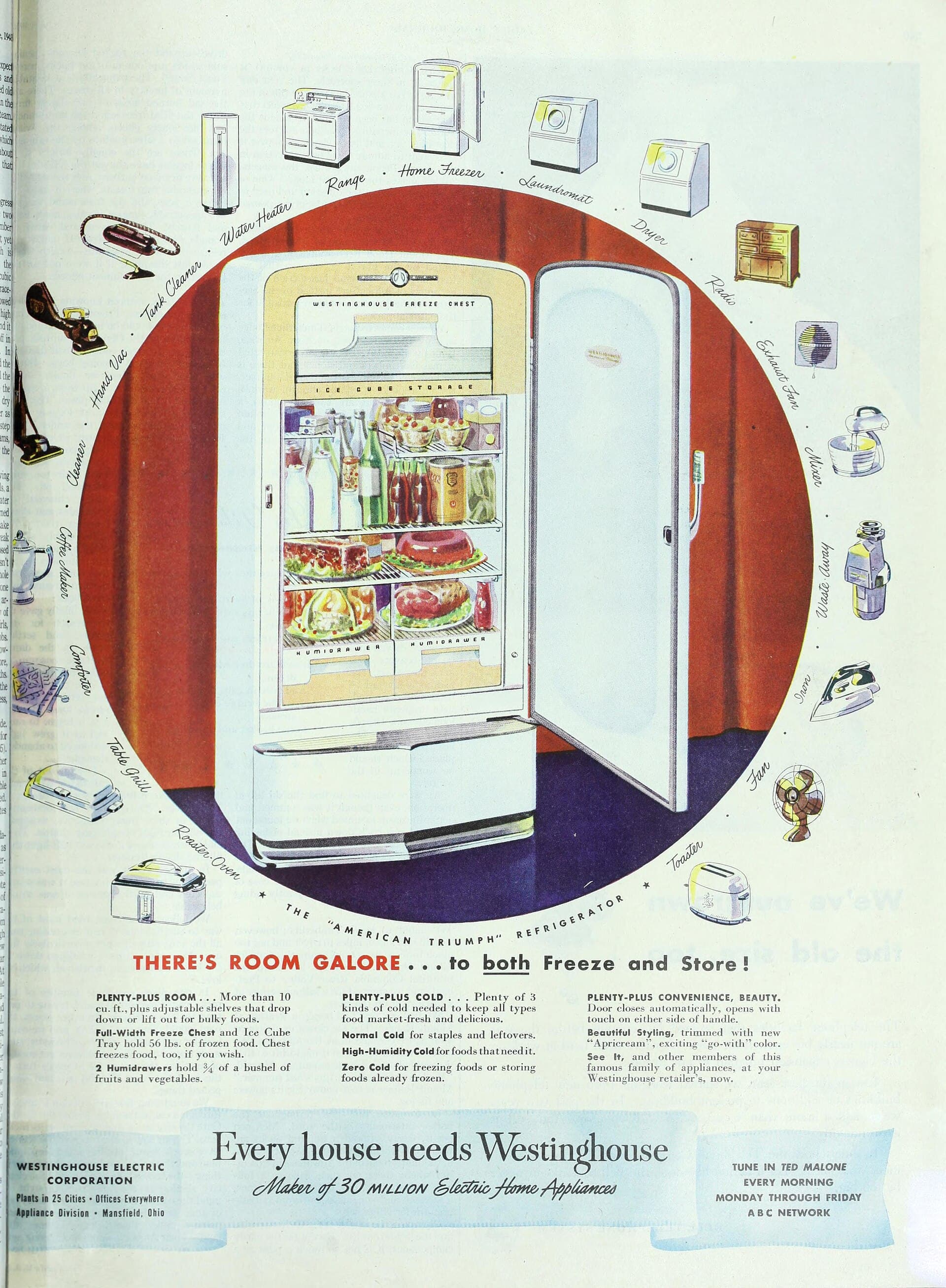
The Cheapest Meal Upgrade Is Learning to Cook What You Already Bought
A smarter kitchen starts before the grocery store and pays off all week. Using what’s already in the fridge can stretch a food budget without making meals feel like leftovers on repeat.
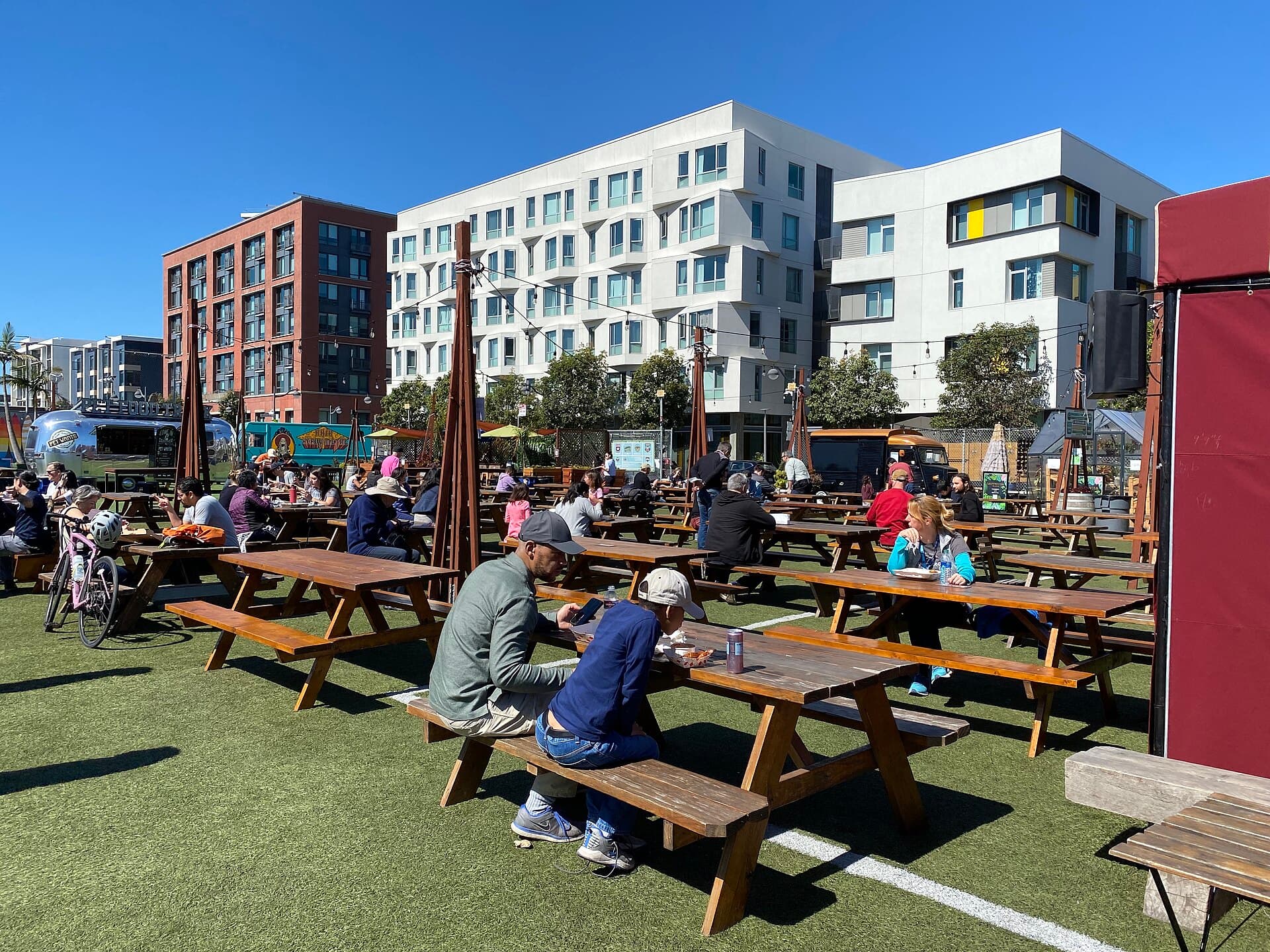
What Diners Should Look For Before Making a Food Truck Park a Regular Stop
When a food truck park becomes the center of online complaints, it’s a reminder that diners should pay attention to more than just the menu photos. A great food stop needs consistency, transparency, and a setup that works for both customers and vendors.