When Grocery Help Shrinks, the Cheapest Meal Is Planning Ahead
As food budgets get tighter, the most useful kitchen habit may be building meals around what you already have. Small shifts in shopping and cooking can stretch groceries further without pretending the problem is just personal discipline.
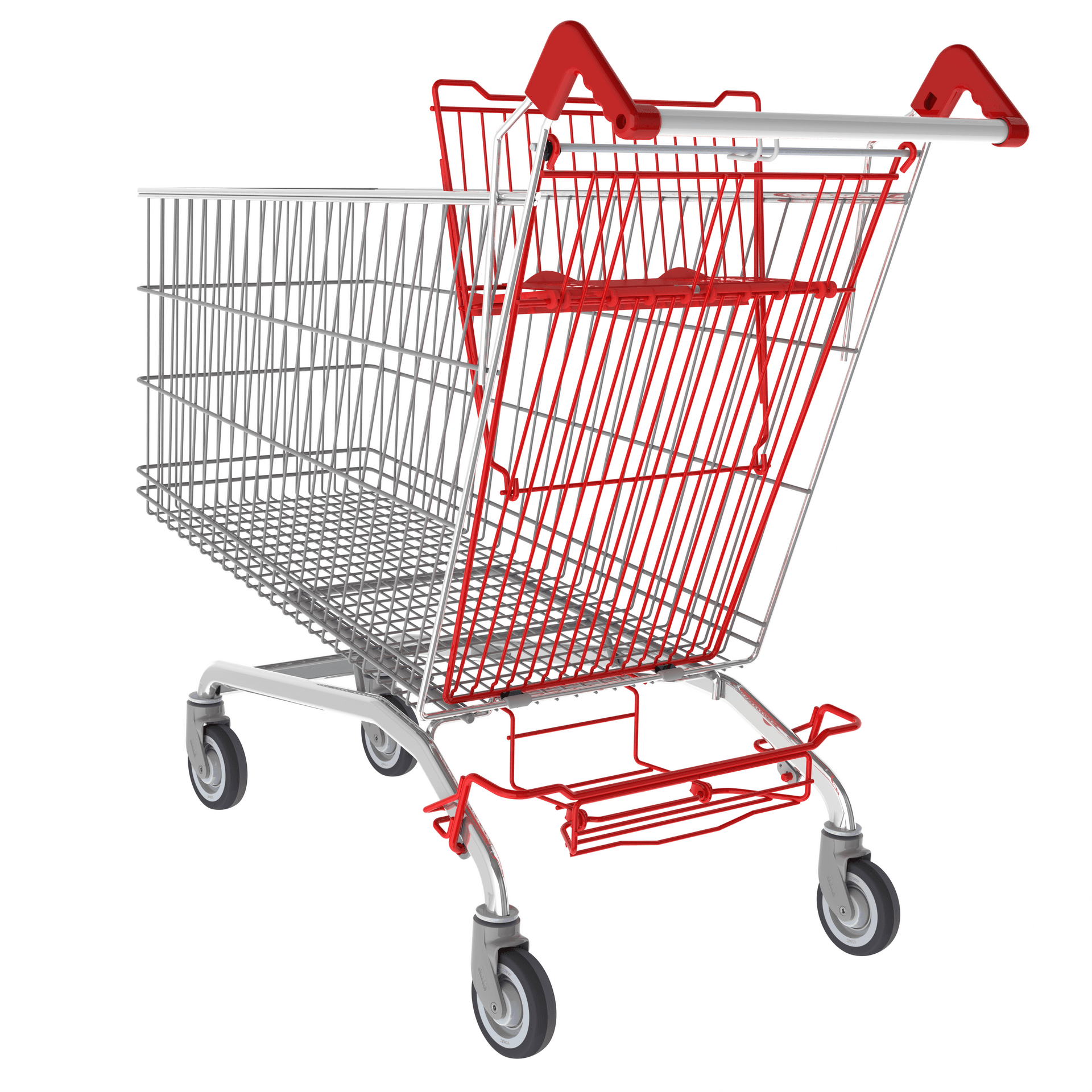
When food assistance gets harder to count on, the pressure lands fast in ordinary kitchens. It shows up in skipped snacks, thinner pantry shelves, and the quiet math families do in the grocery aisle when basics suddenly feel negotiable. There is a real policy story here, but there is also a daily-life story: when budgets tighten, the difference between getting through the week and falling short often comes down to how flexible your meals can be.
The most practical response is not a trendy budget recipe challenge or a lecture about cooking from scratch. It is building a short rotation of meals that can absorb substitutions without falling apart. Rice bowls, pasta, soups, eggs, beans, baked potatoes, oatmeal, quesadillas, and stir-fries are useful not because they are glamorous, but because they let you use what is already in the fridge. A bag of carrots, half an onion, a can of tomatoes, a little cheese, leftover chicken, or frozen vegetables can all still become dinner if the meal structure is forgiving.
Shopping changes matter too. A plan built around ingredients instead of exact recipes usually wastes less food, especially when produce prices jump or store specials are unpredictable. Buying one fruit you know will get eaten, one vegetable that lasts, one protein with more than one use, and one freezer backup can be smarter than chasing a long aspirational shopping list. The goal is not perfection or coupon-sporting heroics; it is reducing the number of groceries that expire before they become meals.
There is also a limit to how much household strategy can solve. No amount of careful meal planning fixes the fact that many working families are already stretching every dollar. But practical habits still matter because they create breathing room where they can. In a season when food costs feel unforgiving, the best deal in the kitchen may be a meal plan humble enough to survive real life.
Photo: Caddiedrusenheim via Wikimedia Commons (CC BY-SA 4.0).

Related stories
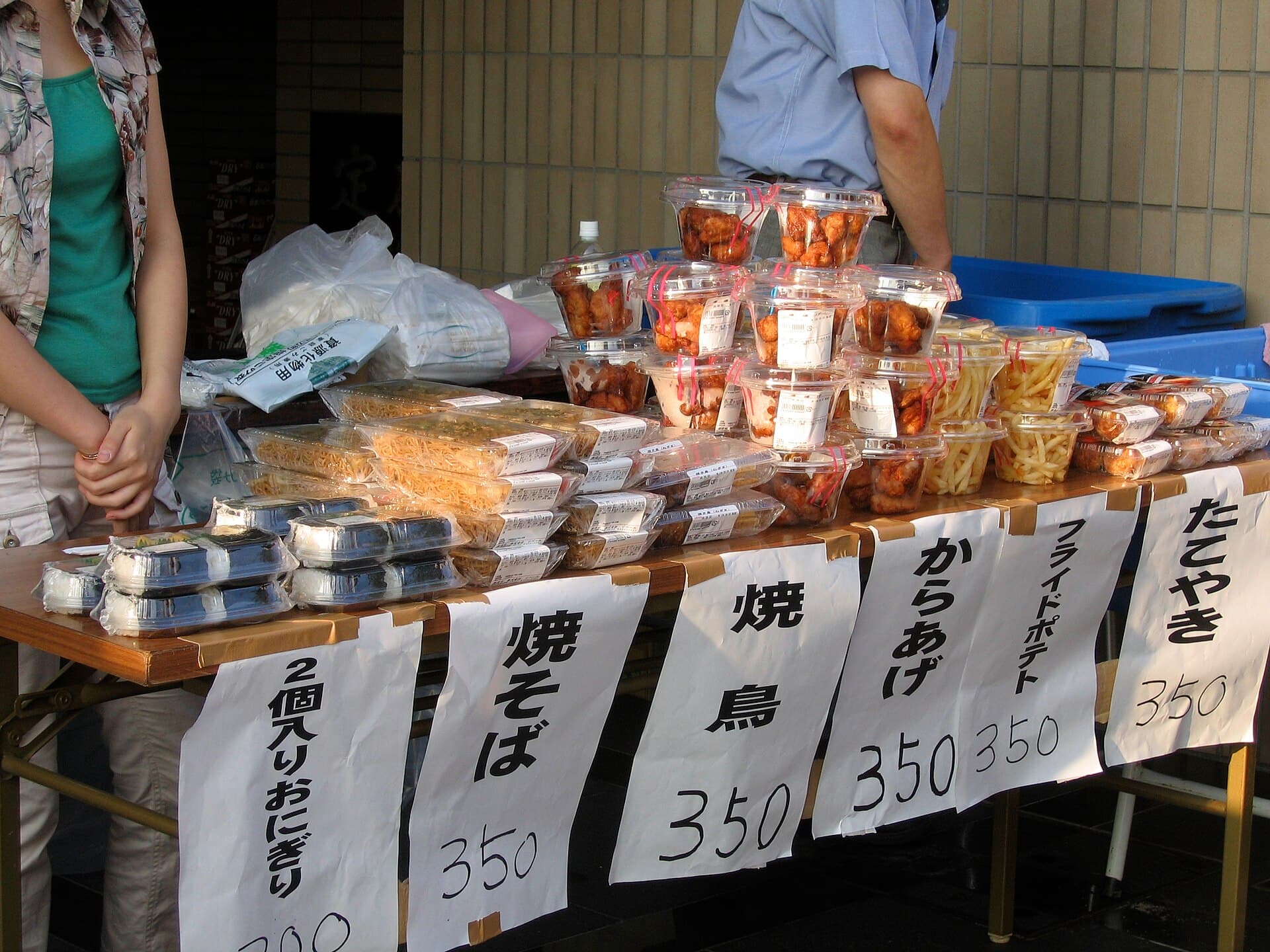
Why Neighborhood Food Festivals Are the Best Way to Try Japanese Cooking
A local Japanese food festival can be a smarter introduction than a pricey restaurant reservation. The best part is the chance to try a wider range of dishes, flavors, and community traditions in one afternoon.
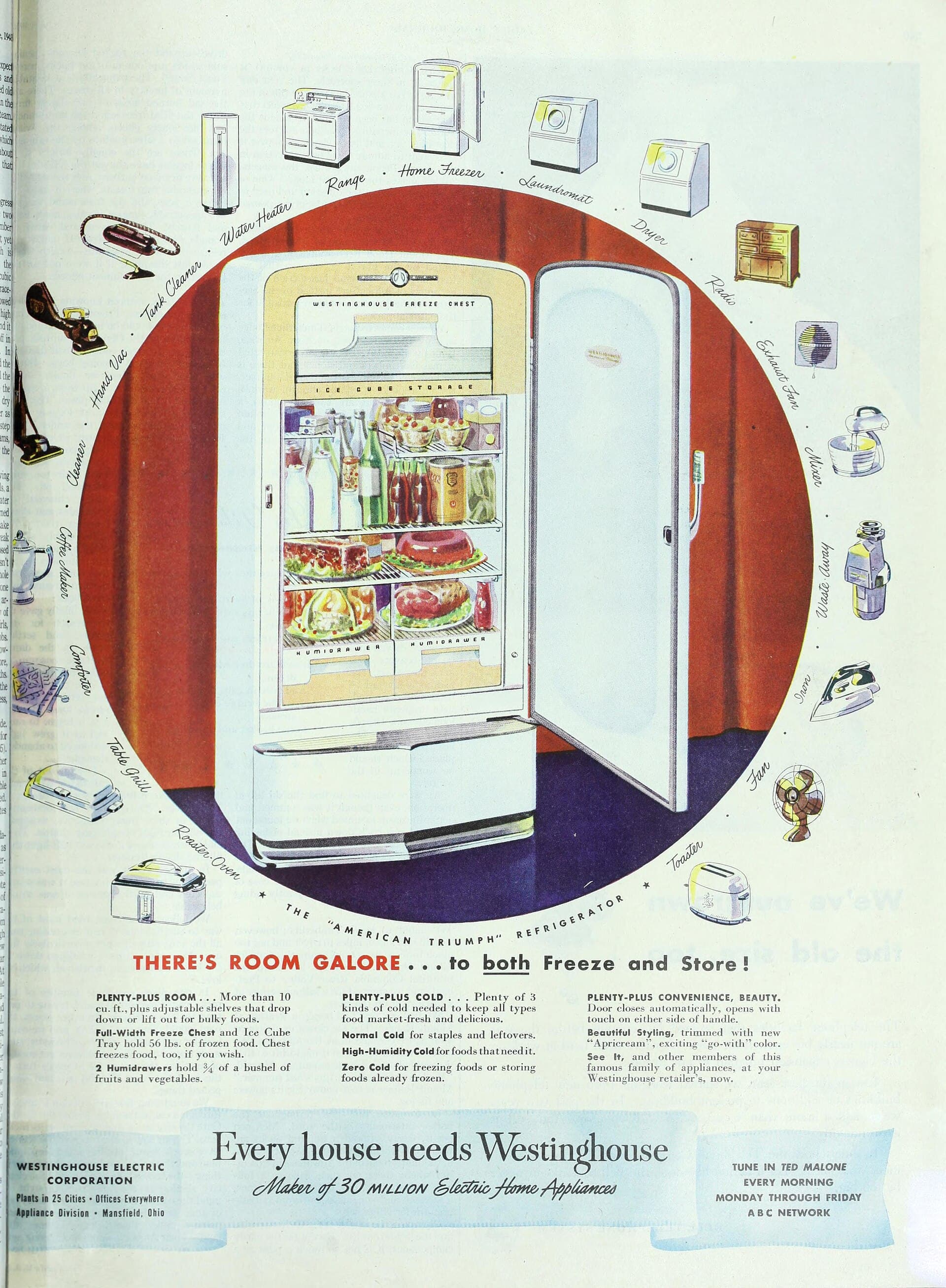
The Cheapest Meal Upgrade Is Learning to Cook What You Already Bought
A smarter kitchen starts before the grocery store and pays off all week. Using what’s already in the fridge can stretch a food budget without making meals feel like leftovers on repeat.

What Diners Should Look For Before Making a Food Truck Park a Regular Stop
When a food truck park becomes the center of online complaints, it’s a reminder that diners should pay attention to more than just the menu photos. A great food stop needs consistency, transparency, and a setup that works for both customers and vendors.