When Grocery Shopping Becomes a Risk Calculation
For many shoppers, the weekly grocery run now comes with two kinds of stress: what costs too much and what feels safe to bring home. The practical response is less about panic and more about buying with a tighter, more deliberate routine.
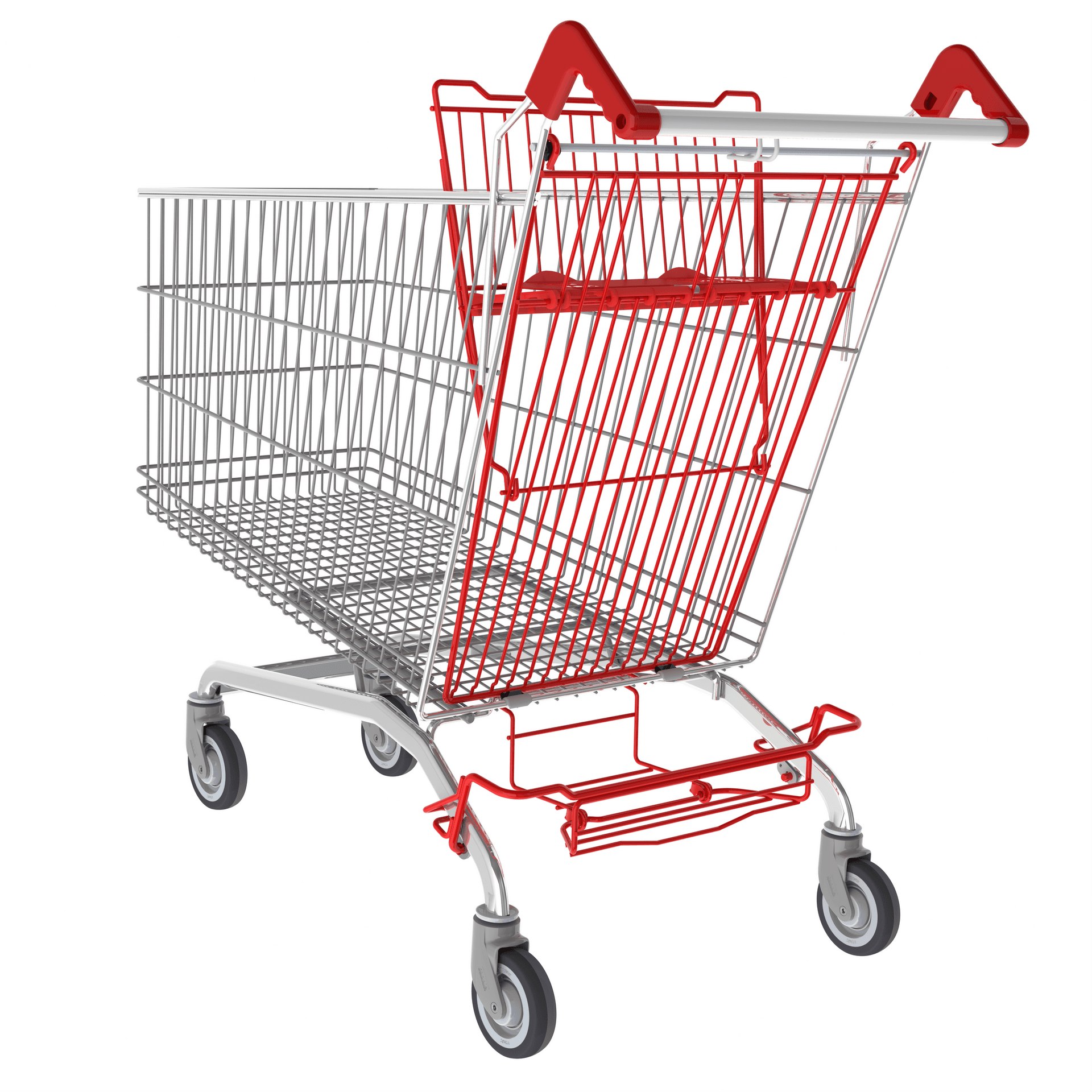
The weekly grocery trip used to be a mostly predictable math problem: compare brands, check sales, and decide what could wait until next week. Now it can feel like a second calculation is layered on top of the first. Shoppers are not just asking what fits the budget, but which items feel worth the uncertainty when recalls, supply hiccups, and quality worries seem to hit familiar staples more often.
paragraphs like this can push people toward expensive habits if they are not careful. It is easy to start treating every packaged item like a gamble and every premium label like insurance. But higher prices do not automatically buy peace of mind, and budget shopping does not have to mean careless shopping. A calmer approach is to keep a shorter list, buy quantities you can realistically use quickly, and stay flexible enough to swap ingredients when one category suddenly feels overpriced or questionable.
This is also a moment when the boring parts of shopping start to matter again. Looking at dates, checking packaging, storing food properly, and paying attention to retailer notices are not glamorous habits, but they do help. So does resisting the urge to stockpile unless you know your household will actually rotate through what you buy. Waste is its own hidden markup, especially when groceries are already expensive.
There is a broader frustration underneath all of this: Americans are being asked to spend more while feeling less certain about what ends up in the cart. That is not just annoying, it changes how people cook, host, and even think about convenience. The smartest response is not perfection. It is building a grocery routine that protects your wallet, cuts down on waste, and leaves enough room to pivot when the aisle suddenly feels unreliable.
Photo: Caddiedrusenheim via Wikimedia Commons (CC BY-SA 4.0).

Related stories
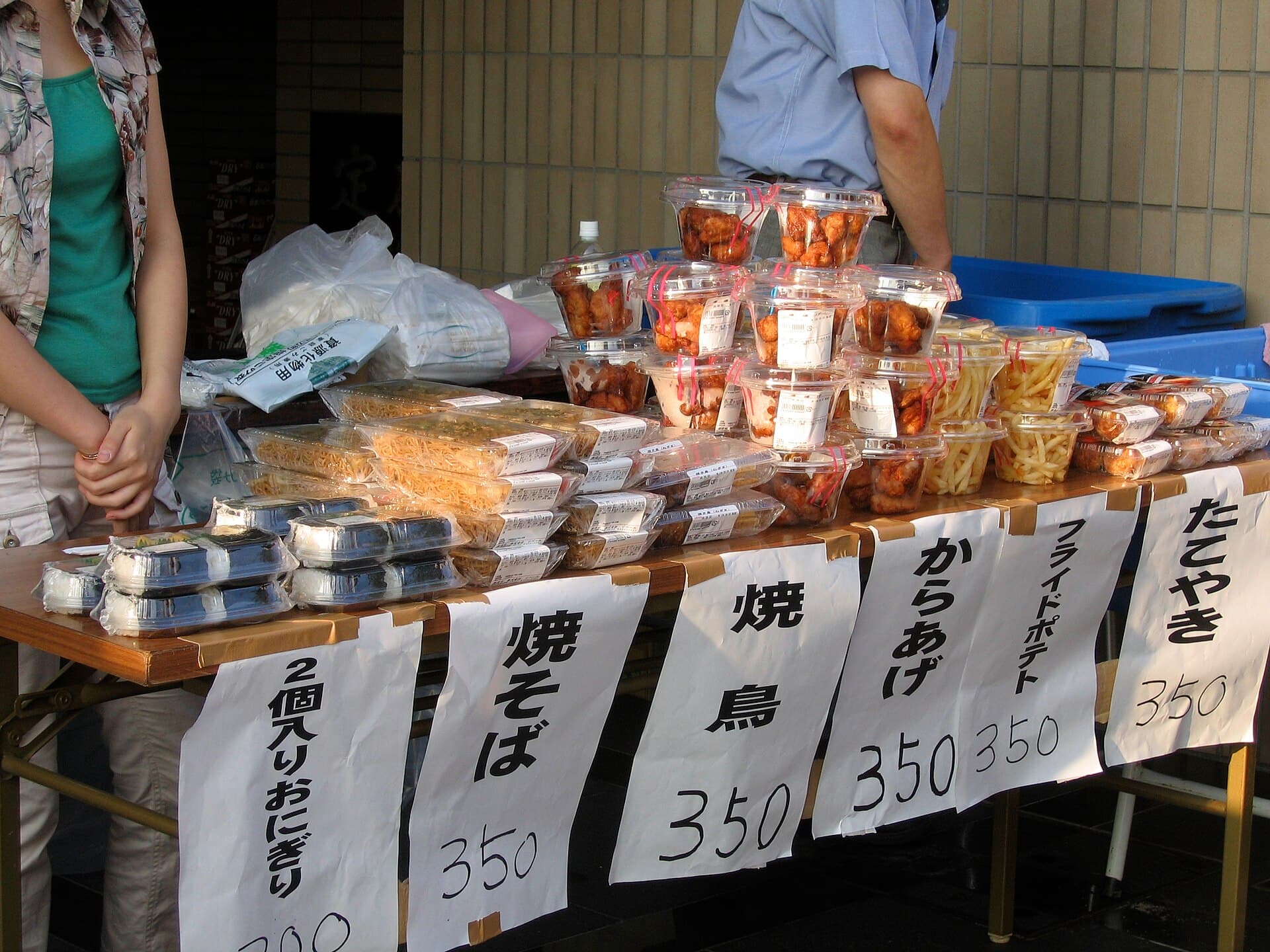
Why Neighborhood Food Festivals Are the Best Way to Try Japanese Cooking
A local Japanese food festival can be a smarter introduction than a pricey restaurant reservation. The best part is the chance to try a wider range of dishes, flavors, and community traditions in one afternoon.
The Cheapest Meal Upgrade Is Learning to Cook What You Already Bought
A smarter kitchen starts before the grocery store and pays off all week. Using what’s already in the fridge can stretch a food budget without making meals feel like leftovers on repeat.

What Diners Should Look For Before Making a Food Truck Park a Regular Stop
When a food truck park becomes the center of online complaints, it’s a reminder that diners should pay attention to more than just the menu photos. A great food stop needs consistency, transparency, and a setup that works for both customers and vendors.