When Grocery Stretching Becomes a Family Skill
When food budgets tighten, the most useful kitchen habits are the boring ones: planning meals, using the freezer, and shopping with a purpose. Families shouldn’t have to treat basic nourishment like a puzzle, but practical routines can still ease the pressure.
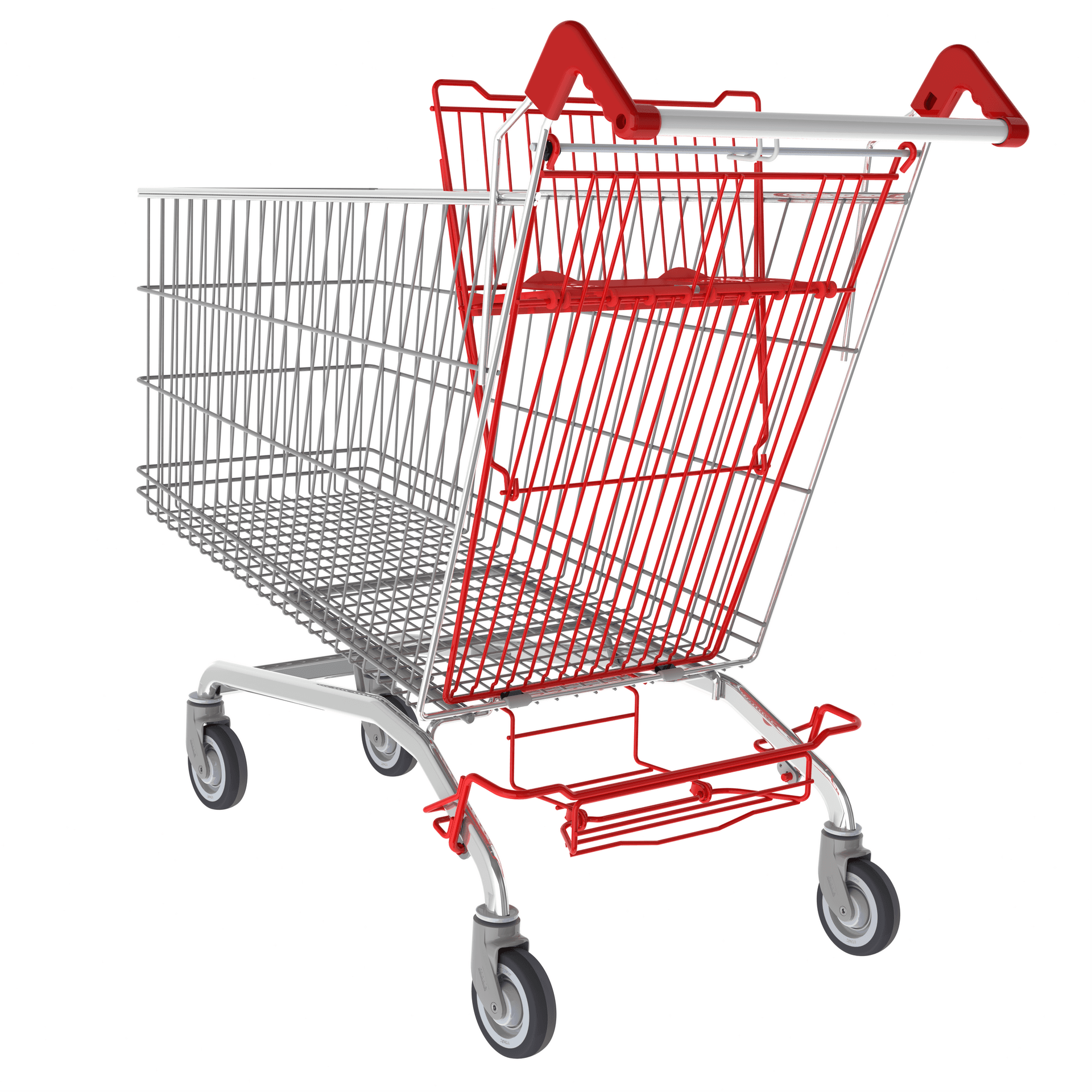
A rise in child hunger is the kind of headline that should make any grocery receipt feel political. For a lot of families, food stress does not look dramatic from the outside; it looks like watered-down juice, skipped snacks, and parents doing quiet math in the cereal aisle. The real problem is not a lack of budgeting tips. It is that ordinary food has become hard to afford consistently.
In moments like this, the most helpful kitchen advice is rarely trendy. A short meal plan, a repeat rotation of low-waste dinners, and a freezer stocked with basics can do more for a household than another expensive “healthy hack.” Pasta, rice, beans, eggs, oats, frozen vegetables, peanut butter, and store-brand yogurt are not glamorous, but they are dependable building blocks when every trip to the store has to count.
It also helps to stop shopping for imaginary future energy. Many families buy with good intentions, then lose produce or deli items to a busy week. A realistic cart is often the better deal: fewer fragile ingredients, more foods that can turn into lunches, and at least one dinner everyone will actually eat. There is no virtue in buying aspirational groceries that end up in the trash.
Still, we should be honest about the bigger picture. No family should need expert-level strategy just to keep kids fed. Until food becomes more reliably affordable, practical habits matter because they protect households from waste and last-minute takeout, not because they solve the underlying problem. Stretching a grocery budget is a useful skill, but it should not have to feel like a survival skill.
Photo: Caddiedrusenheim via Wikimedia Commons (CC BY-SA 4.0).

Related stories
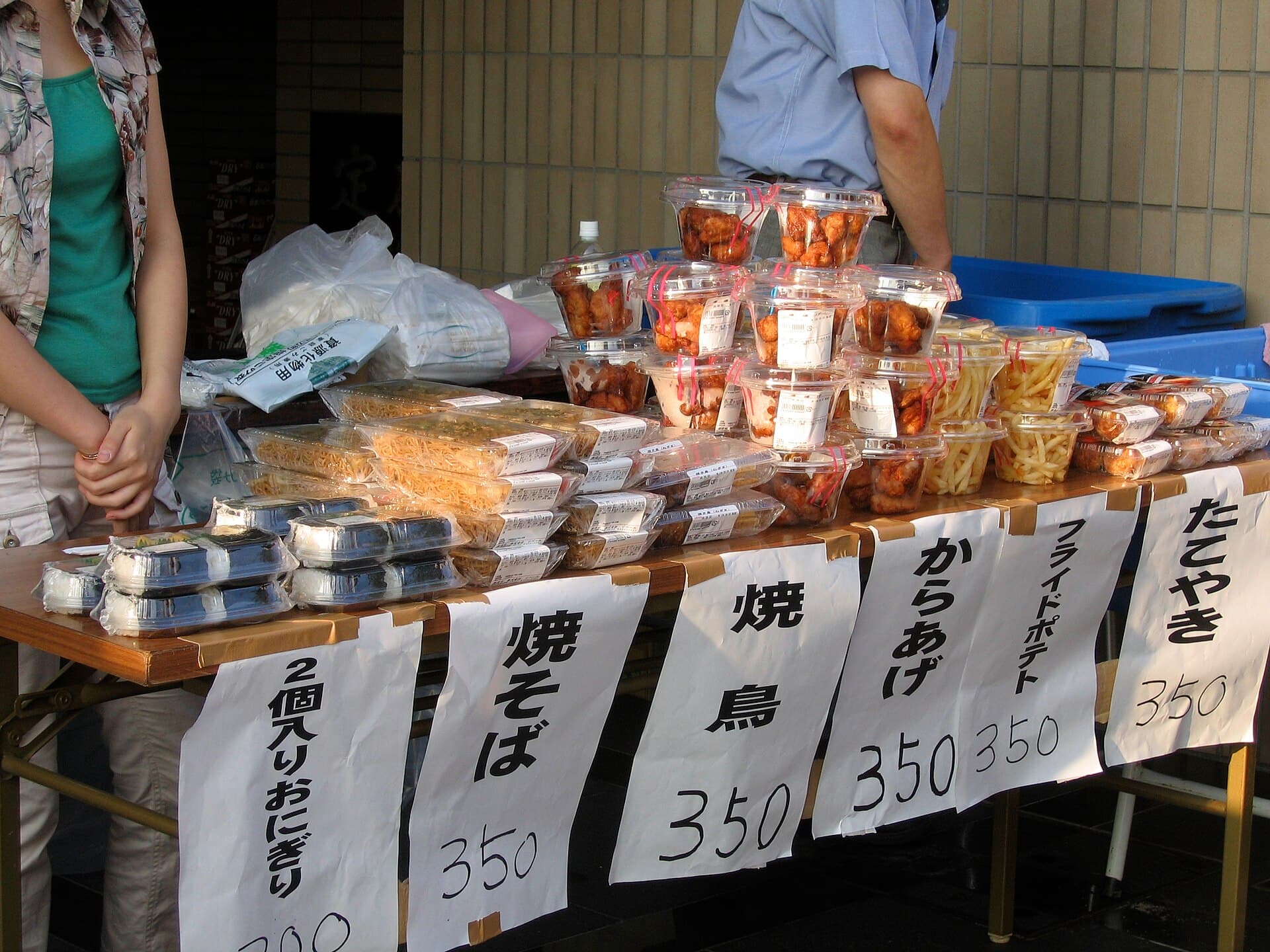
Why Neighborhood Food Festivals Are the Best Way to Try Japanese Cooking
A local Japanese food festival can be a smarter introduction than a pricey restaurant reservation. The best part is the chance to try a wider range of dishes, flavors, and community traditions in one afternoon.
The Cheapest Meal Upgrade Is Learning to Cook What You Already Bought
A smarter kitchen starts before the grocery store and pays off all week. Using what’s already in the fridge can stretch a food budget without making meals feel like leftovers on repeat.

What Diners Should Look For Before Making a Food Truck Park a Regular Stop
When a food truck park becomes the center of online complaints, it’s a reminder that diners should pay attention to more than just the menu photos. A great food stop needs consistency, transparency, and a setup that works for both customers and vendors.