When Hospitality Turns Into Pressure at the Dinner Table
Food is supposed to make guests feel welcome, not trapped. A little more respect around second helpings, diets, and polite refusals would make gatherings better for everyone.
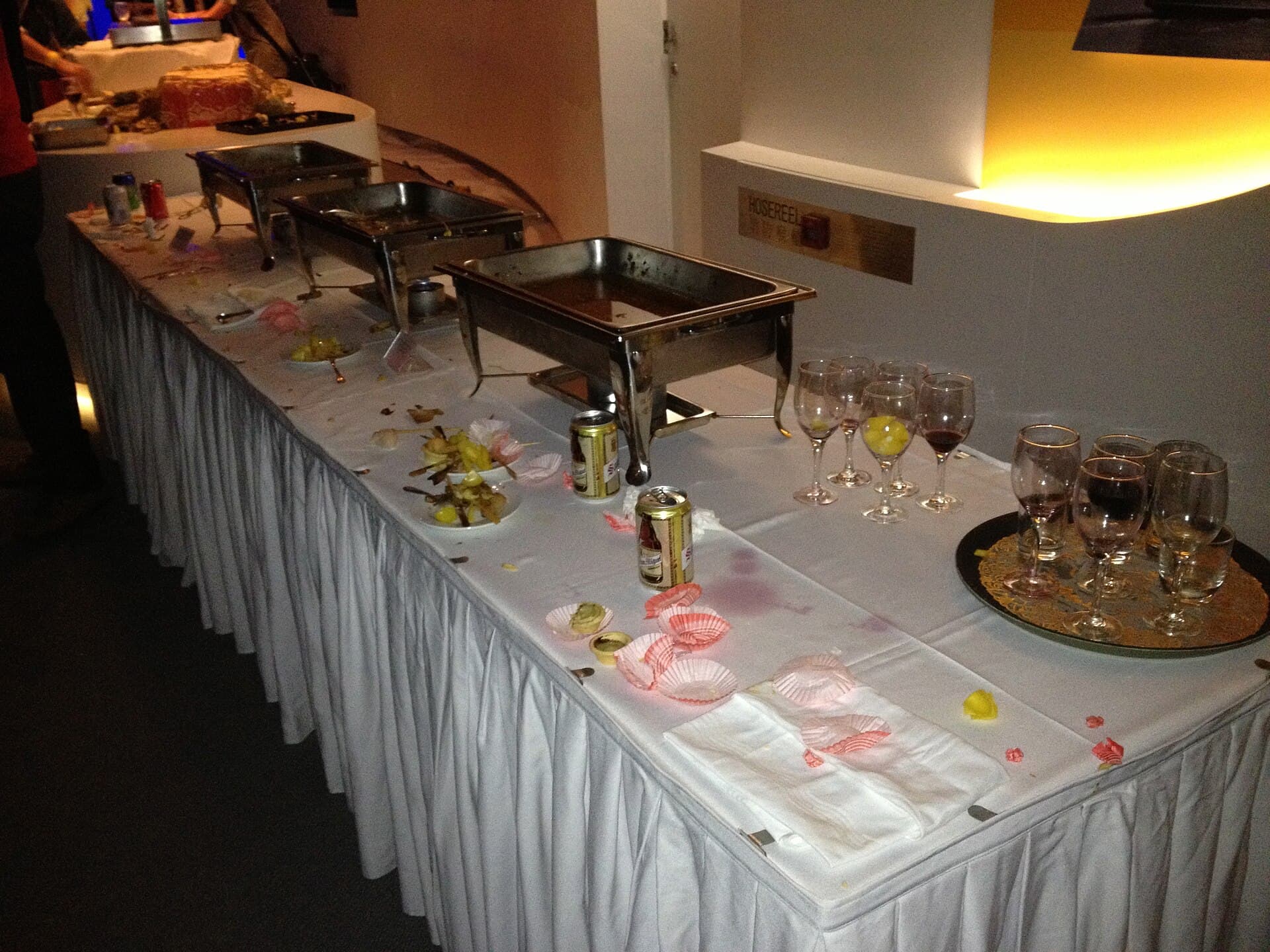
There’s a big difference between generous hosting and treating a guest’s plate like a group project. In plenty of American homes, urging people to eat more is framed as warmth, but it can quickly slide into something else: public pressure, teasing, and the assumption that everyone owes an explanation for what they do or don’t want. That’s not old-school hospitality. It’s control dressed up as kindness.
People skip dishes for all kinds of reasons that are nobody else’s business. Some are managing allergies, chronic illness, medication, grief, recovery, religious rules, or a complicated relationship with food. Others just aren’t hungry. The point is that “No thanks” should be enough at a cookout, holiday table, office potluck, or backyard birthday. Guests should not have to choose between protecting their peace and protecting the host’s feelings.
The most considerate food culture is one that offers generously once, maybe twice, and then moves on without commentary. No speeches about how little someone ate, no campaigns for dessert, no recruiting the whole table to persuade one person to take a bite. If food is really about connection, then the social goal should be making people comfortable enough to stay, not so cornered that they start scanning for the exit.
This is one of those small etiquette fixes that would improve gatherings immediately. Hosts can still be proud of what they made, and guests can still express appreciation, without turning every refusal into a negotiation. A relaxed table is a better table, and the best sign of successful hospitality isn’t an empty serving dish — it’s that everyone felt safe being there.
Photo: Stephan Schulz via Wikimedia Commons (CC BY-SA 3.0).

Related stories
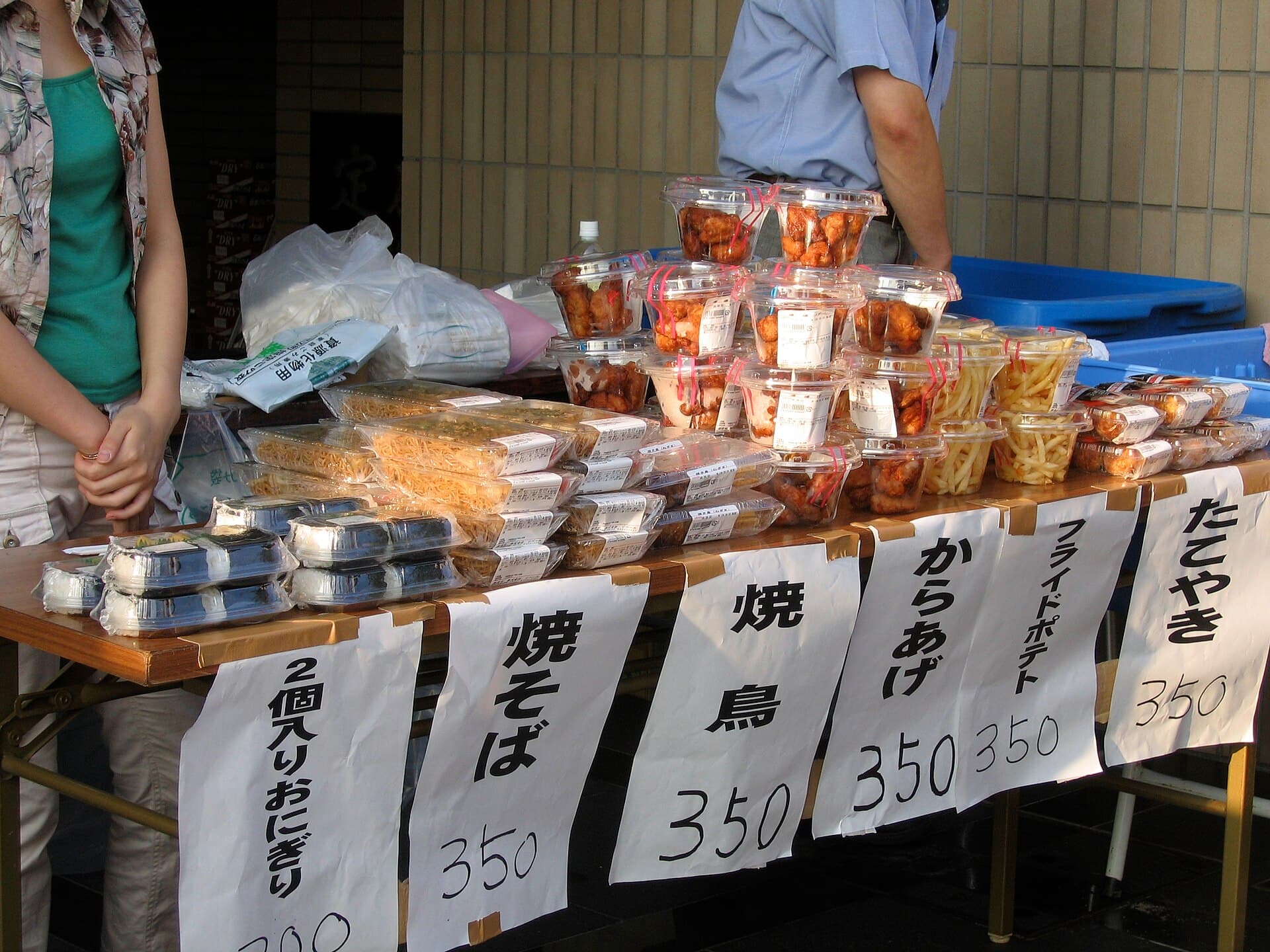
Why Neighborhood Food Festivals Are the Best Way to Try Japanese Cooking
A local Japanese food festival can be a smarter introduction than a pricey restaurant reservation. The best part is the chance to try a wider range of dishes, flavors, and community traditions in one afternoon.
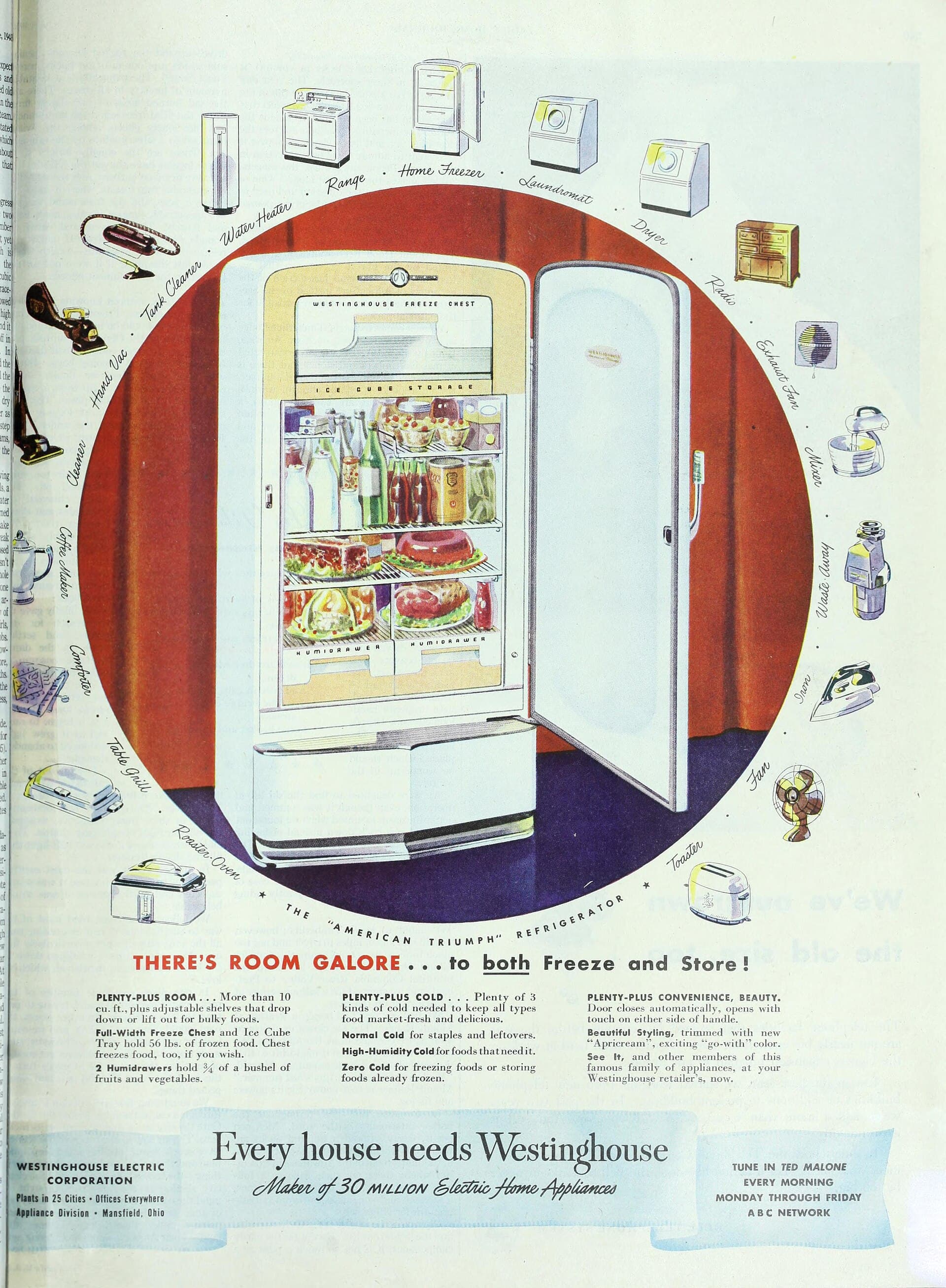
The Cheapest Meal Upgrade Is Learning to Cook What You Already Bought
A smarter kitchen starts before the grocery store and pays off all week. Using what’s already in the fridge can stretch a food budget without making meals feel like leftovers on repeat.
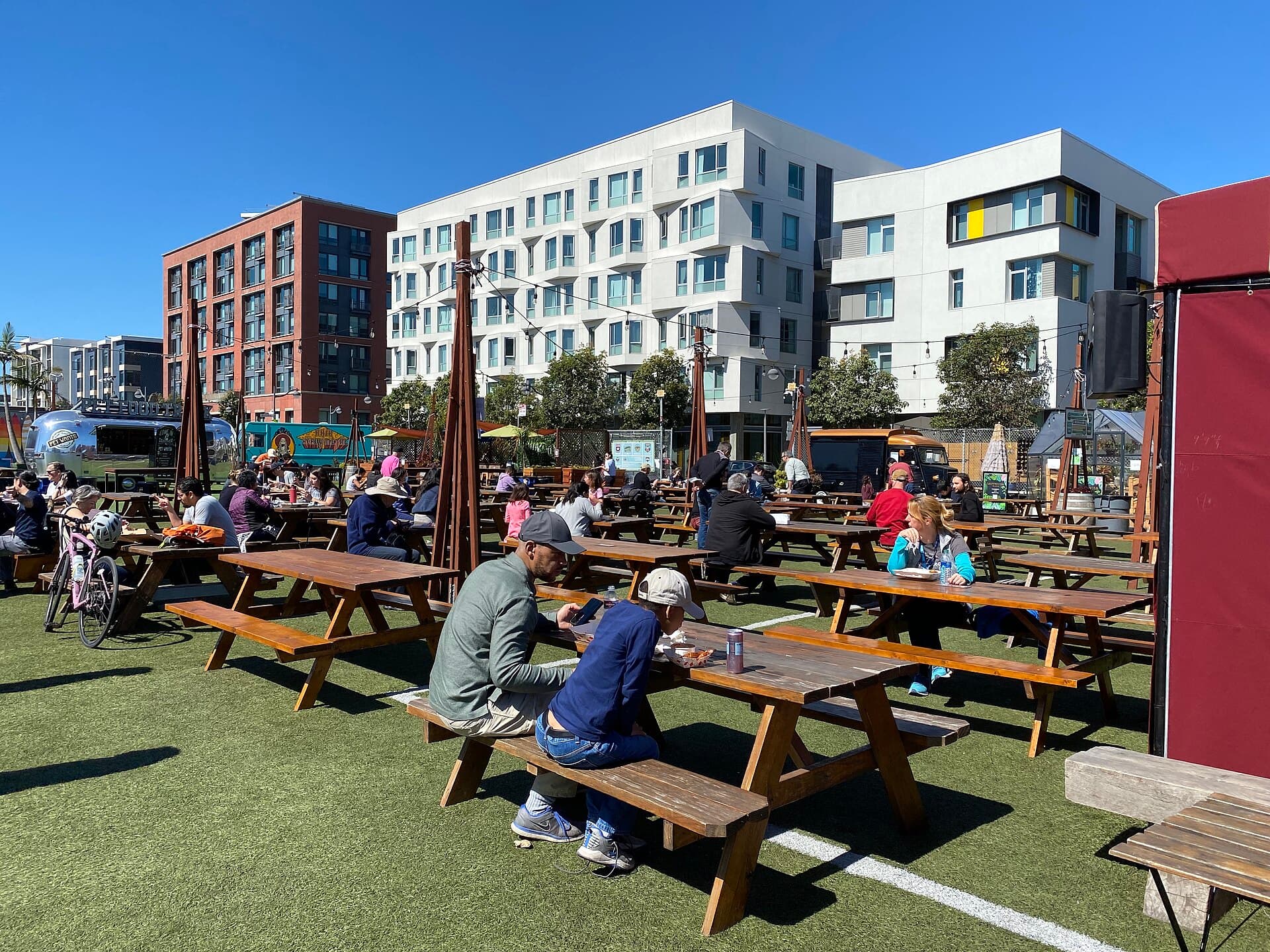
What Diners Should Look For Before Making a Food Truck Park a Regular Stop
When a food truck park becomes the center of online complaints, it’s a reminder that diners should pay attention to more than just the menu photos. A great food stop needs consistency, transparency, and a setup that works for both customers and vendors.