When Size Runs Out, Shoppers Notice First
If extended sizes quietly disappear, it is not just a fashion story. It is a retail trust issue for shoppers who already know that finding a good fit takes extra time, money, and patience.
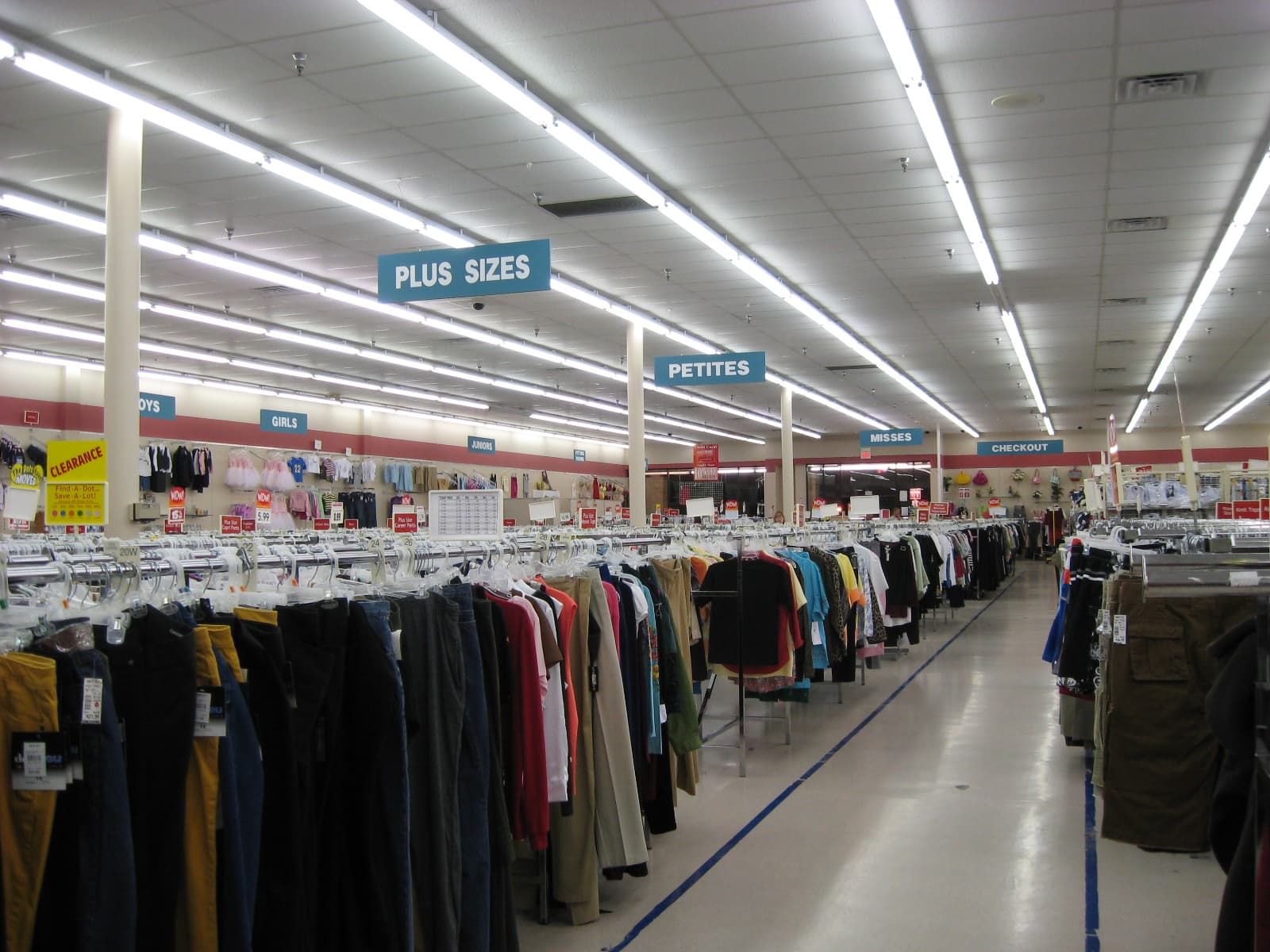
Nothing makes a shopper feel less welcome than realizing a brand still wants the sale, just not in their size. When extended sizing shrinks or vanishes, the problem is bigger than trend forecasting. For many Americans, it turns a basic errand into a scavenger hunt across tabs, stores, and return labels.
There is also a practical money angle here. People who wear sizes that are harder to find often cannot impulse-buy the best markdowns, because the right fit is gone first or never stocked at all. That means fewer choices, more shipping gambles, and more energy spent settling for something that is merely available instead of something that actually works.
Brands like to talk about flexibility and meeting customers where they are, but consistency matters more than slogans. If a company offers a size range one season and pulls back the next, shoppers remember. In apparel, reliability is part of the product. A store that cannot be counted on for fit loses its place in the weekly rotation, no matter how polished the marketing looks.
For shoppers, the smartest response is to treat dependable sizing like any other value signal: worth tracking, worth rewarding, and worth sharing. The labels that keep a real range in stock, online and in stores, are doing more than selling clothes. They are saving customers time, reducing return fatigue, and proving that inclusivity is not a limited-time capsule collection.
Photo: Ente75 via Wikimedia Commons (Public domain).

Related stories

The Best Trend in Fashion Right Now Is Looking Unbothered
The most wearable runway idea this season isn’t a single item—it’s the return of clothes that look lived in, easy, and ready for an actual day. For shoppers, that means buying less fantasy and more pieces that earn repeat wear.
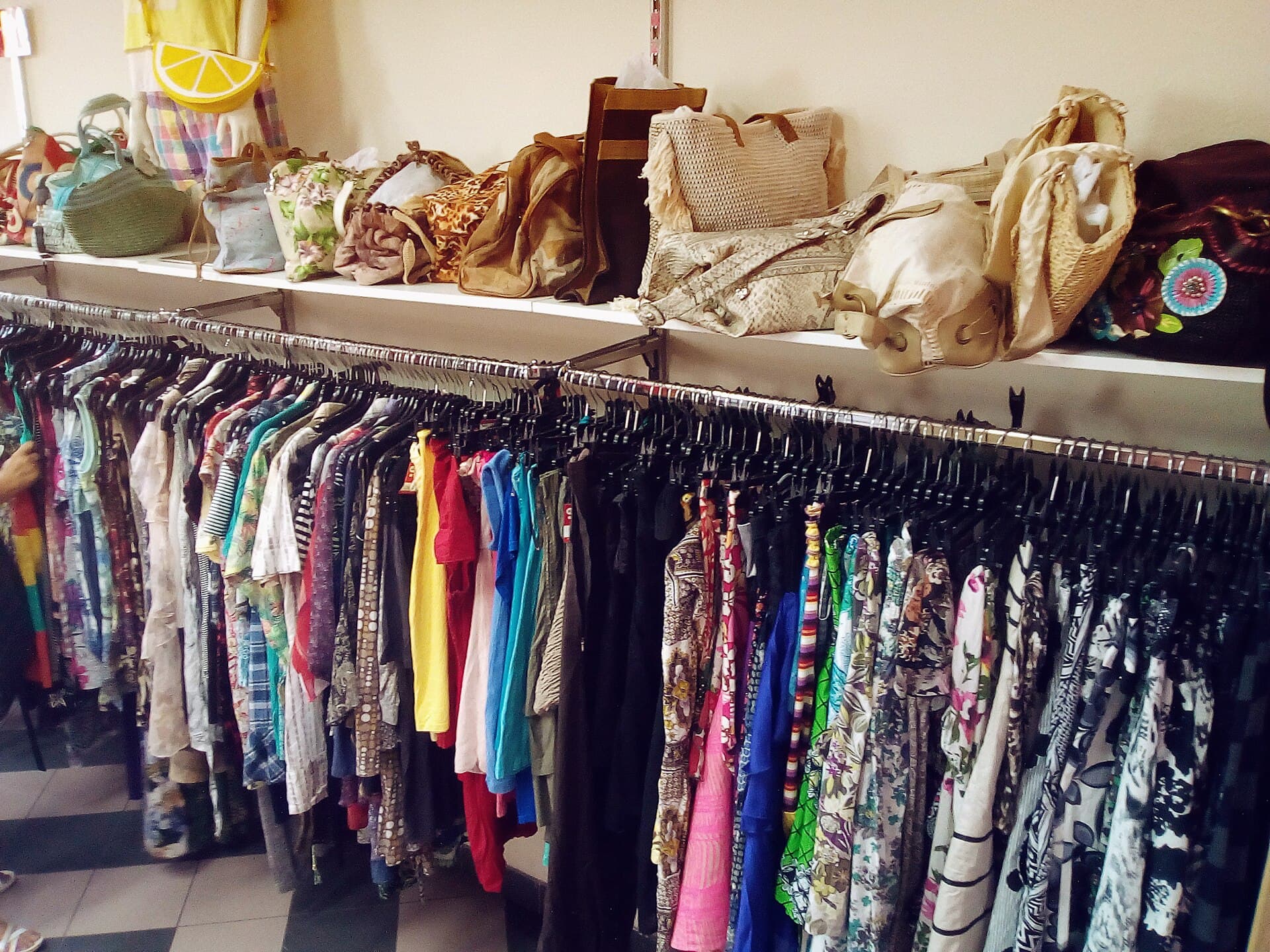
The Best Closet Upgrade Might Be Someone Else’s Return Pile
For shoppers tired of flimsy trends and constant micro-hauls, thrift stores offer a slower, smarter way to buy clothes. The real appeal isn’t just saving money—it’s finding pieces that actually deserve closet space.

Why Independent Fashion Labels Need Community More Than Hype
Big fashion headlines can distract from the fragile reality of independent labels. For shoppers, the most meaningful support often looks less like chasing trends and more like showing up for small brands consistently.