When TV Wardrobes Become Shopping Lists
Costumes are no longer just part of the story—they’re part of the marketing plan. For shoppers, that means more chances to buy the look, but also more reason to slow down and decide what actually fits real life.
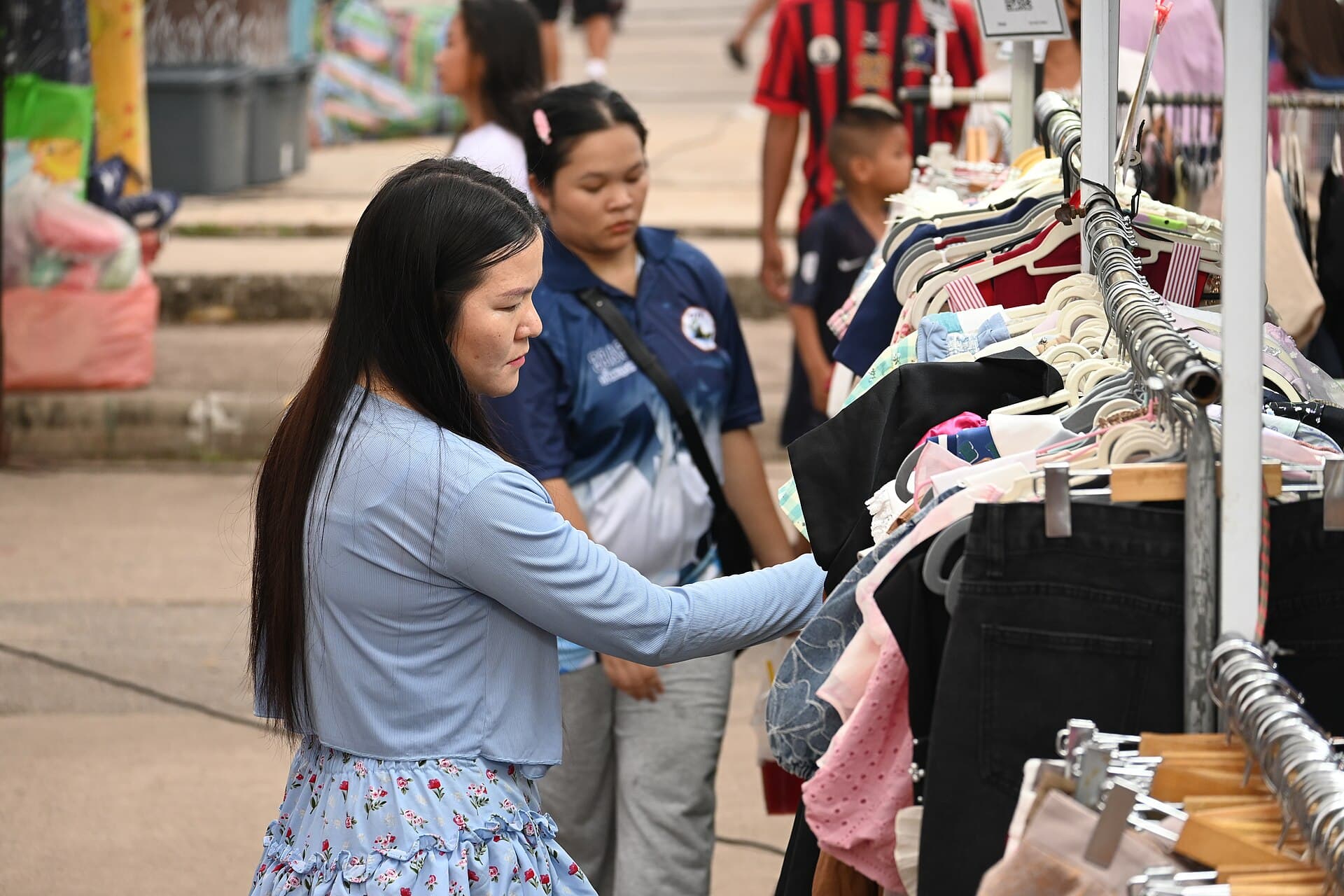
A good screen wardrobe used to work mostly in the background, helping define a character without immediately sending viewers to a checkout page. Now the gap between costume design and retail is getting smaller, and it shows. When a dress, jacket, or pair of boots pops on screen, there’s a decent chance a brand helped put it there—or is ready to sell a very similar version before the credits even roll.
That shift isn’t automatically a bad thing. For shoppers, it can make fashion feel more accessible because the inspiration is easier to trace. Instead of vaguely liking a character’s style, you can figure out the silhouette, color palette, or label behind it. The problem is that this setup can flatten personal style into fast reaction shopping, where the goal becomes buying the exact look instead of understanding why it worked in the first place.
The smarter move is to treat costume-driven trends as a styling prompt, not a shopping command. If a show makes tailored coats, soft knits, or vintage denim look appealing, start by looking in your own closet for a similar shape or mood. If you do buy something new, focus on pieces that can survive the trend cycle: a well-cut blazer, practical loafers, a slip skirt you can wear three ways, or a bag that doesn’t depend on one viral moment.
Fashion brands will keep chasing the visibility that comes from a breakout show or movie, because it turns storytelling into merchandising almost instantly. But viewers don’t have to play along at full speed. The best takeaway from screen style isn’t owning the costume—it’s learning how to borrow the attitude, skip the hype, and dress in a way that still makes sense when the next obsession arrives.
Photo: Pattaya Patrol from Pattaya via Wikimedia Commons (CC BY-SA 4.0).

Related stories
The Best Trend in Fashion Right Now Is Looking Unbothered
The most wearable runway idea this season isn’t a single item—it’s the return of clothes that look lived in, easy, and ready for an actual day. For shoppers, that means buying less fantasy and more pieces that earn repeat wear.
The Best Closet Upgrade Might Be Someone Else’s Return Pile
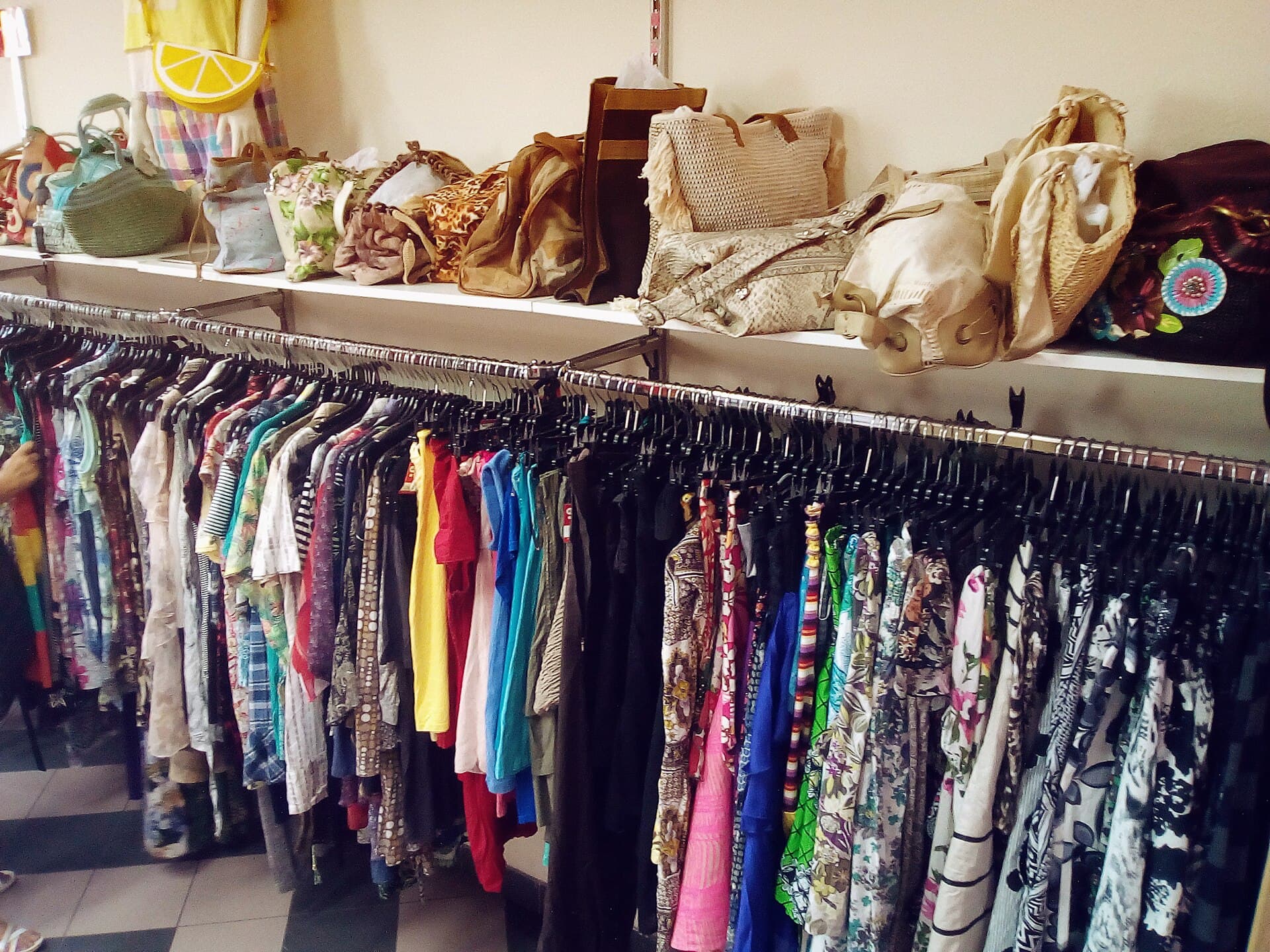
For shoppers tired of flimsy trends and constant micro-hauls, thrift stores offer a slower, smarter way to buy clothes. The real appeal isn’t just saving money—it’s finding pieces that actually deserve closet space.
Why Independent Fashion Labels Need Community More Than Hype
Big fashion headlines can distract from the fragile reality of independent labels. For shoppers, the most meaningful support often looks less like chasing trends and more like showing up for small brands consistently.