Why a Neighborhood Filipino Spot Can Change How a City Eats
When a Filipino restaurant expands into a new neighborhood, it does more than add another dinner option. It gives more diners a reason to build weeknight habits around comforting dishes that have long deserved a bigger place in the local rotation.
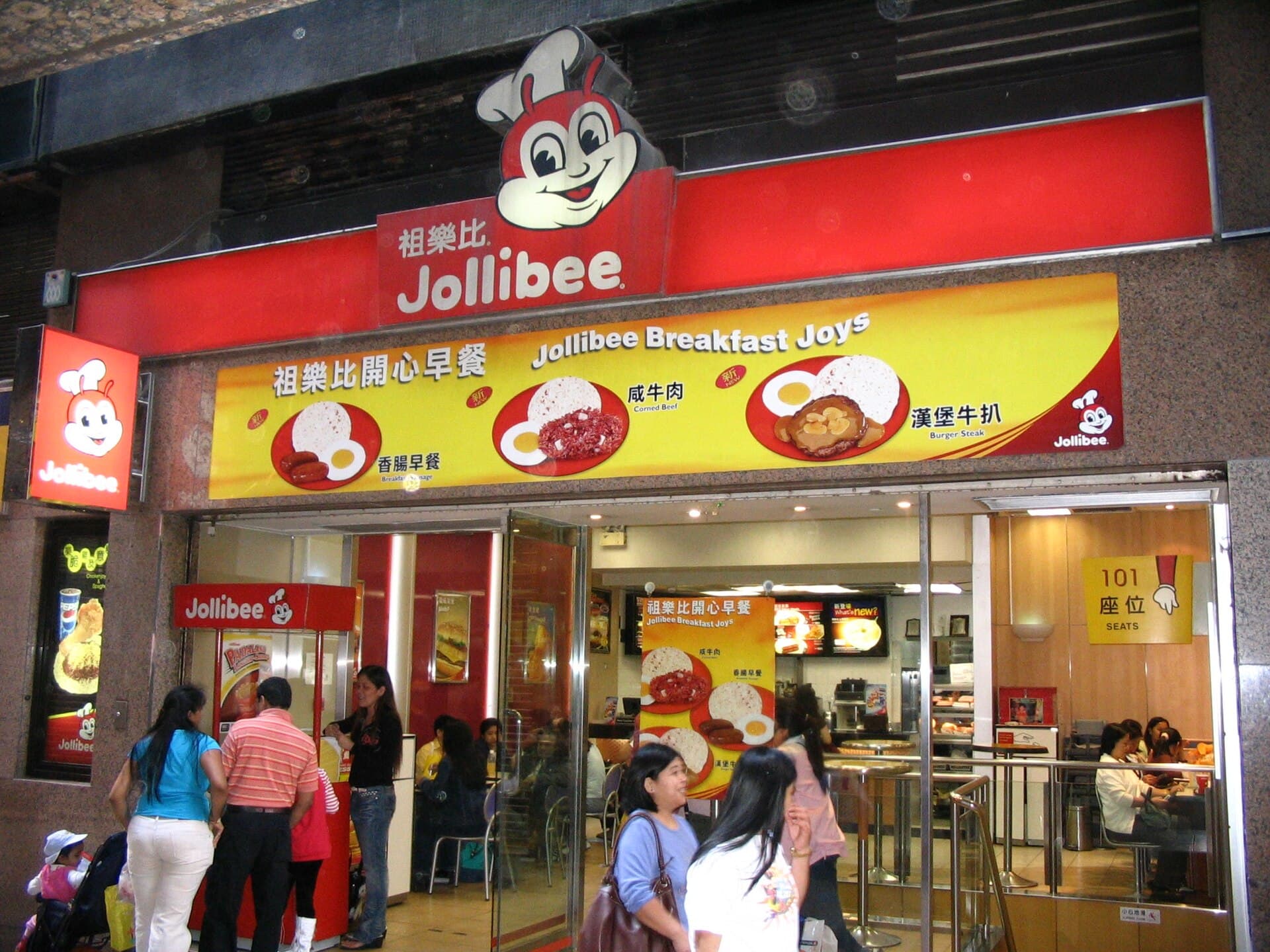
A second location for a Filipino restaurant is the kind of food news that matters beyond one address. It usually signals that a cuisine people may have treated as an occasional destination meal is becoming part of normal neighborhood life. That shift is good for diners, because the best restaurant scenes are built on places people can return to easily, not just hype-filled special trips.
For American diners, Filipino food often lands exactly where weeknight eating is headed: deeply comforting, shareable, and full of flavors that feel familiar and surprising at the same time. Savory grilled meats, noodle dishes, crispy bites, stews, and rice-centered plates fit the way groups actually like to eat. A new outpost makes it easier for more people to stop thinking of the cuisine as something to “try someday” and start treating it as a regular answer to lunch, takeout, and casual dinners with friends.
There is also a practical side to restaurant expansion that locals should appreciate. When a growing neighborhood gains a strong, specific restaurant instead of another interchangeable all-purpose concept, the area gets a better food identity. Distinct restaurants give people a reason to leave their routines, explore a different block, and order outside the same short list they default to every week.
If you are the kind of diner who says you want more diversity in local food options, this is the moment to show up early and often. Visit for a low-stakes meal, ask what the house specialties are, and bring someone who has never had Filipino food before. The biggest value in openings like this is not novelty for novelty’s sake; it is the chance to make a richly social, deeply satisfying cuisine feel as everyday in American neighborhoods as it should have been all along.
Photo: Minghong via Wikimedia Commons (CC BY-SA 4.0).

Related stories
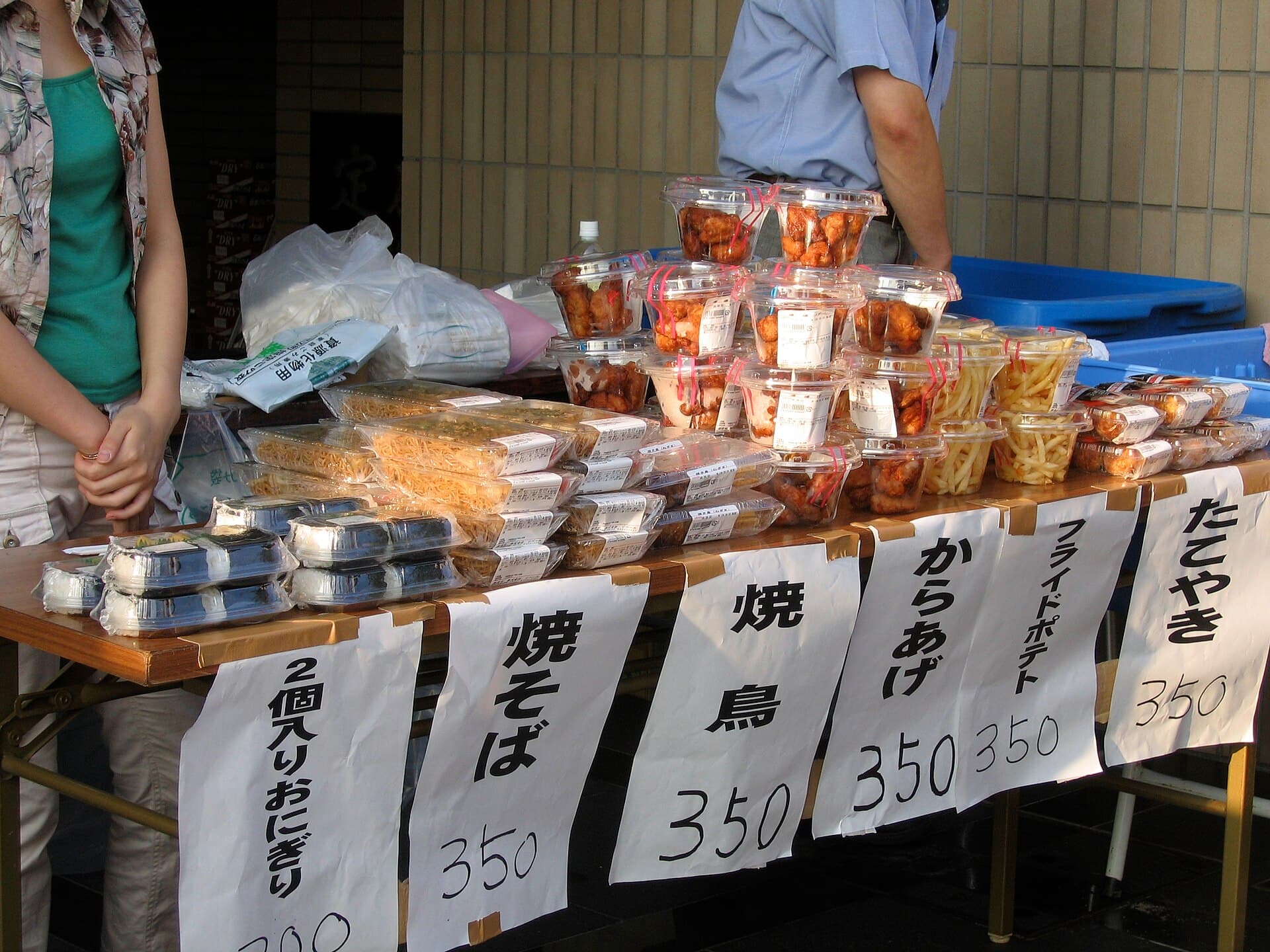
Why Neighborhood Food Festivals Are the Best Way to Try Japanese Cooking
A local Japanese food festival can be a smarter introduction than a pricey restaurant reservation. The best part is the chance to try a wider range of dishes, flavors, and community traditions in one afternoon.
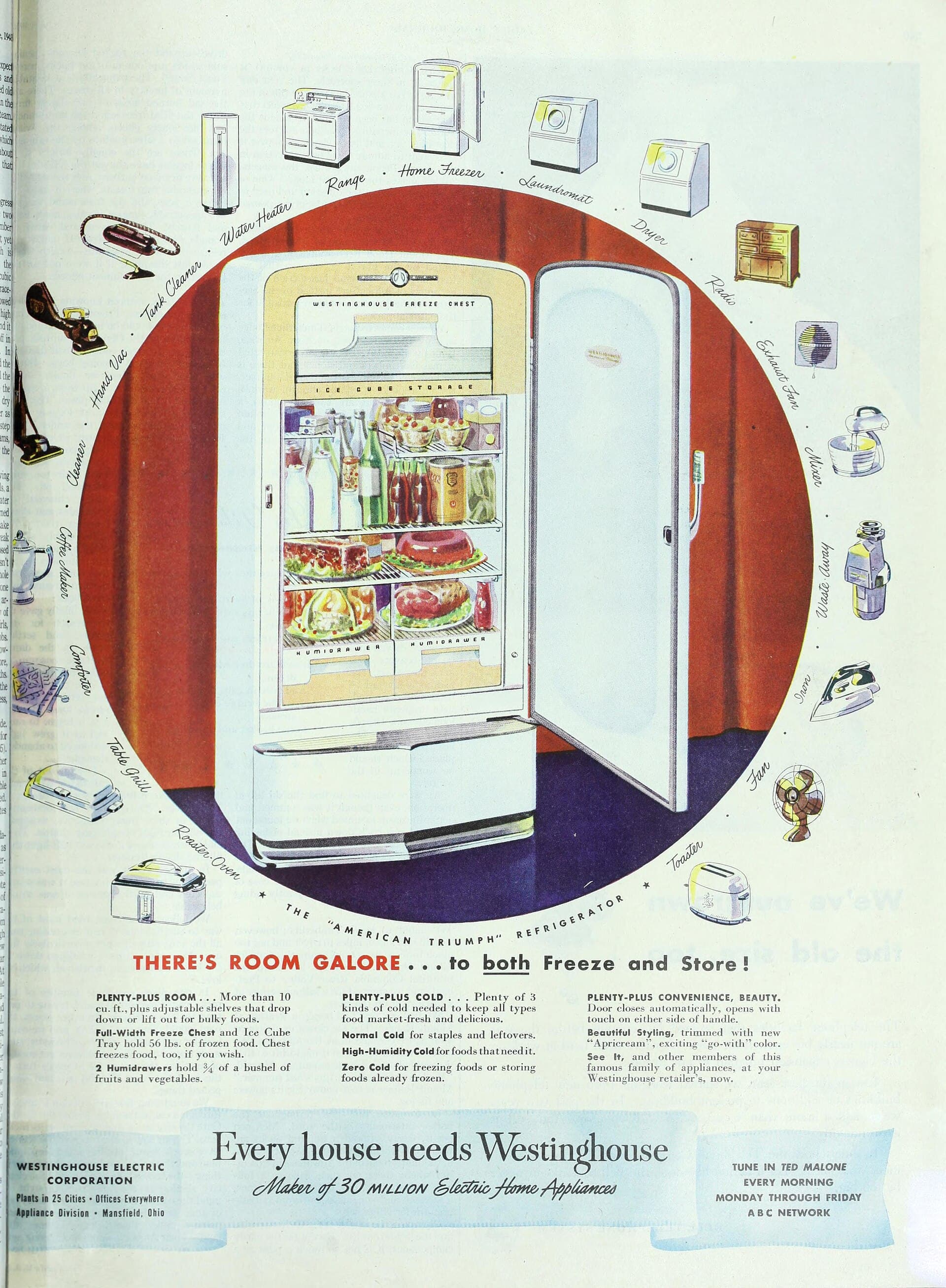
The Cheapest Meal Upgrade Is Learning to Cook What You Already Bought
A smarter kitchen starts before the grocery store and pays off all week. Using what’s already in the fridge can stretch a food budget without making meals feel like leftovers on repeat.
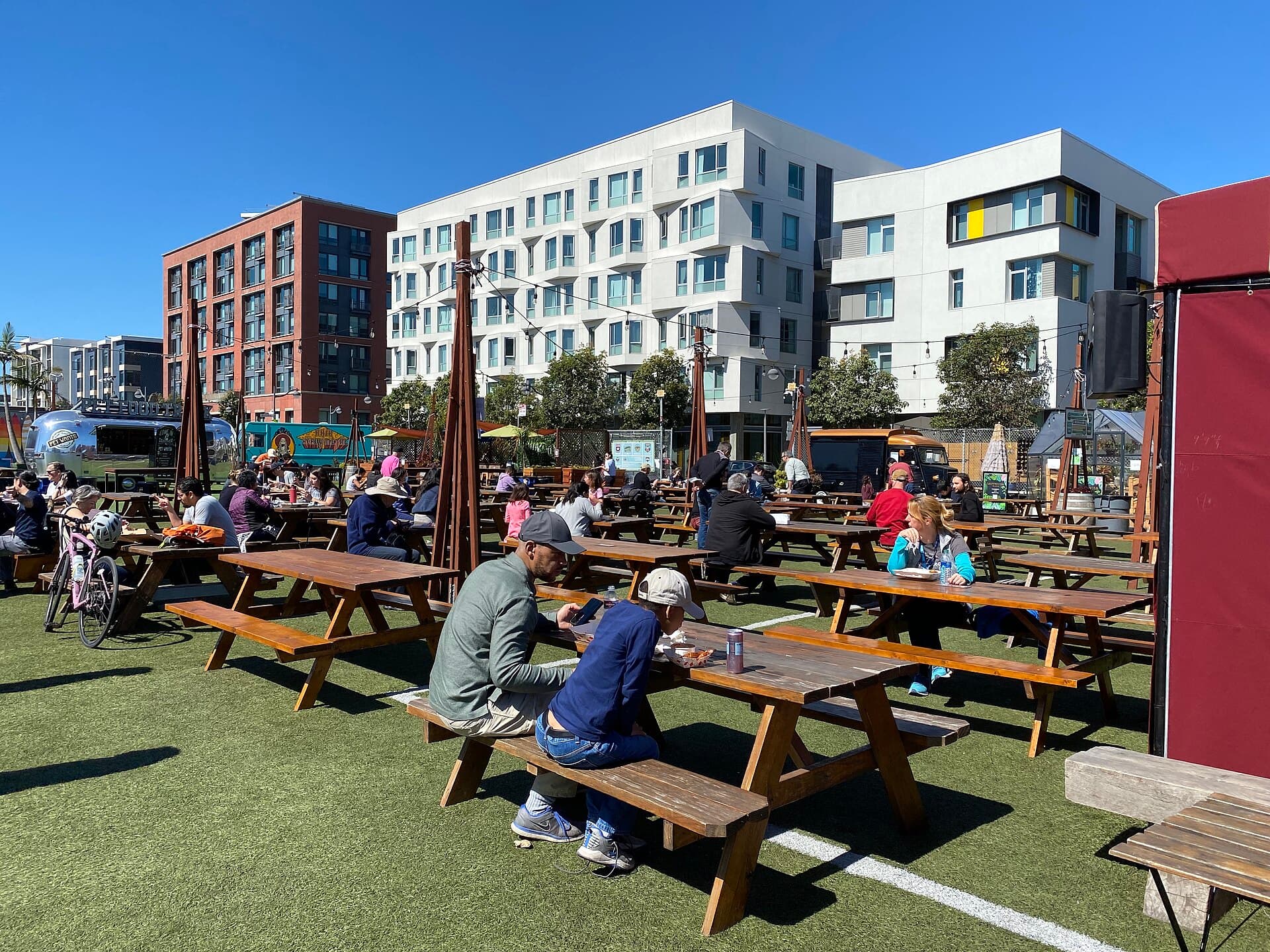
What Diners Should Look For Before Making a Food Truck Park a Regular Stop
When a food truck park becomes the center of online complaints, it’s a reminder that diners should pay attention to more than just the menu photos. A great food stop needs consistency, transparency, and a setup that works for both customers and vendors.