Why Allergy-Aware Menus Deserve a Bigger Place at the Table
For diners with uncommon food sensitivities, eating out can feel like a gamble. Restaurants that take ingredient sourcing and kitchen cross-contact seriously offer something more valuable than trendiness: trust.

Most diners think about food restrictions in the familiar categories: gluten-free, nut-free, dairy-free. But there’s a wider world of ingredient sensitivities that rarely make it onto the menu, and that gap matters. When a restaurant makes the effort to understand less common needs and prepare meals safely, it turns hospitality into something real instead of performative.
paragraphs like this also remind us that 'special request' is often the wrong frame. For some guests, asking questions about broth, fat, gelatin, or cross-contact is not pickiness or lifestyle branding; it’s basic risk management. A kitchen that can answer clearly and calmly is doing more than customer service. It’s giving people a chance to enjoy a normal night out without having to rehearse a medical explanation between appetizers and entrees.
There’s also a practical lesson here for anyone who cooks for friends, hosts holidays, or organizes community meals. Ingredient labels only tell part of the story, and safe preparation often depends on details most people overlook, from shared cutting boards to hidden animal-based additives. You do not need a fancy setup to be considerate, but you do need to take the question seriously and avoid treating accommodations like a burden.
As food culture gets more personalized, the smartest restaurants will be the ones that build trust one careful plate at a time. Not every kitchen can promise to meet every medical need, and honesty about limits is part of doing it well. But places that learn, label clearly, and respect the stakes are offering one of the most underrated luxuries in dining today: peace of mind.
Photo: Alpha from Melbourne, Australia via Wikimedia Commons (CC BY-SA 2.0).

Related stories
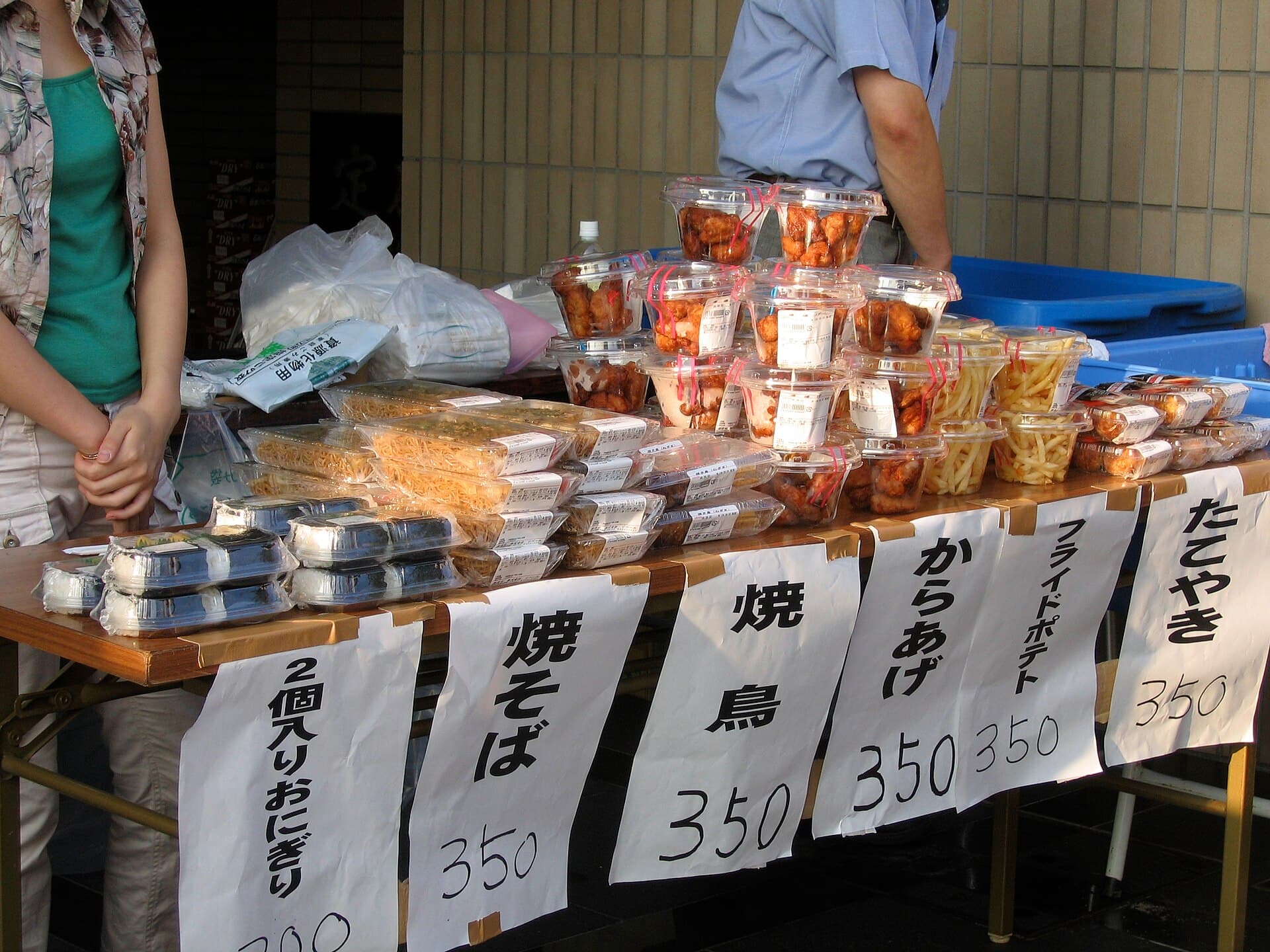
Why Neighborhood Food Festivals Are the Best Way to Try Japanese Cooking
A local Japanese food festival can be a smarter introduction than a pricey restaurant reservation. The best part is the chance to try a wider range of dishes, flavors, and community traditions in one afternoon.
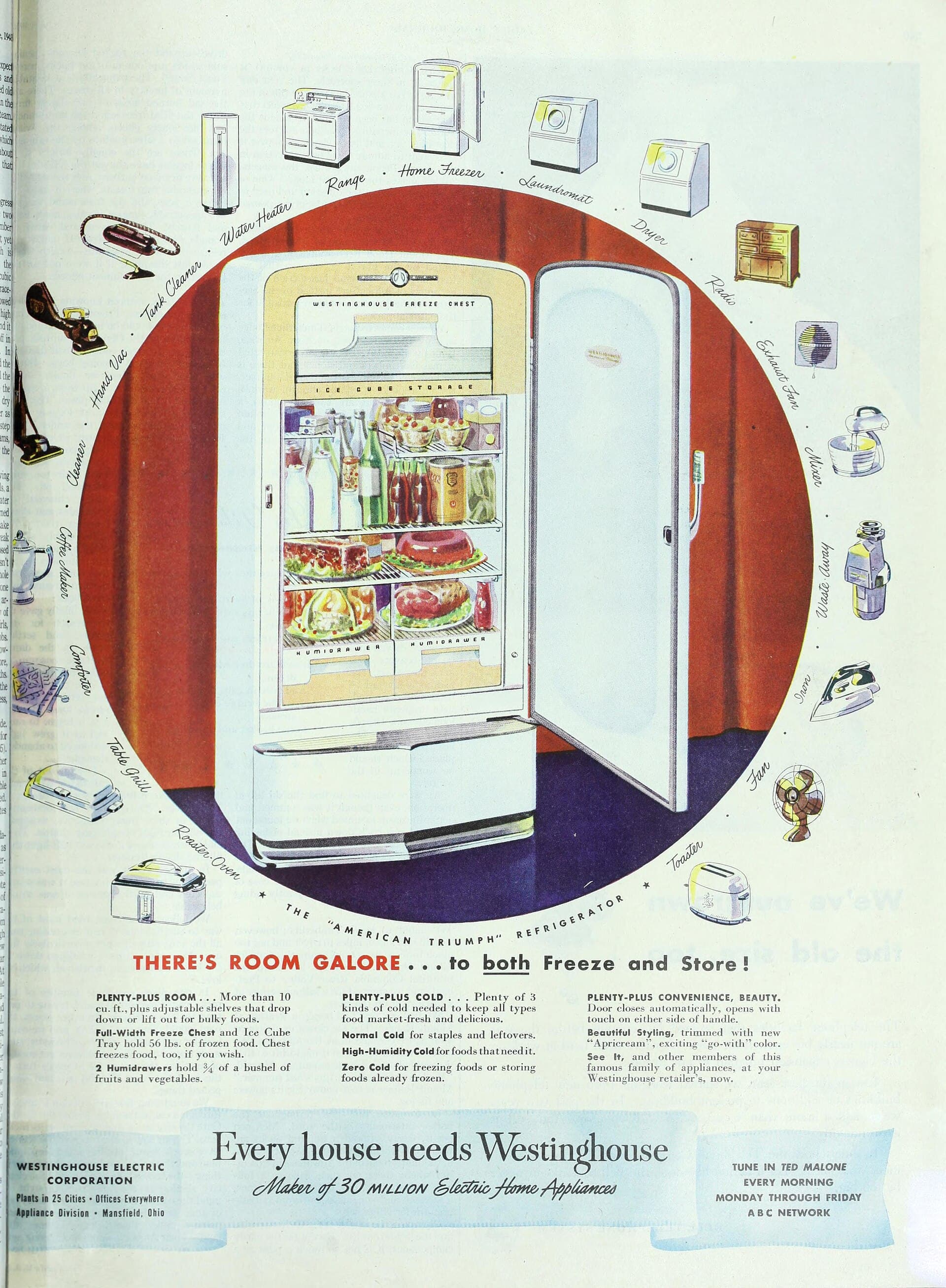
The Cheapest Meal Upgrade Is Learning to Cook What You Already Bought
A smarter kitchen starts before the grocery store and pays off all week. Using what’s already in the fridge can stretch a food budget without making meals feel like leftovers on repeat.

What Diners Should Look For Before Making a Food Truck Park a Regular Stop
When a food truck park becomes the center of online complaints, it’s a reminder that diners should pay attention to more than just the menu photos. A great food stop needs consistency, transparency, and a setup that works for both customers and vendors.