Why Campus Dining Changes Matter More Than the Menu
When a college updates who runs its food program, students usually care less about the contract and more about whether lunch gets easier, faster, and worth the money. The real test is whether dining halls can deliver reliable basics while making campus life feel less transactional.
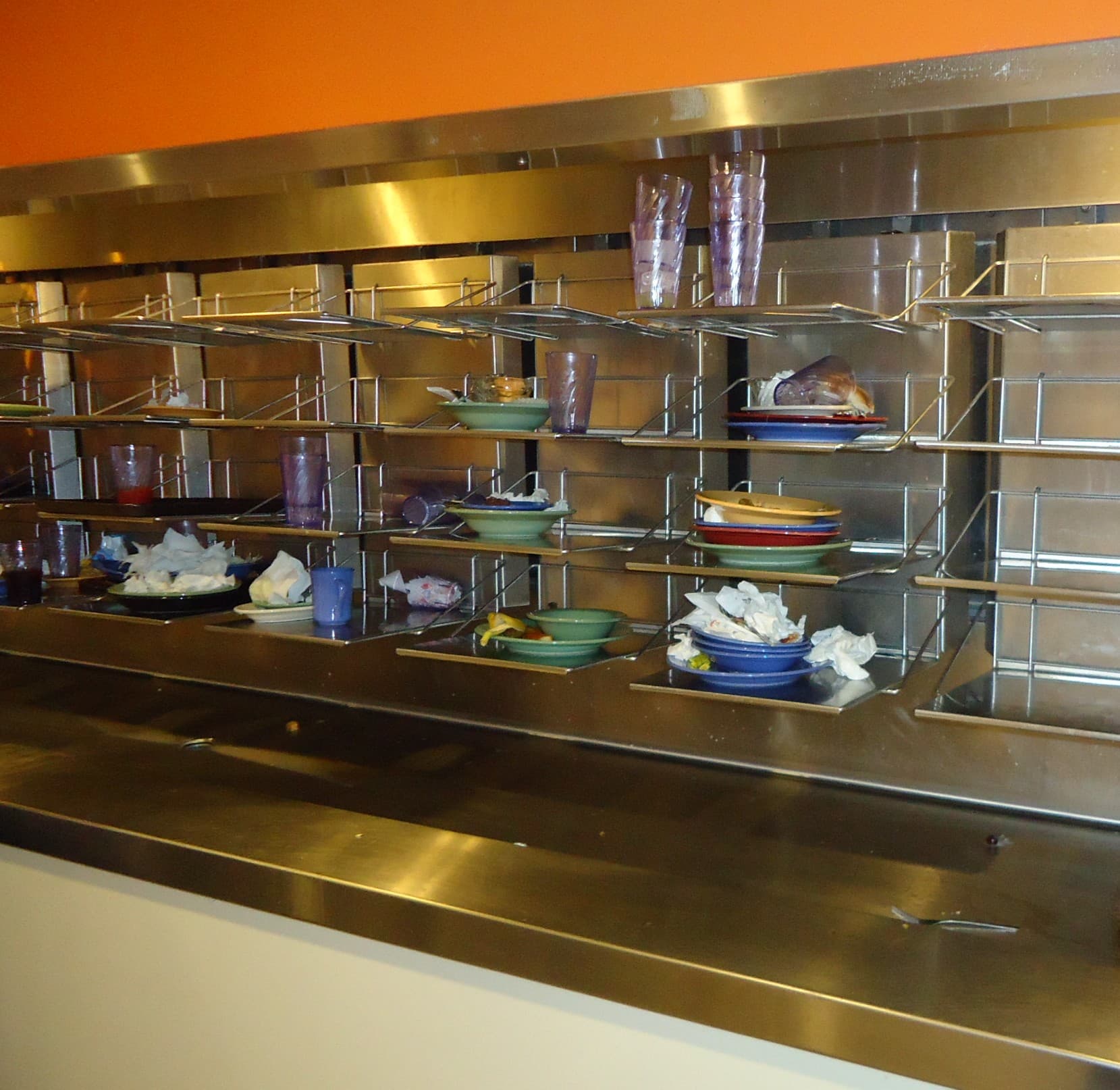
Most students do not follow dining operations news for the business angle. They notice it when the coffee line finally moves, when late-night food is actually available, or when the same meal plan starts stretching a little further through the week. Any campus dining overhaul is really about daily friction: how hard it is to grab breakfast before class, whether there is something decent between lectures, and how often convenience wins over quality.
That is why food changes on campus deserve a practical lens, not a branding one. A better dining setup should mean clear hours, dependable options for dietary needs, fewer dead zones during the day, and food that feels made for real routines instead of brochure photos. Students are busy, price-sensitive, and often eating on odd schedules, so reliability can matter just as much as creativity.
There is also a bigger lifestyle point here. Colleges like to talk about community, but dining is one of the few places where that promise becomes tangible. A welcoming food hall, a useful grab-and-go case, or a spot that stays open when the library is packed can make campus feel more livable. Bad dining pushes students off campus or into expensive delivery habits; good dining quietly saves time, money, and stress.
The smartest way to judge any dining refresh is simple: wait past the announcement and look at the everyday experience. Are portions fair? Are wait times better? Can commuters, athletes, and students with dietary restrictions all find something workable without a scavenger hunt? If the answer is yes, then the change matters. If not, no amount of shiny messaging will make lunch feel like a win.
Photo: Tomwsulcer via Wikimedia Commons (CC0).

Related stories
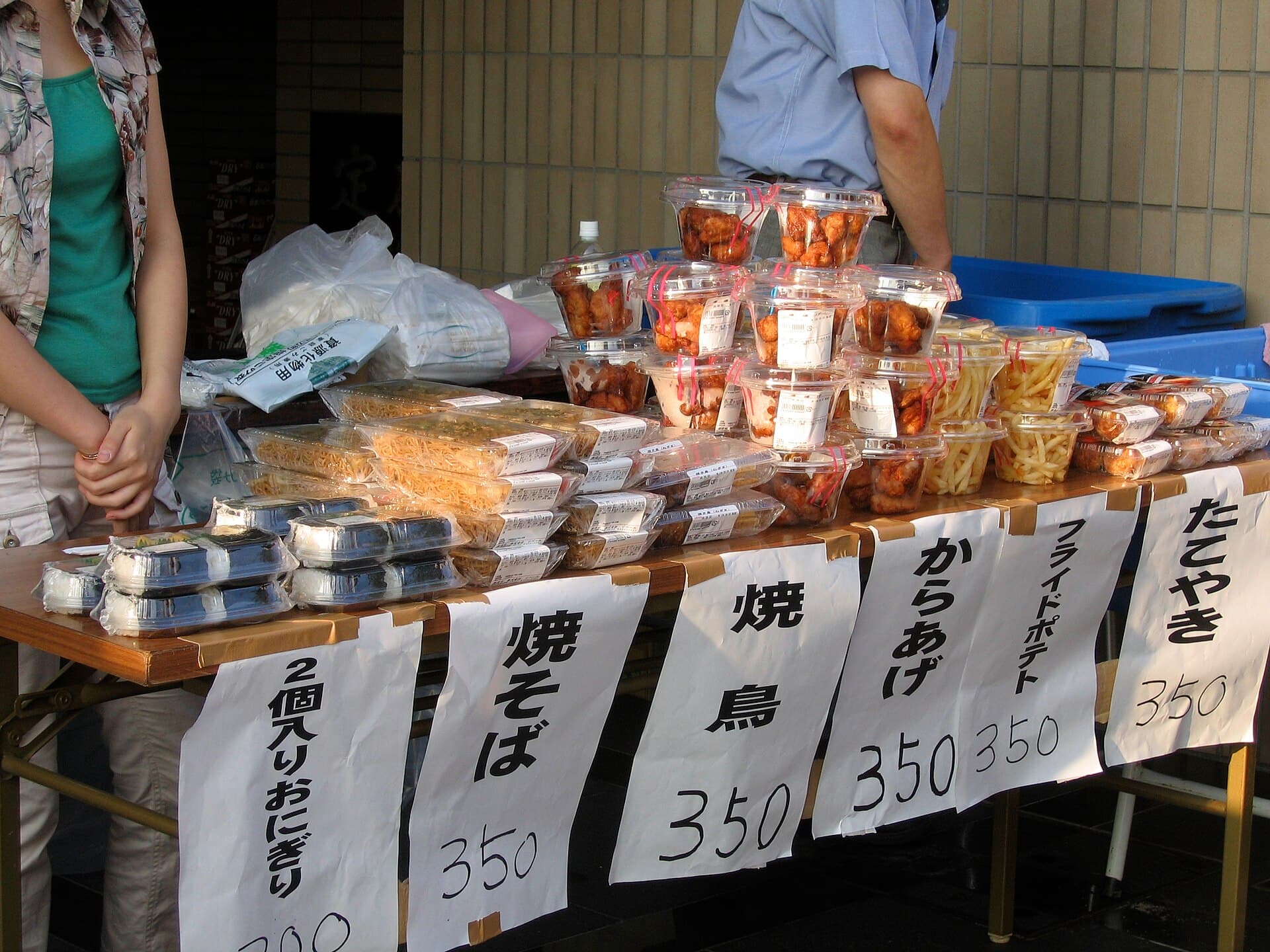
Why Neighborhood Food Festivals Are the Best Way to Try Japanese Cooking
A local Japanese food festival can be a smarter introduction than a pricey restaurant reservation. The best part is the chance to try a wider range of dishes, flavors, and community traditions in one afternoon.
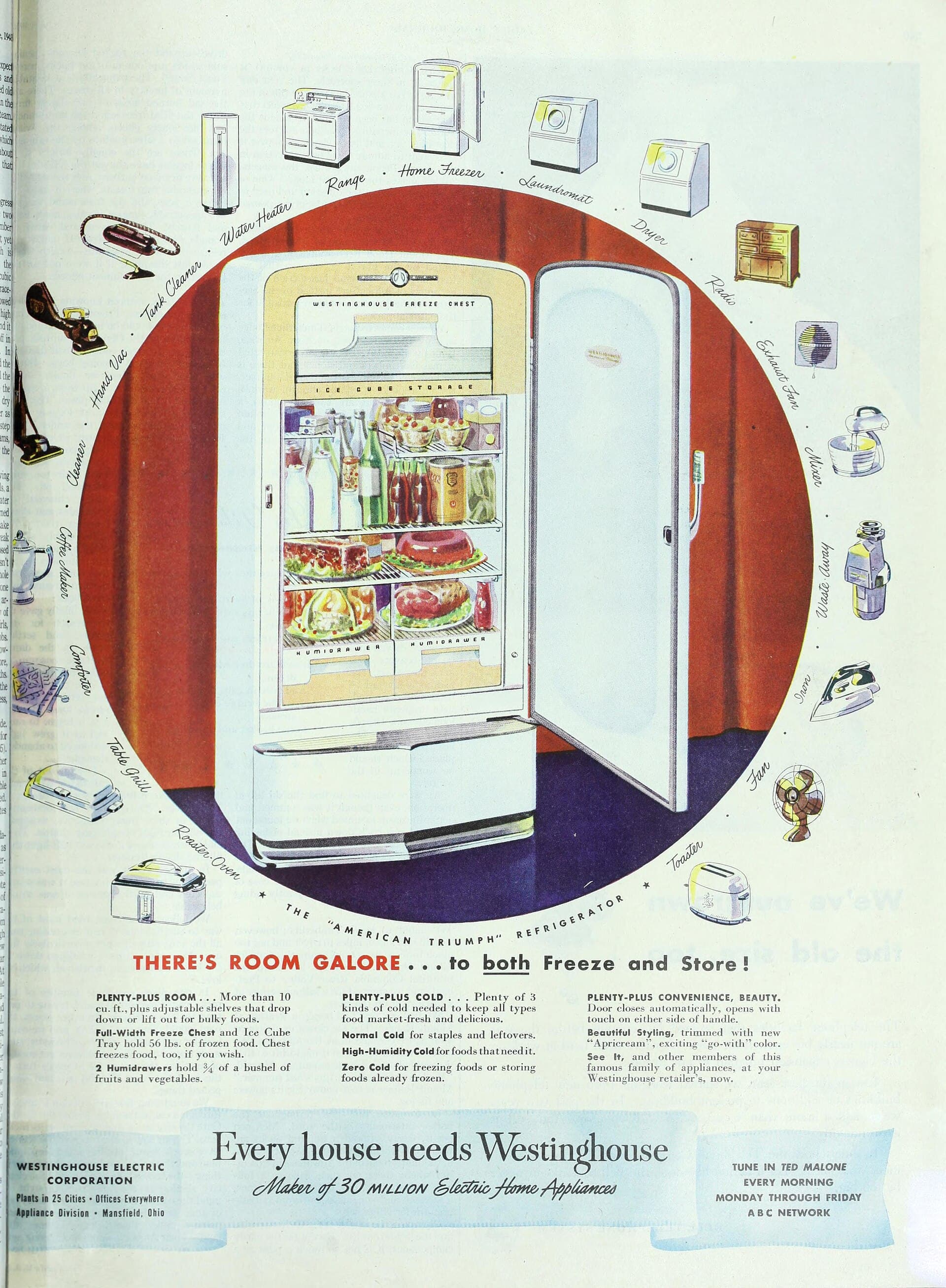
The Cheapest Meal Upgrade Is Learning to Cook What You Already Bought
A smarter kitchen starts before the grocery store and pays off all week. Using what’s already in the fridge can stretch a food budget without making meals feel like leftovers on repeat.

What Diners Should Look For Before Making a Food Truck Park a Regular Stop
When a food truck park becomes the center of online complaints, it’s a reminder that diners should pay attention to more than just the menu photos. A great food stop needs consistency, transparency, and a setup that works for both customers and vendors.