Why City-Born Streetwear Keeps Earning Closet Space
The best streetwear lasts because it feels lived-in, not overdesigned. For shoppers, that means buying pieces with attitude, comfort, and enough versatility to outlast a trend cycle.
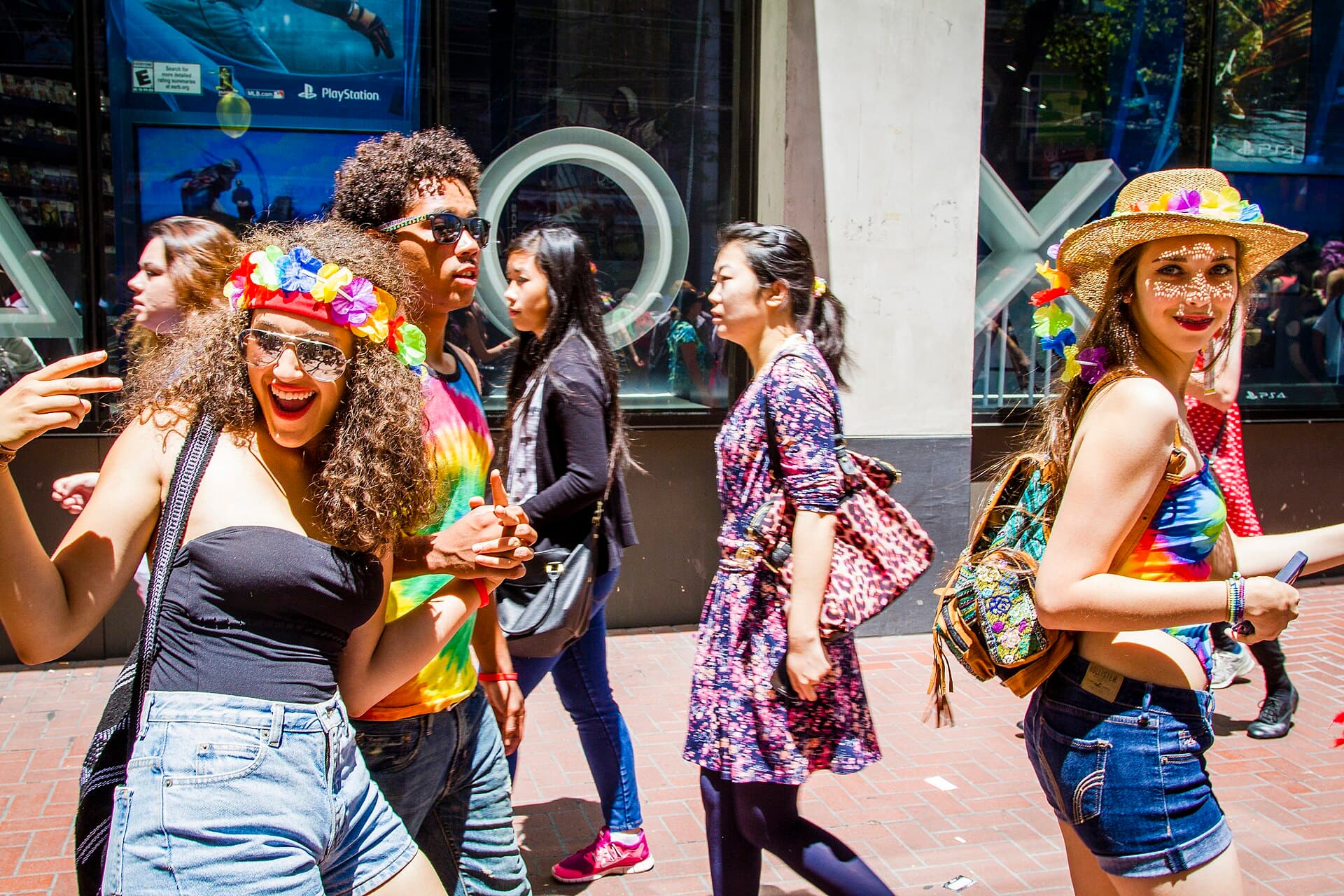
Some labels stick around because they never chased perfection in the first place. The appeal of city-born streetwear is that it looks better when it feels personal: a roomy tee, a broken-in cap, a jacket that works as well on a subway platform as it does at a backyard cookout. That kind of style survives because regular people can actually wear it, repeat it, and make it their own.
For shoppers, the lesson is practical. If a brand’s identity is so specific that you can only wear it one way, it usually has a short life in your closet. The pieces worth buying are the ones that carry some point of view without demanding a whole costume. A graphic shirt should still work under a plain overshirt, and relaxed pants should make sense with sneakers you already own.
There’s also something refreshing about fashion that doesn’t pretend to be fragile. American wardrobes are leaning harder toward comfort, but comfort alone is not enough; people still want clothes that signal taste and place. Streetwear rooted in a real scene, especially one tied to a city’s music, movement, and everyday energy, offers both. It gives you an identity cue without making you look like you tried too hard.
That is probably the clearest reason this category keeps renewing itself. Trends come and go, but shoppers return to clothes that are easy to style, easy to repeat, and strong enough to hold a little history. In apparel, longevity is its own kind of value, and the smartest buys are often the ones that already look like they belong to a life in progress.
Photo: micadew via Wikimedia Commons (CC BY-SA 2.0).
.jpg)
Related stories

The Best Trend in Fashion Right Now Is Looking Unbothered
The most wearable runway idea this season isn’t a single item—it’s the return of clothes that look lived in, easy, and ready for an actual day. For shoppers, that means buying less fantasy and more pieces that earn repeat wear.
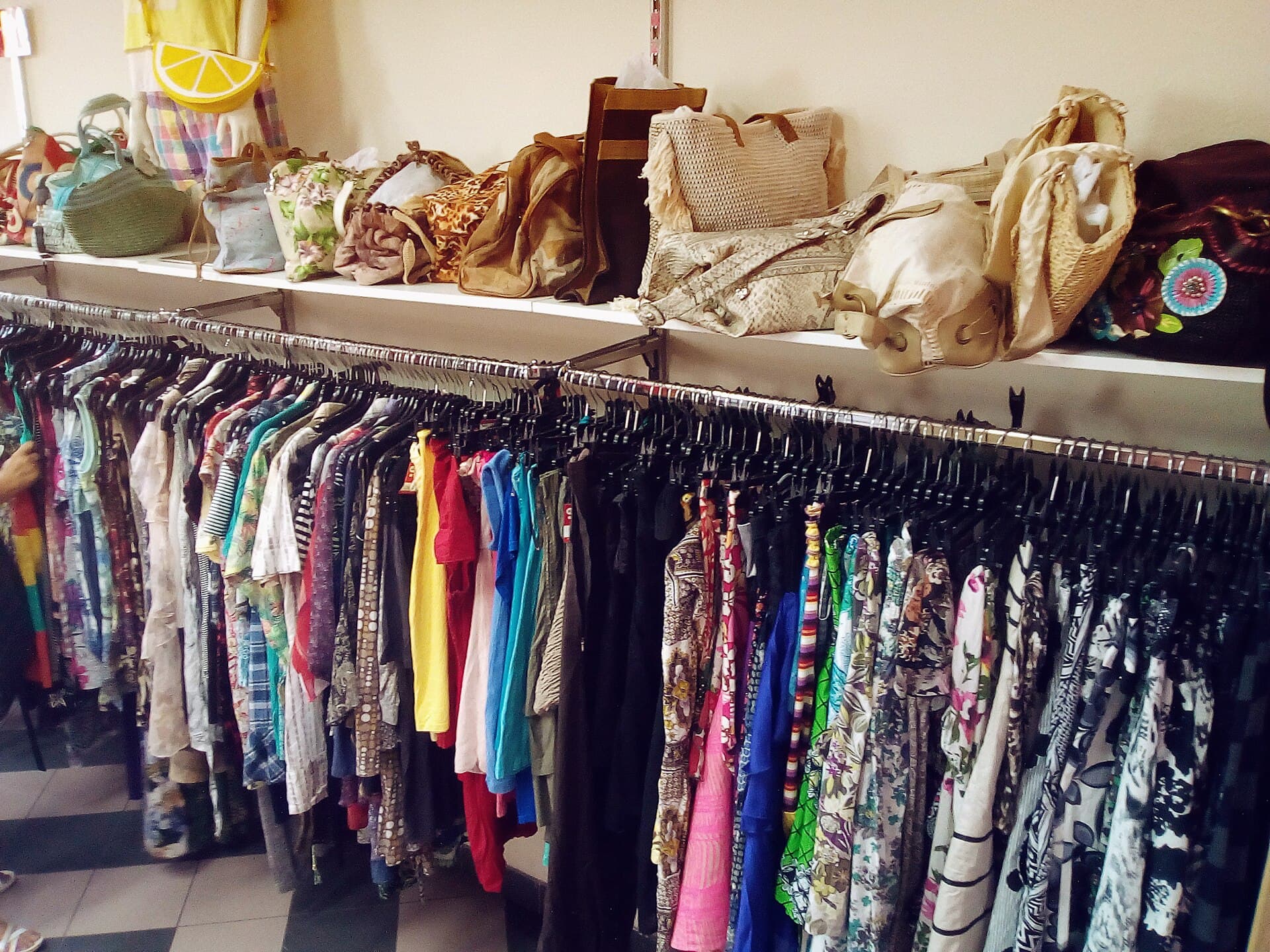
The Best Closet Upgrade Might Be Someone Else’s Return Pile
For shoppers tired of flimsy trends and constant micro-hauls, thrift stores offer a slower, smarter way to buy clothes. The real appeal isn’t just saving money—it’s finding pieces that actually deserve closet space.
Why Independent Fashion Labels Need Community More Than Hype
Big fashion headlines can distract from the fragile reality of independent labels. For shoppers, the most meaningful support often looks less like chasing trends and more like showing up for small brands consistently.