Why Clothing Aid Should Be Easy to Track and Easy to Use
When clothing help turns into a political argument, families still need coats, shoes, and school basics. The real consumer issue is whether aid is simple to use, clearly documented, and focused on dignity.
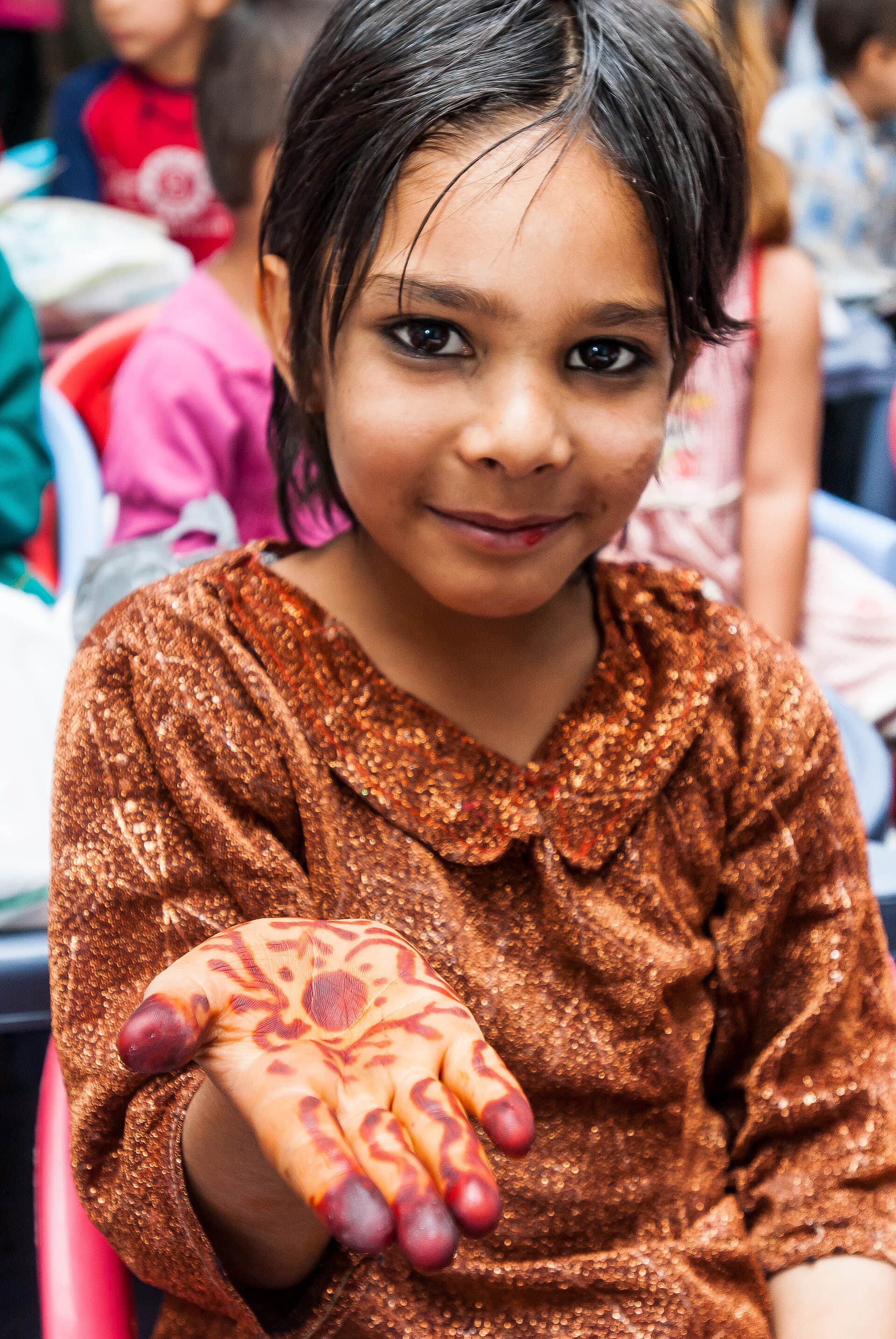
Clothing assistance sounds straightforward until it gets pulled into a larger public fight. For most families, though, the question is much simpler: can this help be used quickly for things kids and adults actually need, like school clothes, workwear, socks, shoes, and weather-ready basics? If the answer is unclear, the program is already failing the people it is supposed to serve.
paragraphs around vouchers and reimbursements often miss the everyday shopper experience. A parent using clothing aid should not have to decode confusing rules at the register or wonder which stores accept it. The best version of this kind of support works like any normal purchase, with clear limits, plain-language terms, and enough flexibility to buy practical items instead of forcing people into narrow categories that do not match real life.
Good oversight matters, but so does common sense. Public programs need records, receipts, and accountability, yet they also need to avoid treating every shopper like a suspect. If a benefit is hard to access, slow to approve, or embarrassing to use, families may skip it entirely and stretch old clothes for another season. That is not savings; it is just shifting the cost onto households that are already doing too much with too little.
For readers who care about value, this is the bigger takeaway: clothing support should function the way the best budget tools do. It should be transparent, easy to understand, and designed around actual needs. Whether the purchase is a winter coat, non-slip shoes for work, or a few basics for growing kids, the goal should be practical help with as little friction as possible.
Photo: Staff Sgt. Nestor Cruz via Wikimedia Commons (Public domain).

Related stories

The Best Trend in Fashion Right Now Is Looking Unbothered
The most wearable runway idea this season isn’t a single item—it’s the return of clothes that look lived in, easy, and ready for an actual day. For shoppers, that means buying less fantasy and more pieces that earn repeat wear.
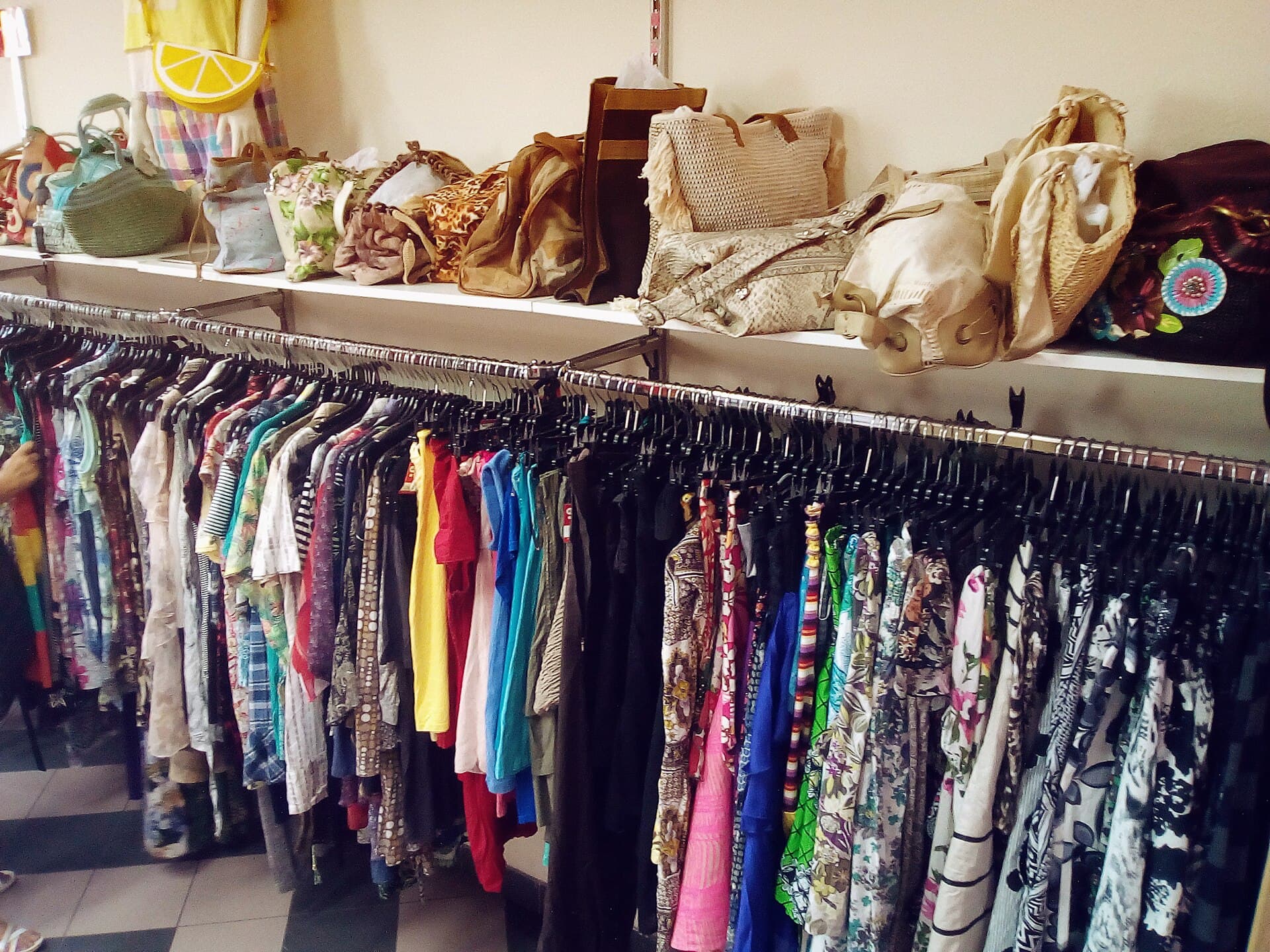
The Best Closet Upgrade Might Be Someone Else’s Return Pile
For shoppers tired of flimsy trends and constant micro-hauls, thrift stores offer a slower, smarter way to buy clothes. The real appeal isn’t just saving money—it’s finding pieces that actually deserve closet space.

Why Independent Fashion Labels Need Community More Than Hype
Big fashion headlines can distract from the fragile reality of independent labels. For shoppers, the most meaningful support often looks less like chasing trends and more like showing up for small brands consistently.