Why Clothing Help Should Follow Families, Not School Forms
When families qualify for one kind of basic assistance, getting help with kids’ clothing shouldn’t require a separate maze of paperwork. Treating apparel as a practical need, not a seasonal extra, would make back-to-school and everyday life less stressful.
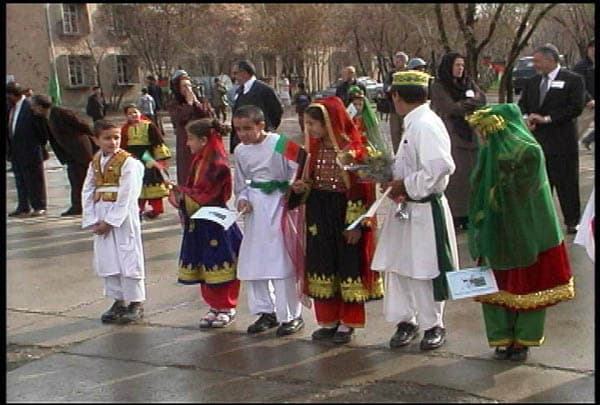
For a lot of households, children’s clothing is not a once-a-year shopping trip. It is a rolling expense that shows up every time a kid grows out of sneakers, needs a warmer coat, or suddenly has no pants that fit by the start of the week. That is why clothing support makes more sense when it is tied to broader family need, not just one school-season application window.
If a family has already proved it qualifies for food, medical, or cash assistance, asking them to start over for clothing help is the kind of bureaucratic habit that sounds small on paper and feels huge in real life. Parents do not experience expenses in neat categories. They experience them all at once: groceries, rent, utilities, and the very visible problem of a child who needs clothes that fit and are appropriate for school, weather, and daily life.
There is also a dignity issue here. Clothing assistance works best when it helps families buy what they actually need, in the right size and at the right moment, rather than forcing them into narrow rules or one-time deadlines. Kids need basics throughout the year, and parents usually know better than a program office whether this month calls for socks, a jacket, or uniform pieces.
A practical safety net should reflect how family budgets really work. For readers who care about smart policy and smart spending, this is a simple idea: reduce duplicate paperwork, connect benefits where eligibility already overlaps, and treat apparel like the essential household cost it often is. Helping families keep children clothed for school and everyday life is not a luxury add-on. It is basic stability.
Photo: State Department via Wikimedia Commons (Public domain).

Related stories

The Best Trend in Fashion Right Now Is Looking Unbothered
The most wearable runway idea this season isn’t a single item—it’s the return of clothes that look lived in, easy, and ready for an actual day. For shoppers, that means buying less fantasy and more pieces that earn repeat wear.
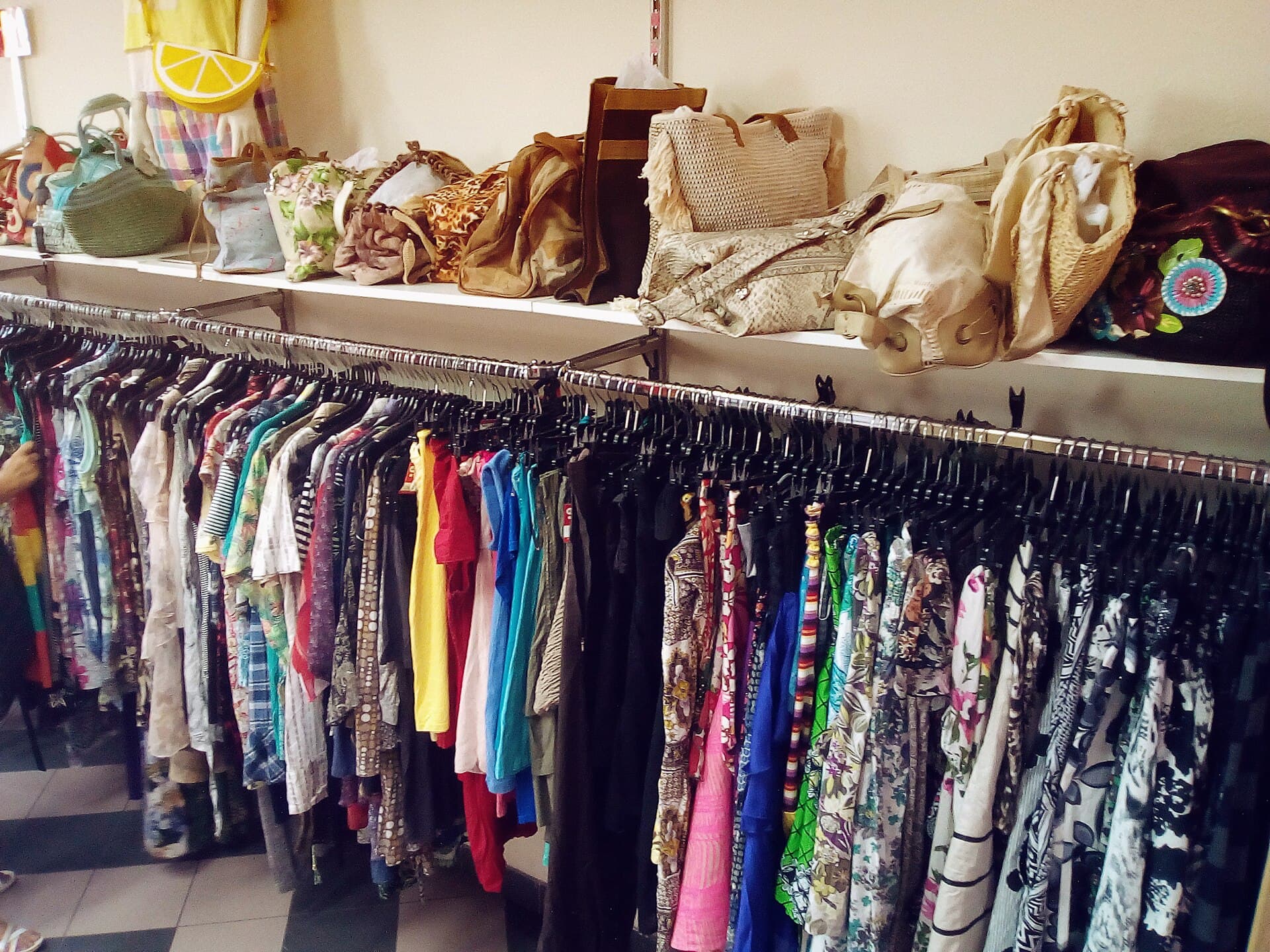
The Best Closet Upgrade Might Be Someone Else’s Return Pile
For shoppers tired of flimsy trends and constant micro-hauls, thrift stores offer a slower, smarter way to buy clothes. The real appeal isn’t just saving money—it’s finding pieces that actually deserve closet space.

Why Independent Fashion Labels Need Community More Than Hype
Big fashion headlines can distract from the fragile reality of independent labels. For shoppers, the most meaningful support often looks less like chasing trends and more like showing up for small brands consistently.