Why Emerging Designer Grants Matter More Than Another Luxury Drop
Fashion grants rarely go viral, but they can shape what shoppers actually get to see, wear, and support in the years ahead. For US consumers, programs that back emerging designers can mean more originality and fewer copy-paste trend cycles.
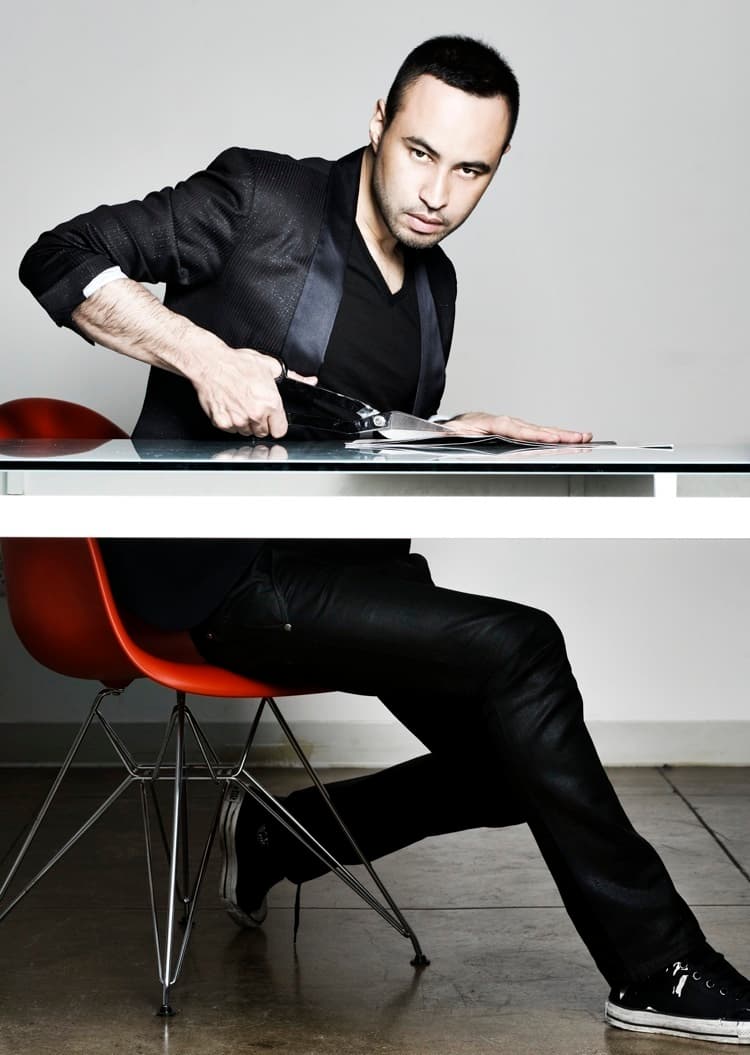
Big fashion headlines usually revolve around celebrity campaigns, resale spikes, or the latest expensive collaboration. But the stories that may matter more to everyday shoppers are the quieter ones: who gets funding, mentorship, and industry access before they become household names. Support for emerging designers, especially those building distinctive labels rather than chasing mass-market sameness, is one of the few ways fashion stays interesting.
For American shoppers, this kind of investment has a practical upside. When new designers get real backing, the market has a better chance of producing clothes and accessories with a point of view instead of endless repeats of whatever already sold last season. That does not just benefit runway insiders. It can eventually trickle into the broader retail landscape through better materials, more thoughtful design, and a healthier mix of brands competing on creativity instead of pure marketing volume.
There is also a cultural reason to pay attention. Fashion likes to talk about representation after the fact, once a look or a designer is already successful. Early support is the part that actually changes who gets visibility and who is able to build a sustainable business. If the industry wants fresher ideas on the rack, not just fresher messaging in ad campaigns, backing underrepresented talent at the development stage is the part that counts.
The consumer takeaway is simple: watch the names that emerge from these programs before they become impossible to buy or suddenly unaffordable. If you care about personal style, not just trend consumption, the smartest move is often following developing designers early, learning what they make well, and buying with intention when their work reaches stores. That is a better long-term fashion habit than chasing the next overhyped drop.
Photo: Campos carlos via Wikimedia Commons (CC BY 3.0).

Related stories

The Best Trend in Fashion Right Now Is Looking Unbothered
The most wearable runway idea this season isn’t a single item—it’s the return of clothes that look lived in, easy, and ready for an actual day. For shoppers, that means buying less fantasy and more pieces that earn repeat wear.
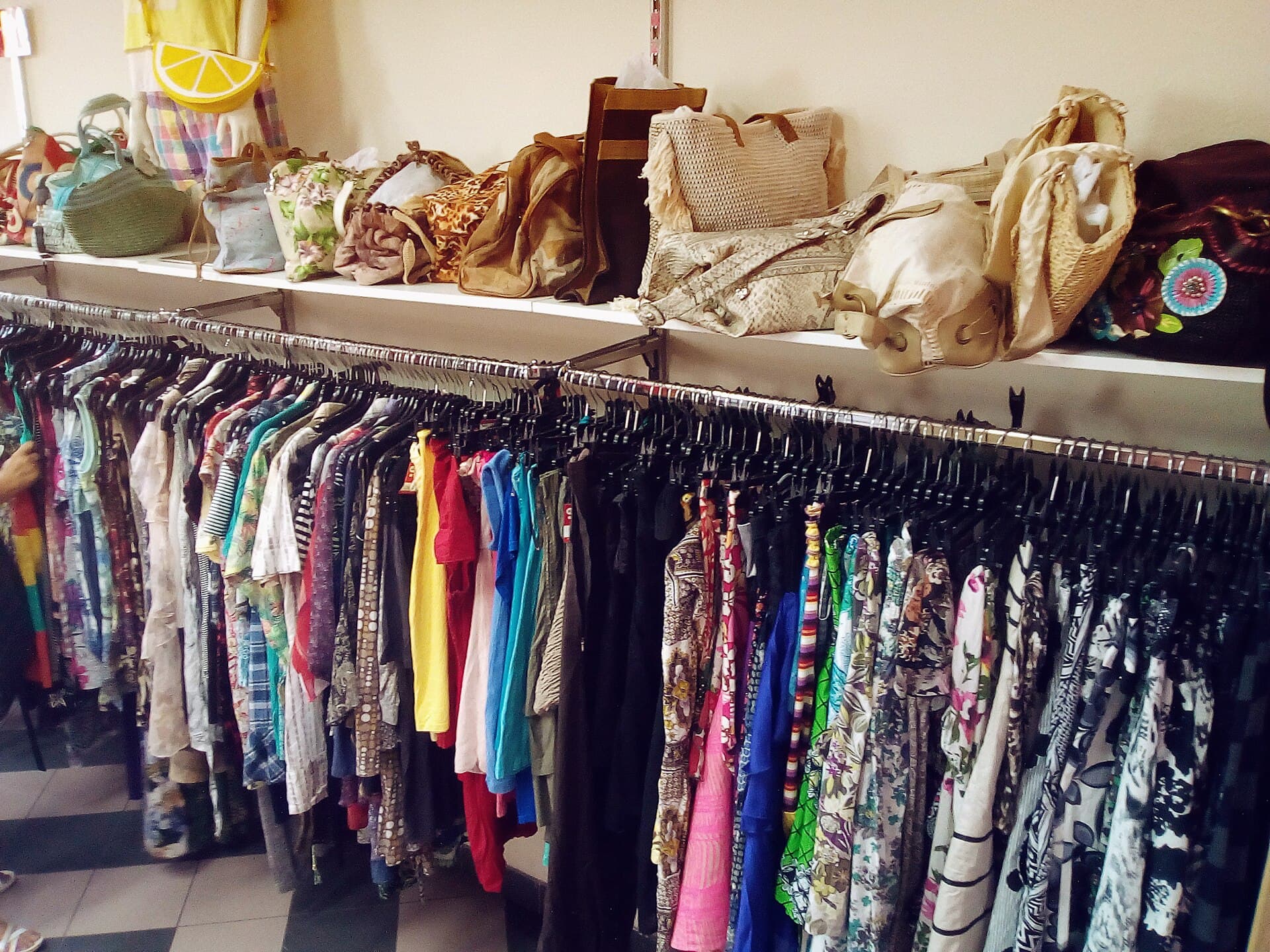
The Best Closet Upgrade Might Be Someone Else’s Return Pile
For shoppers tired of flimsy trends and constant micro-hauls, thrift stores offer a slower, smarter way to buy clothes. The real appeal isn’t just saving money—it’s finding pieces that actually deserve closet space.
Why Independent Fashion Labels Need Community More Than Hype
Big fashion headlines can distract from the fragile reality of independent labels. For shoppers, the most meaningful support often looks less like chasing trends and more like showing up for small brands consistently.