Why Family-Run Labels Still Matter When You’re Buying Clothes
In an era of constant drops and forgettable basics, family-run apparel labels can still offer something shoppers actually notice: consistency, accountability, and a clearer point of view. For Americans trying to buy fewer, better clothes, that matters.

A family-run apparel brand is not automatically better, but it often feels different in the ways that count once you bring the clothes home. The fit tends to stay familiar from season to season, the styling usually reflects a real point of view instead of whatever trend is moving fastest, and there is often a stronger sense that someone is protecting the reputation attached to the label. For shoppers, that can translate into fewer gamble purchases and less closet regret.
In the US, that matters because a lot of clothing now lands in the same middle zone: not cheap enough to be disposable without guilt, not well made enough to feel worth repairing. Legacy labels with family involvement can still occupy a useful space between luxury fantasy and throwaway basics. They often survive by doing the unglamorous things well, like dependable shirting, sturdy denim, practical outerwear, and occasion pieces that do not look dated after one season.
That does not mean buyers should fall for nostalgia alone. A familiar surname on a tag is only meaningful if the product holds up, the sizing is honest, and the brand has not drifted into charging premium prices for average quality. But when a company has been making clothes for generations, it usually has more to lose by disappointing repeat customers. That kind of accountability is worth paying attention to, especially online, where product pages can make everything sound equally special.
If you are trying to shop smarter, family stewardship is best treated as a clue, not a guarantee. Look for brands that keep a recognizable signature, offer pieces that work across multiple years, and make clothes you can imagine wearing hard rather than just photographing once. In a market crowded with hype, old-fashioned consistency can be one of the most useful features a label has.
Photo: Lukeisback.com via Wikimedia Commons (CC BY-SA 2.5).

Related stories

The Best Trend in Fashion Right Now Is Looking Unbothered
The most wearable runway idea this season isn’t a single item—it’s the return of clothes that look lived in, easy, and ready for an actual day. For shoppers, that means buying less fantasy and more pieces that earn repeat wear.
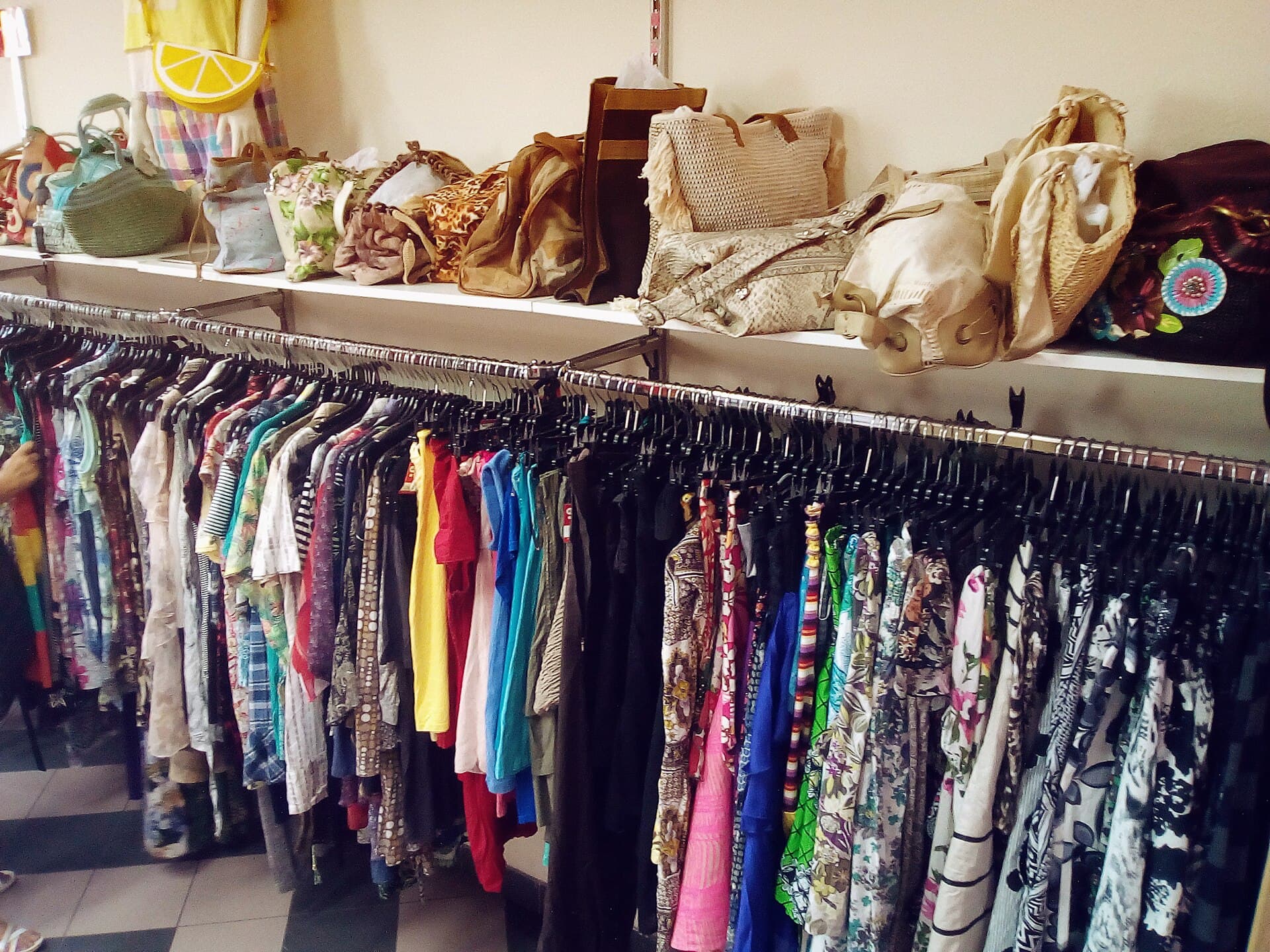
The Best Closet Upgrade Might Be Someone Else’s Return Pile
For shoppers tired of flimsy trends and constant micro-hauls, thrift stores offer a slower, smarter way to buy clothes. The real appeal isn’t just saving money—it’s finding pieces that actually deserve closet space.

Why Independent Fashion Labels Need Community More Than Hype
Big fashion headlines can distract from the fragile reality of independent labels. For shoppers, the most meaningful support often looks less like chasing trends and more like showing up for small brands consistently.