Why Fast-Fashion Fights Matter to Your Closet
When major shopping apps battle over design rights, the real takeaway for US shoppers is simpler: trendy basics are easier than ever to find, but quality and originality still take work. A smarter wardrobe starts with slowing down before you tap buy.
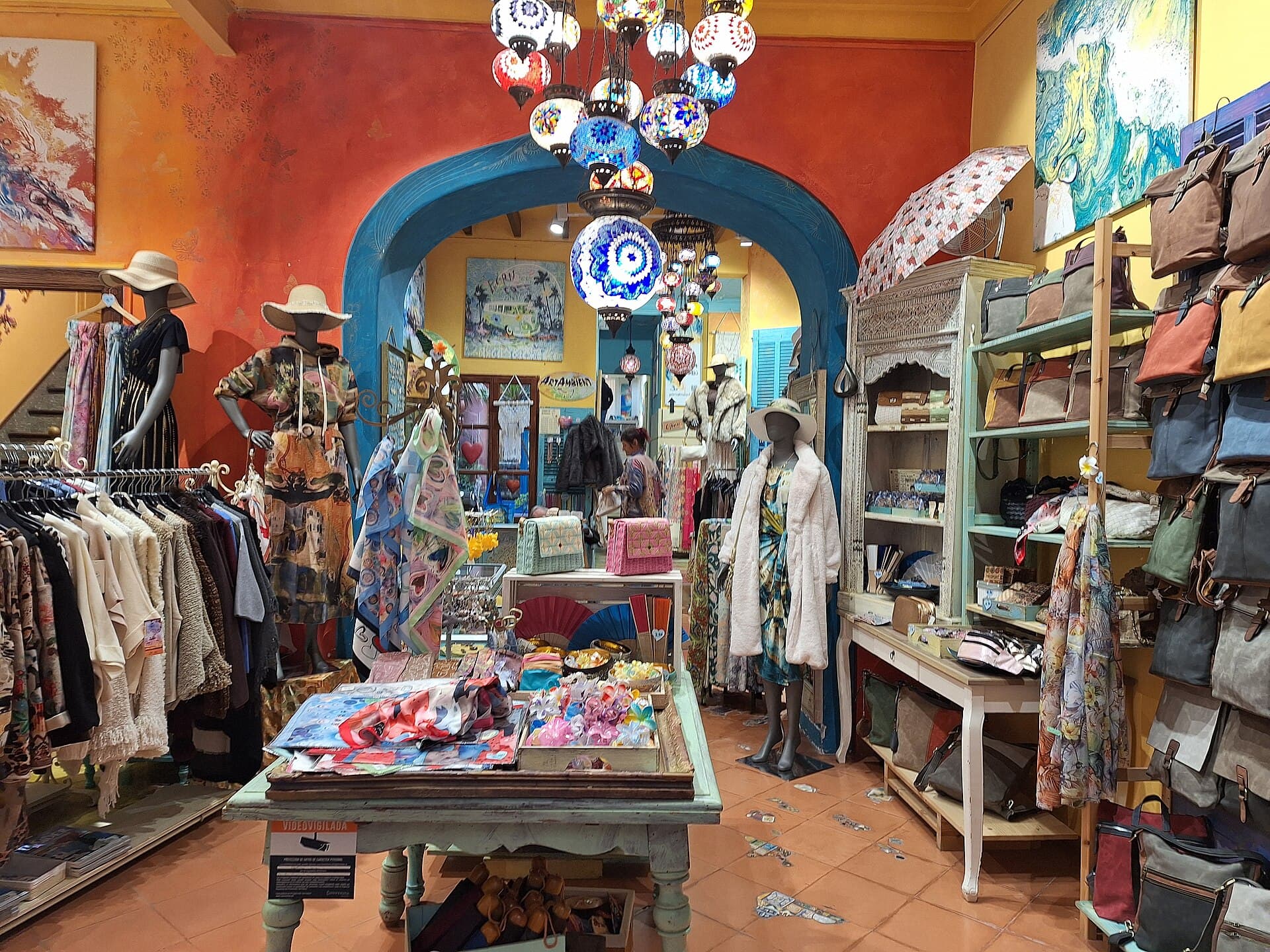
When two giant shopping platforms fight over who copied what, most regular shoppers are not thinking about legal theory. They are thinking about whether the same dress keeps showing up in five different apps, why product photos look oddly familiar, and whether any of it will hold up after two washes. For US shoppers, that is the practical angle: the internet has made fashion more abundant, but also more repetitive.
This kind of dispute is a reminder that cheap trend shopping often runs on speed above all else. If a blouse, sneaker, or matching set is racing from sketch to listing page, originality can get blurry fast. That does not mean shoppers need to stop buying affordable clothes, but it does mean it is worth paying closer attention to details that actually affect value, like fabric content, return policies, customer review photos, and whether the item looks like something you will want to wear next season too.
The best defense against disposable shopping is not becoming a fashion purist. It is building a better filter. If you keep seeing near-identical pieces across marketplaces, that is a sign to pause and compare instead of impulse-buying the first low price. Sometimes the smarter move is choosing one versatile version from a retailer with clearer sizing, better shipping reliability, or a reputation for more consistent construction.
Fast fashion is not going away, and neither are copycat trends. But shoppers do not have to play along at full speed. A closet feels more expensive when it has fewer panic purchases and more pieces you can re-wear confidently. In a market flooded with lookalikes, the real style flex is buying less often and choosing better when you do.
Photo: Steffen Mokosch via Wikimedia Commons (CC BY-SA 4.0).

Related stories

The Best Trend in Fashion Right Now Is Looking Unbothered
The most wearable runway idea this season isn’t a single item—it’s the return of clothes that look lived in, easy, and ready for an actual day. For shoppers, that means buying less fantasy and more pieces that earn repeat wear.
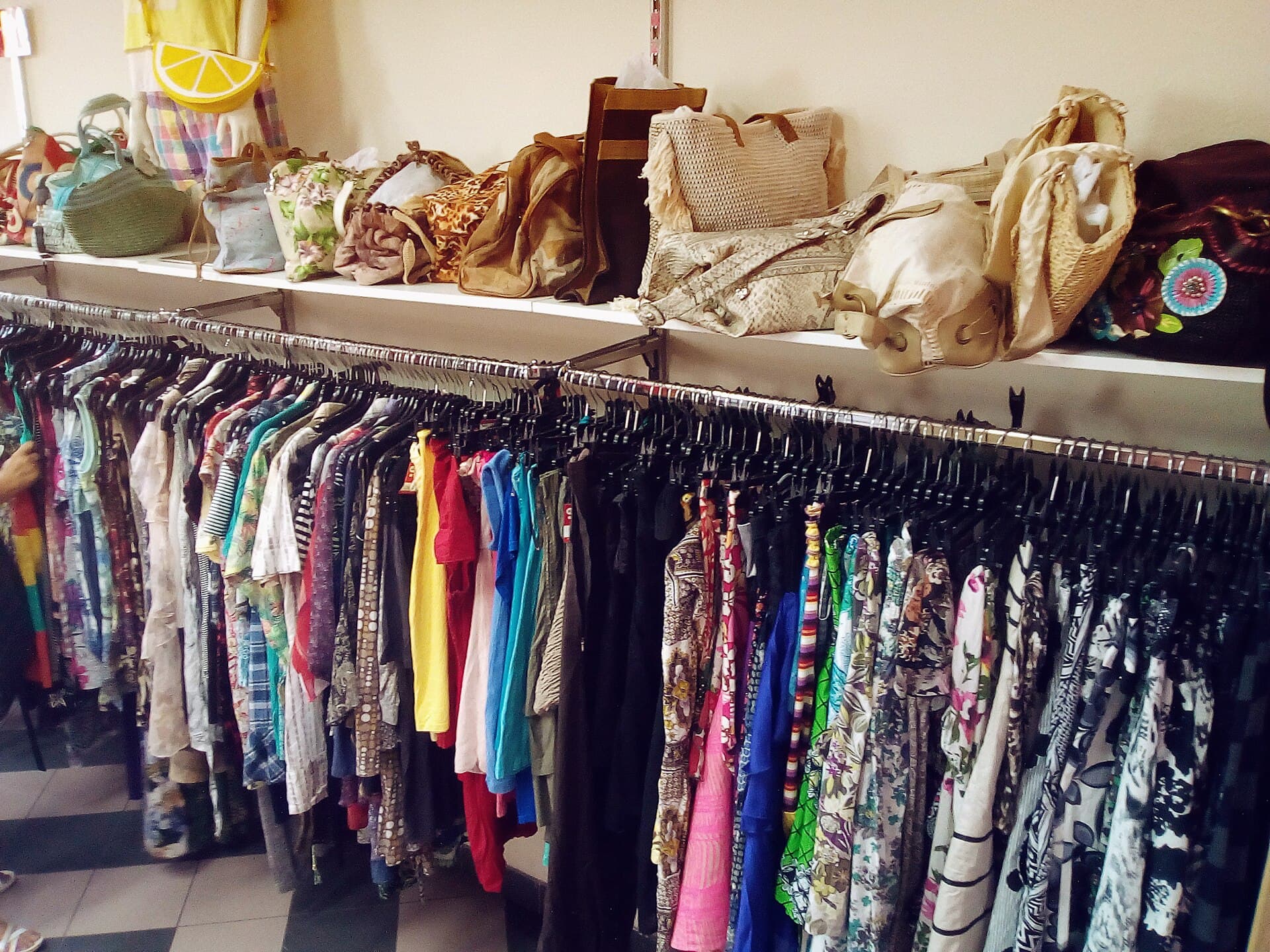
The Best Closet Upgrade Might Be Someone Else’s Return Pile
For shoppers tired of flimsy trends and constant micro-hauls, thrift stores offer a slower, smarter way to buy clothes. The real appeal isn’t just saving money—it’s finding pieces that actually deserve closet space.
Why Independent Fashion Labels Need Community More Than Hype
Big fashion headlines can distract from the fragile reality of independent labels. For shoppers, the most meaningful support often looks less like chasing trends and more like showing up for small brands consistently.