Why Fast Fashion Power Matters to Your Closet Budget
When one global retailer sets the pace, American shoppers feel it in everything from trend cycles to how often clothes seem worth replacing. The smartest response isn’t to chase every drop—it’s to shop with a clearer plan.
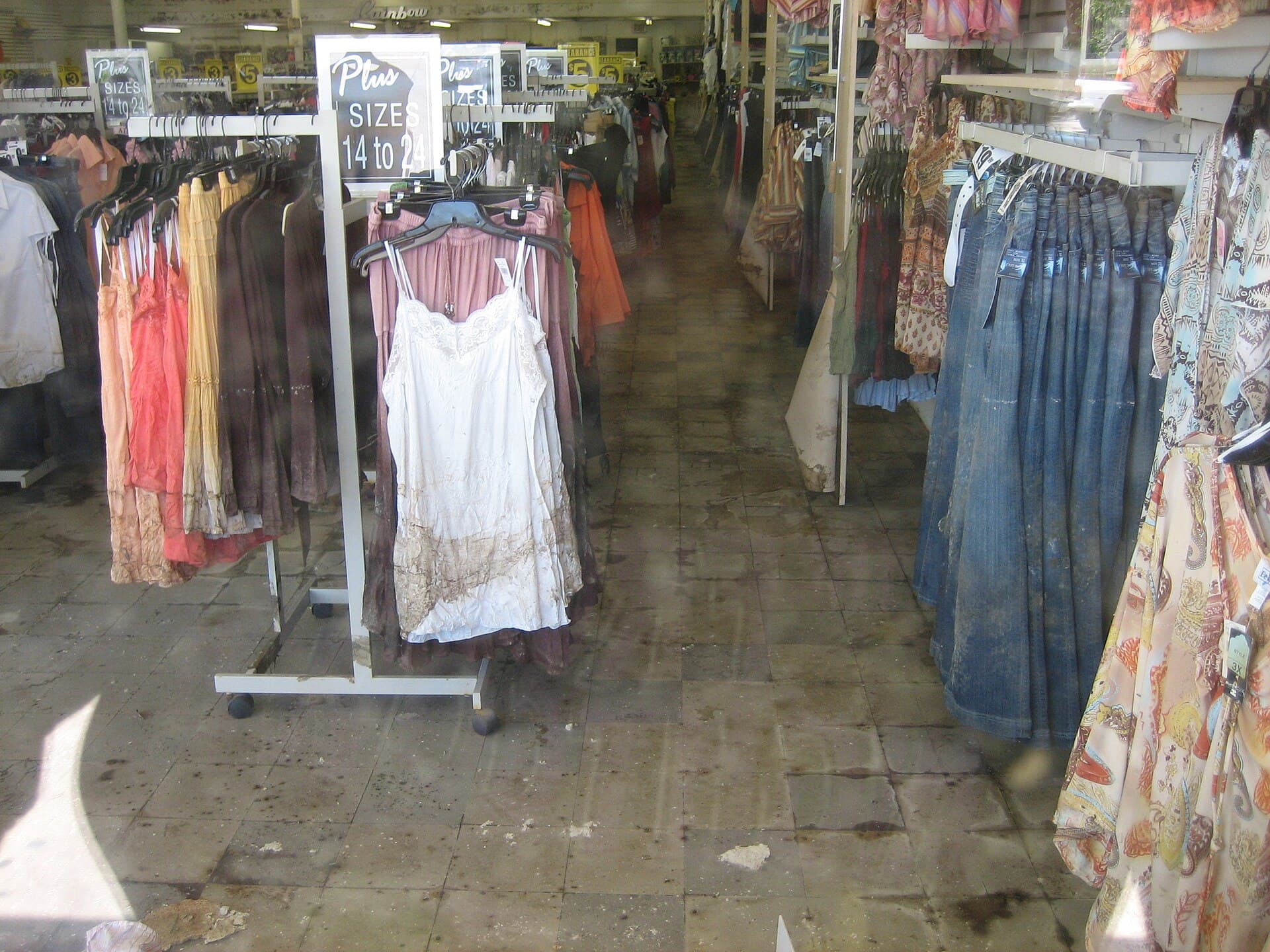
Most shoppers do not follow fashion leadership changes the way they follow sneaker drops or seasonal sales, but they should pay attention to who shapes the biggest retail machines. When a giant apparel company decides what looks polished, wearable, and worth mass-producing, that decision eventually shows up in mall windows, social feeds, and the sale section where many Americans actually shop.
For US consumers, the real story is not executive glamour. It is how quickly trends now move from runway-inspired idea to affordable purchase, and how that speed can make perfectly good clothes feel old before they are worn out. A retailer with global reach can make a color, cut, or silhouette seem unavoidable, which is great if you want an easy way into current style and less great if you are trying to build a wardrobe that lasts longer than one season.
That is why the practical move is to treat trend-heavy stores as reference points, not marching orders. If a major chain is pushing cropped jackets, wide-leg trousers, or a specific shade of red, use that as a cue to check your own closet first. You may already own a version that works. If not, buy the piece that fits your real routine rather than the one styled for a photo carousel you will forget in a week.
The best deal in apparel right now is not always the cheapest new item. It is the item you will wear at least twenty times without fussing over comfort, care, or whether it still looks current by next month. Big fashion retailers will keep setting the tempo, but shoppers do not have to dance to every beat. A little selectivity is still the strongest style advantage money can buy.
Photo: Infrogmation of New Orleans via Wikimedia Commons (CC BY 2.5).

Related stories

The Best Trend in Fashion Right Now Is Looking Unbothered
The most wearable runway idea this season isn’t a single item—it’s the return of clothes that look lived in, easy, and ready for an actual day. For shoppers, that means buying less fantasy and more pieces that earn repeat wear.
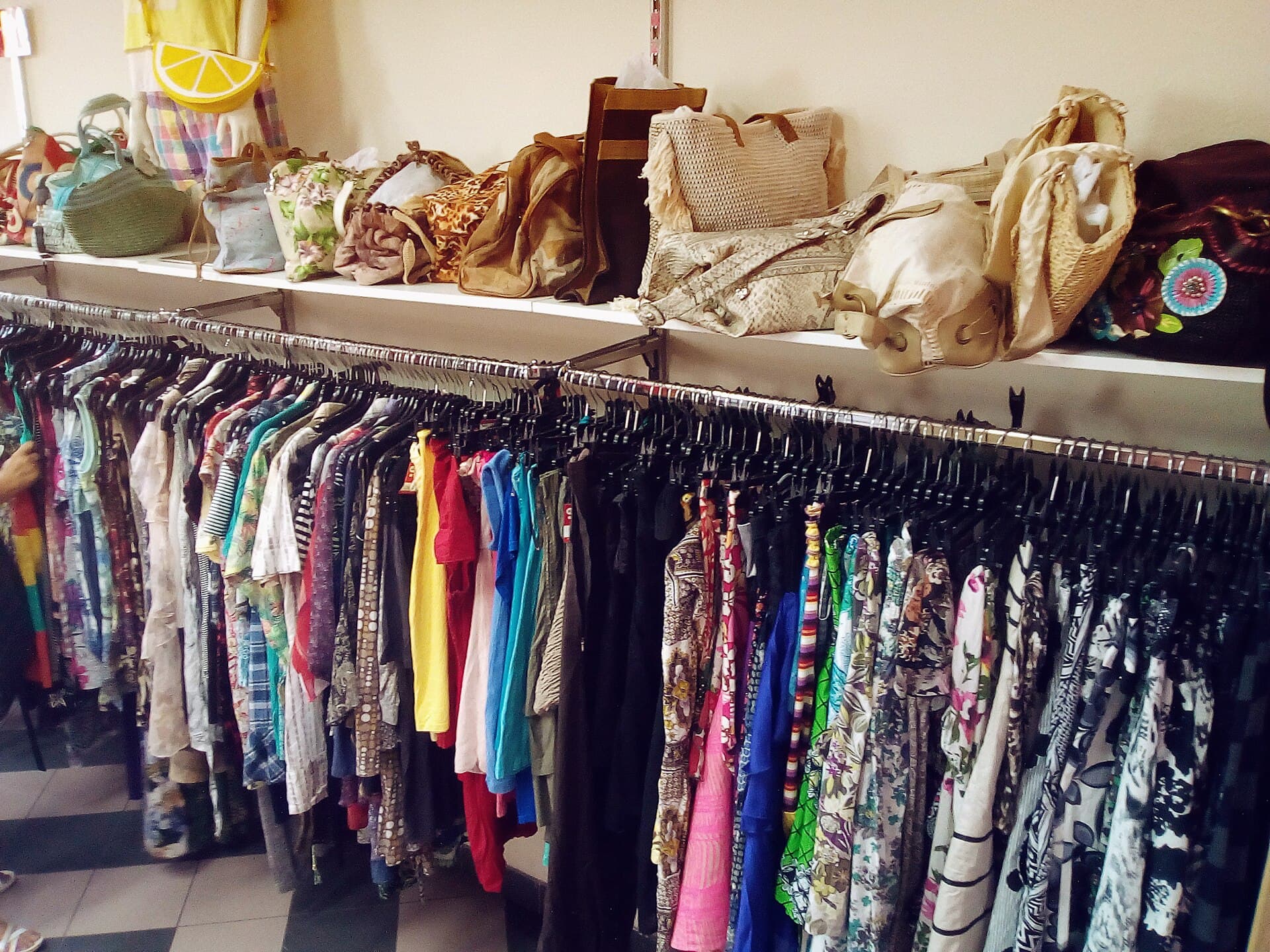
The Best Closet Upgrade Might Be Someone Else’s Return Pile
For shoppers tired of flimsy trends and constant micro-hauls, thrift stores offer a slower, smarter way to buy clothes. The real appeal isn’t just saving money—it’s finding pieces that actually deserve closet space.

Why Independent Fashion Labels Need Community More Than Hype
Big fashion headlines can distract from the fragile reality of independent labels. For shoppers, the most meaningful support often looks less like chasing trends and more like showing up for small brands consistently.