Why Food Festivals Matter Most When They Tell a Bigger Story
The best food events do more than pour wine and plate small bites. They remind audiences that cooking can be about dignity, training, and second chances as much as flavor.
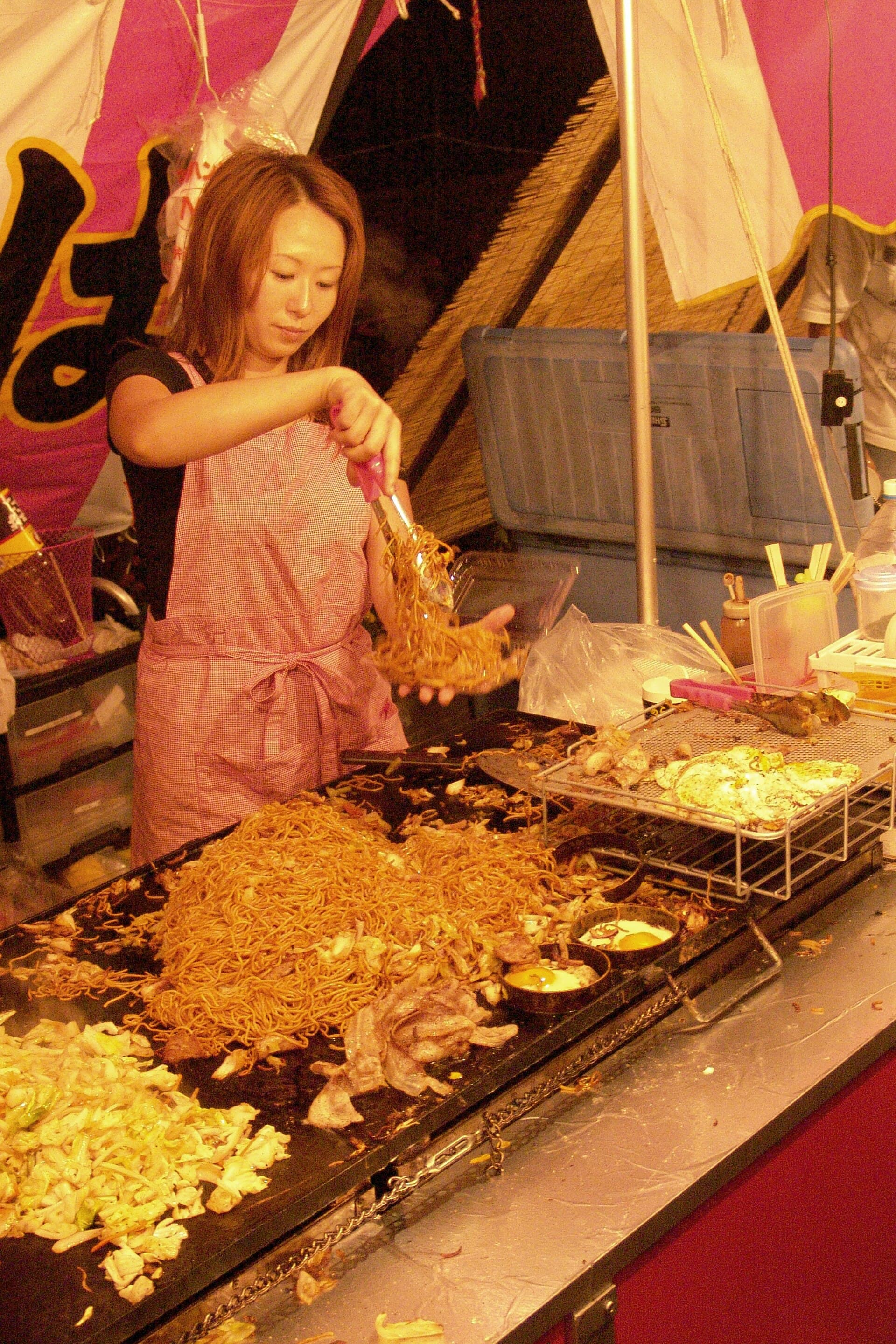
Food and wine festivals can easily blur together: tasting tents, chef demos, a few splashy pours, and long lines for the buzziest bite. What makes an event feel worth paying attention to is when it treats food as culture instead of just consumption. A screening tied to a culinary gathering does exactly that, giving people something richer to take home than a souvenir glass and a few restaurant recommendations.
For everyday audiences, this kind of programming is a useful reminder that the food world is not only about trend chasing. Behind every polished plate is labor, training, discipline, and often a personal story that never makes it onto the menu. When festivals make room for that reality, they become more accessible to people who care about how food connects to education, work, and community, not just where to book the next expensive dinner.
There is also something refreshing about seeing food framed through documentary storytelling rather than pure lifestyle fantasy. A good food film can make viewers think harder about who gets opportunity, who gets overlooked, and how kitchens can function as places of structure and purpose. In a media environment crowded with hot takes about the 'best' new opening, that feels like a smarter and more lasting use of attention.
For travelers and locals alike, the takeaway is simple: if you are choosing between food events this year, look for the ones that offer substance alongside indulgence. Great snacks and good wine are easy sells. A festival that can also deepen your understanding of the people and systems behind the meal is the one more likely to deserve your time.
Photo: MIKI Yoshihito from Sapporo City,Hokkaido., JAPAN via Wikimedia Commons (CC BY 2.0).

Related stories
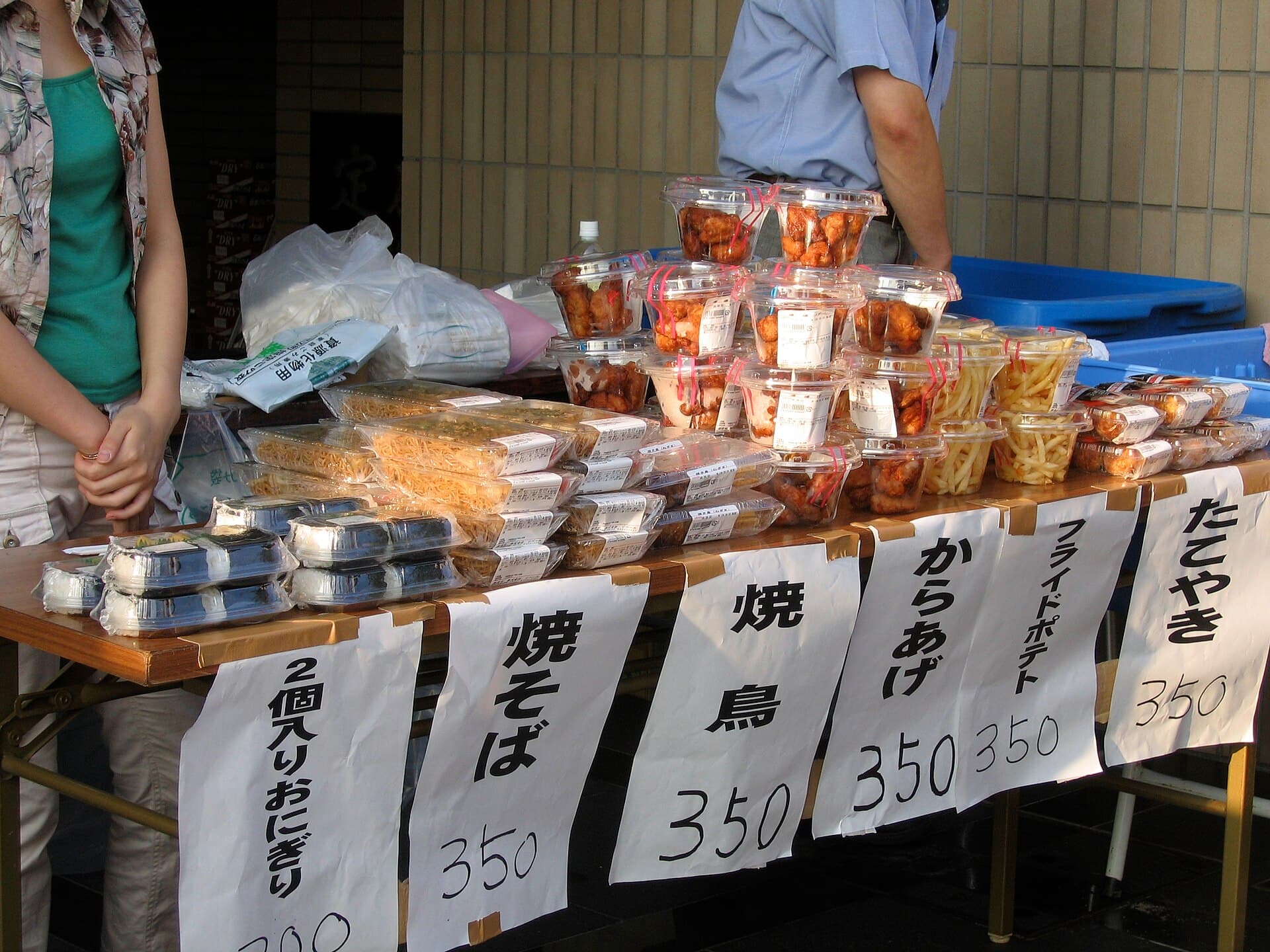
Why Neighborhood Food Festivals Are the Best Way to Try Japanese Cooking
A local Japanese food festival can be a smarter introduction than a pricey restaurant reservation. The best part is the chance to try a wider range of dishes, flavors, and community traditions in one afternoon.
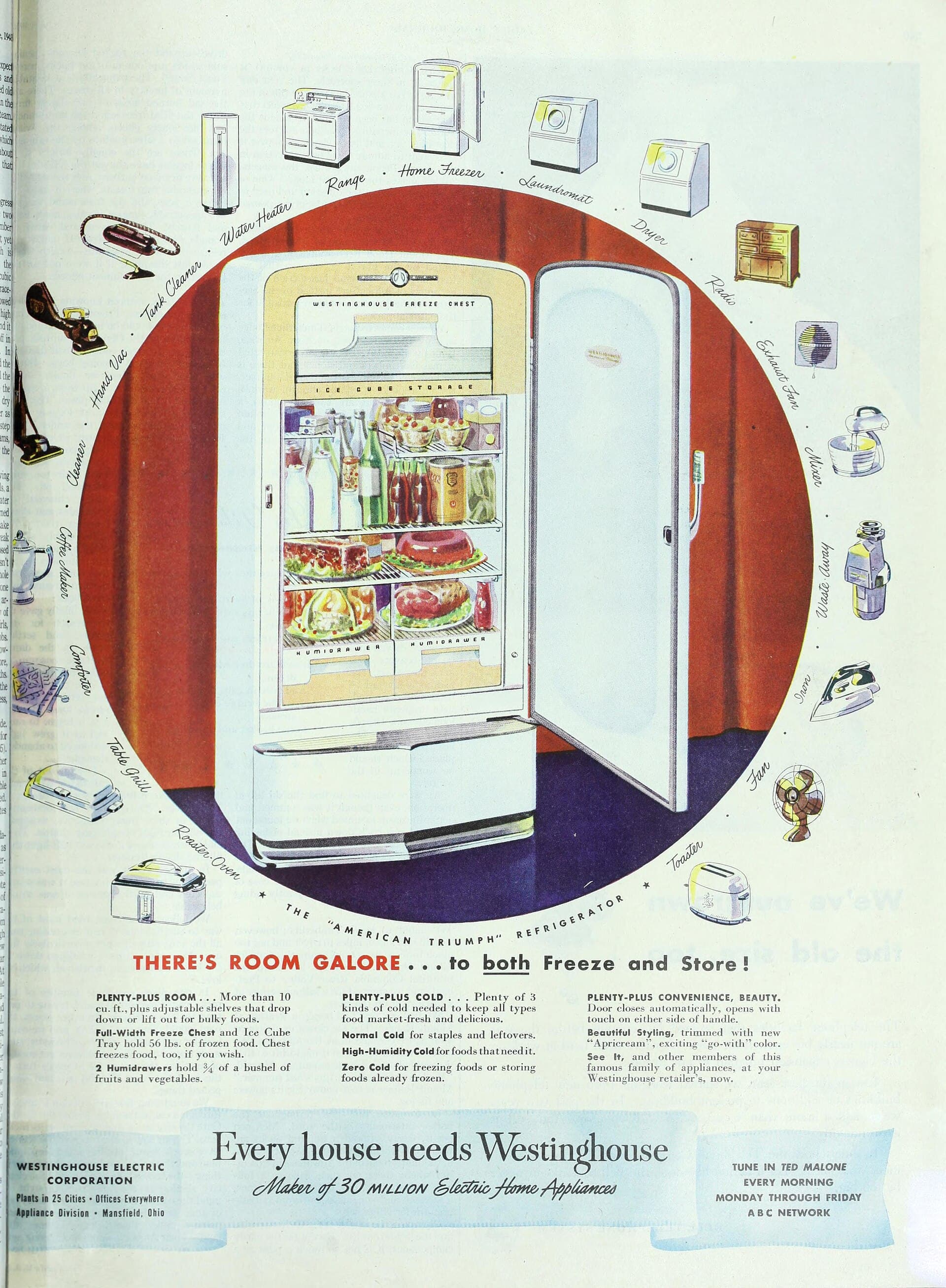
The Cheapest Meal Upgrade Is Learning to Cook What You Already Bought
A smarter kitchen starts before the grocery store and pays off all week. Using what’s already in the fridge can stretch a food budget without making meals feel like leftovers on repeat.
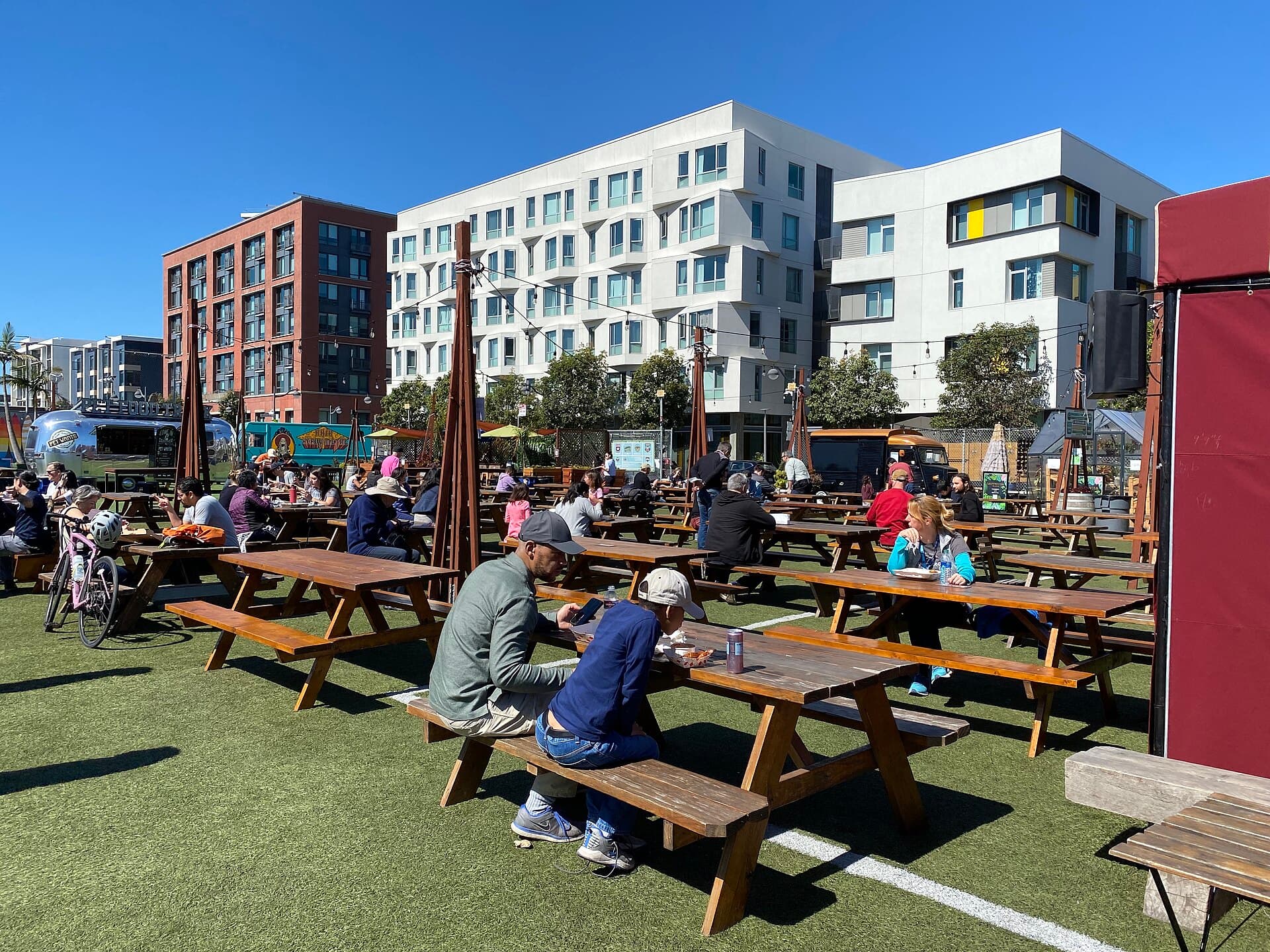
What Diners Should Look For Before Making a Food Truck Park a Regular Stop
When a food truck park becomes the center of online complaints, it’s a reminder that diners should pay attention to more than just the menu photos. A great food stop needs consistency, transparency, and a setup that works for both customers and vendors.