Why Great Outfit Photos Still Shape What We Actually Buy
A memorable fashion image can do more than sell a fantasy—it can quietly change how everyday shoppers think about fit, color, and confidence. The smartest style inspiration still comes from photos that make clothes feel wearable, not just dramatic.
Most people do not build a wardrobe from runway shows or designer mood boards. They build it from images that stick in the mind: a great coat worn with total ease, a white shirt that suddenly looks sharper than every trendy top, a pair of jeans styled in a way that feels possible instead of precious. The most lasting fashion photography matters because it teaches people how clothes can feel, not just how they look.
That is still useful in a shopping culture full of endless scrolling. A strong outfit photo can save shoppers from bad impulse buys by making one simple point clear: silhouette is usually more important than novelty. When an image is memorable, it is often because the proportions are right, the styling is clean, and the person wearing the clothes looks believable. That is a better guide for real-life spending than chasing whatever item is loudest online this week.
There is also a practical lesson here for anyone trying to shop smarter in the apparel category. If a photo makes you pause, look past the label and focus on the repeatable parts: the jacket length, the shoe shape, the way neutrals are layered, the amount of structure in the fabric. Those are the details that help you find similar pieces at different price points and make more use of what is already in your closet.
The best fashion images do not just create desire; they create clarity. They remind shoppers that personal style is often built from a handful of strong visual references repeated over time. In that sense, a truly influential photo is not about fantasy alone—it is about helping someone recognize the version of dressed-up, relaxed, polished, or bold that actually fits their life.
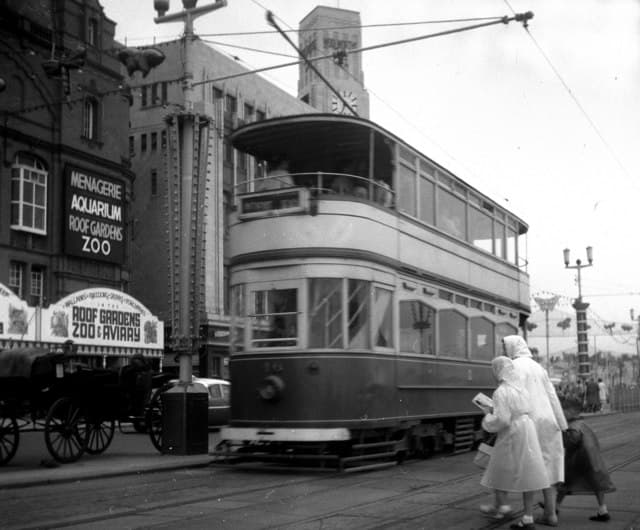
Photo: Dr Neil Clifton via Wikimedia Commons (CC BY-SA 2.0).

Related stories
The Best Trend in Fashion Right Now Is Looking Unbothered
The most wearable runway idea this season isn’t a single item—it’s the return of clothes that look lived in, easy, and ready for an actual day. For shoppers, that means buying less fantasy and more pieces that earn repeat wear.
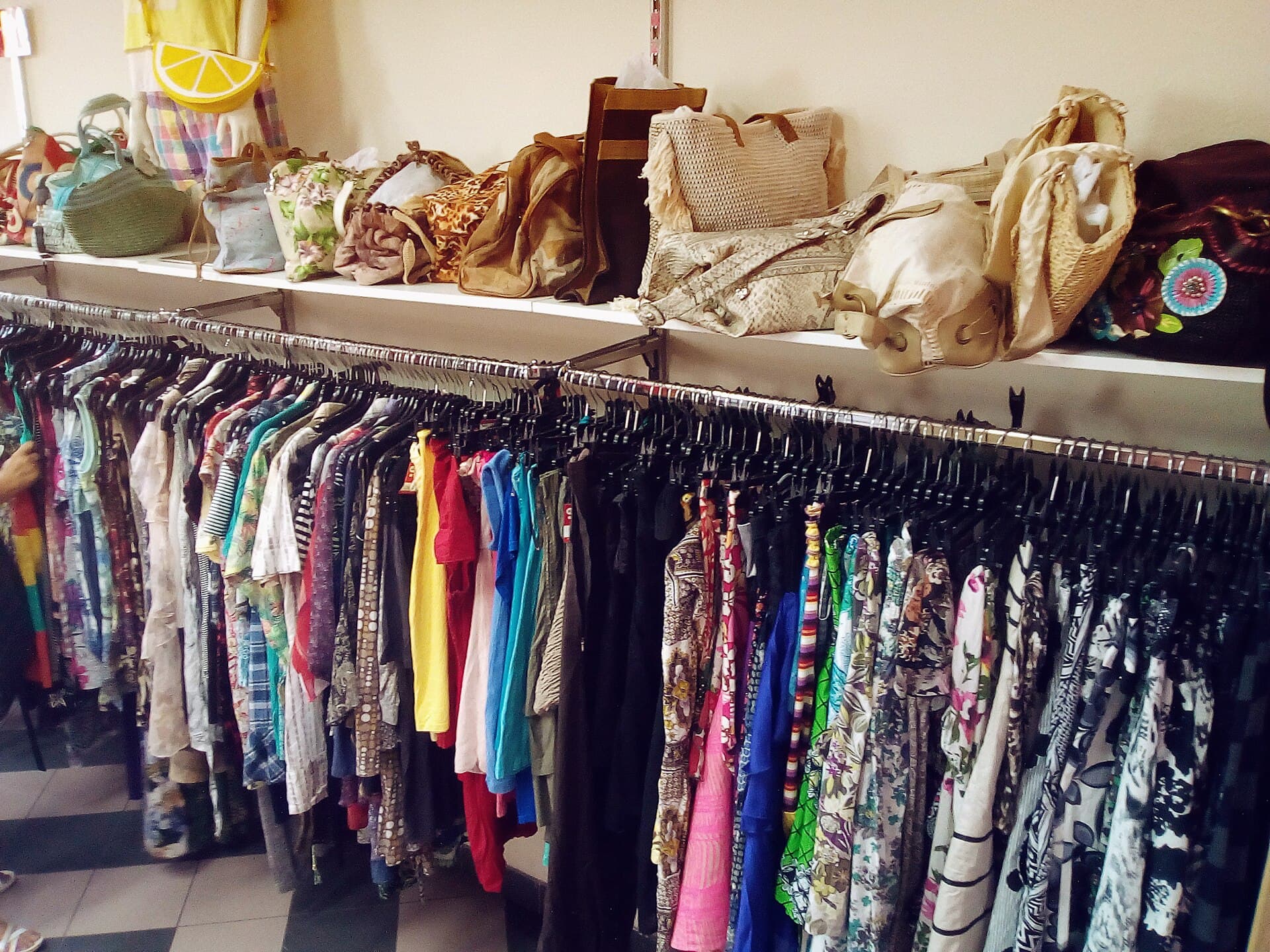
The Best Closet Upgrade Might Be Someone Else’s Return Pile
For shoppers tired of flimsy trends and constant micro-hauls, thrift stores offer a slower, smarter way to buy clothes. The real appeal isn’t just saving money—it’s finding pieces that actually deserve closet space.
Why Independent Fashion Labels Need Community More Than Hype
Big fashion headlines can distract from the fragile reality of independent labels. For shoppers, the most meaningful support often looks less like chasing trends and more like showing up for small brands consistently.