Why 'Made Nearby' Is Starting to Matter More in Your Closet
When apparel production is closer to home, shoppers often get faster restocks, better sizing updates, and fewer mystery delays. For US buyers, local manufacturing can be less about patriotism and more about getting clothes that actually arrive and fit the moment.
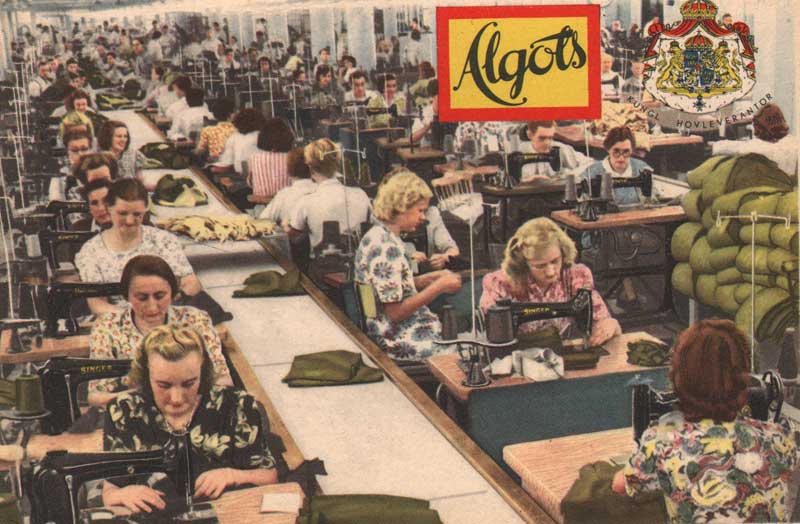
For a long time, most shoppers were trained to care about two things: price and trend. But the last few years have made a third factor much harder to ignore: how far a piece of clothing has to travel before it reaches your door. When production is closer to the customer, brands can usually react faster, restock popular items sooner, and fix mistakes before an entire season is wasted. That may not sound glamorous, but it matters when you just want your order to show up on time and look like the photos.
paragraphs like these also explain why domestic apparel hubs are becoming more interesting to watch. A city with pattern makers, sample rooms, cutters, sewers, dye houses, and shipping support all in one region gives brands a practical backup plan when overseas timelines get messy. For shoppers, that can translate into smaller but smarter product drops, more consistent quality from batch to batch, and a better chance that a brand can adjust fit after real customer feedback instead of waiting months for the next cycle.
This does not mean every locally made T-shirt is automatically a bargain, or that global sourcing is going away. It does mean the old assumption that the cheapest production route is always the best deal is starting to crack. A low sticker price loses some shine when sizes sell out instantly, returns pile up, or replacements take forever. Plenty of shoppers would rather pay for fewer surprises, especially in categories like denim, basics, and eventwear where fit and timing matter.
If you are shopping with value in mind, it is worth reading beyond the marketing label. Look for brands that explain where they cut and sew, how often they restock, and whether they produce in tighter runs instead of flooding inventory. In apparel, reliability is becoming part of the product. Clothes made closer to market will not solve every fashion problem, but they can make getting dressed feel a little less like a logistics experiment.
Photo: Algots publicity dept. via Wikimedia Commons (Public domain).

Related stories

The Best Trend in Fashion Right Now Is Looking Unbothered
The most wearable runway idea this season isn’t a single item—it’s the return of clothes that look lived in, easy, and ready for an actual day. For shoppers, that means buying less fantasy and more pieces that earn repeat wear.
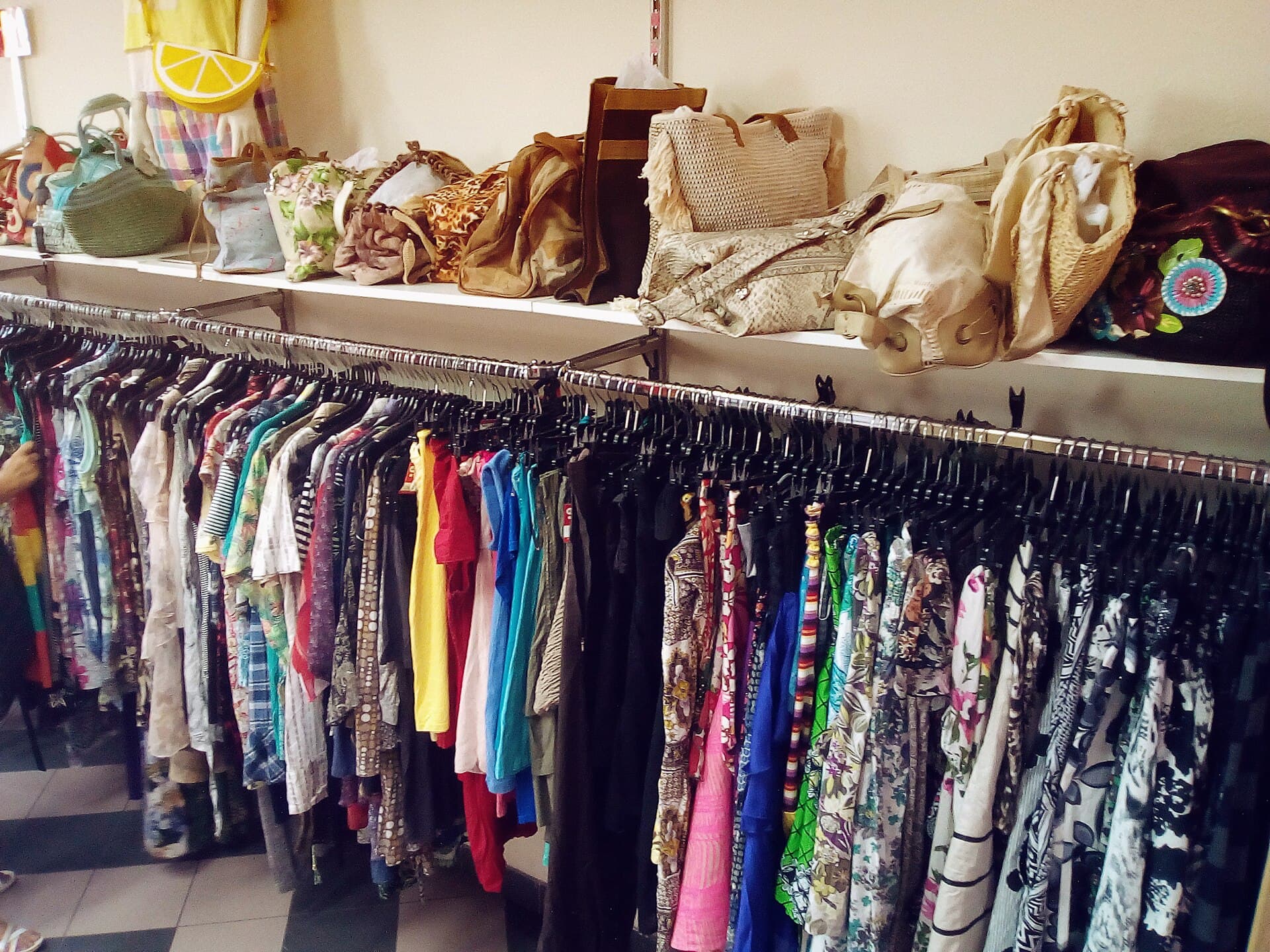
The Best Closet Upgrade Might Be Someone Else’s Return Pile
For shoppers tired of flimsy trends and constant micro-hauls, thrift stores offer a slower, smarter way to buy clothes. The real appeal isn’t just saving money—it’s finding pieces that actually deserve closet space.

Why Independent Fashion Labels Need Community More Than Hype
Big fashion headlines can distract from the fragile reality of independent labels. For shoppers, the most meaningful support often looks less like chasing trends and more like showing up for small brands consistently.