Why More Travelers Are Packing Their Own Plane Snacks
Food stories tied to airports tend to make travelers rethink what ends up on the tray table. For many people, the practical answer is simple: bring a few dependable snacks and lower your dependence on in-transit meals.

Any headline that raises questions about how travel food is handled tends to change behavior fast. Even people who aren’t especially picky about airport meals suddenly remember how little control they have once the cabin door closes. That’s a big reason more travelers are treating food the same way they treat chargers and water bottles: something basic they’d rather manage themselves.
Packing your own plane snacks isn’t about fear so much as convenience. A sandwich, protein bar, fruit, crackers, or nuts can be the difference between a tolerable travel day and one derailed by delays, missed connections, or a meal option you simply don’t want. For families, people with food sensitivities, and anyone trying to avoid paying premium airport prices for a mediocre bite, bringing backup food is one of the easiest travel upgrades available.
This also says something bigger about modern flying: people increasingly expect less from the food experience and plan around that reality. The old idea that travel meals are part of the glamour is long gone for most domestic flyers. What matters now is reliability, and reliability often looks like a grocery-store snack packed the night before instead of a mystery tray assembled far from the gate.
There’s still room for airport food to be decent, and many terminals now have genuinely solid local options. But the smartest move is to assume your best meal decision happens before you leave home. In a culture where convenience usually means handing control to someone else, packing your own food is a small, satisfying way to take it back.
Photo: No machine-readable author provided. Infrogmation assumed (based on copyright claims). via Wikimedia Commons (CC BY 2.5).

Related stories
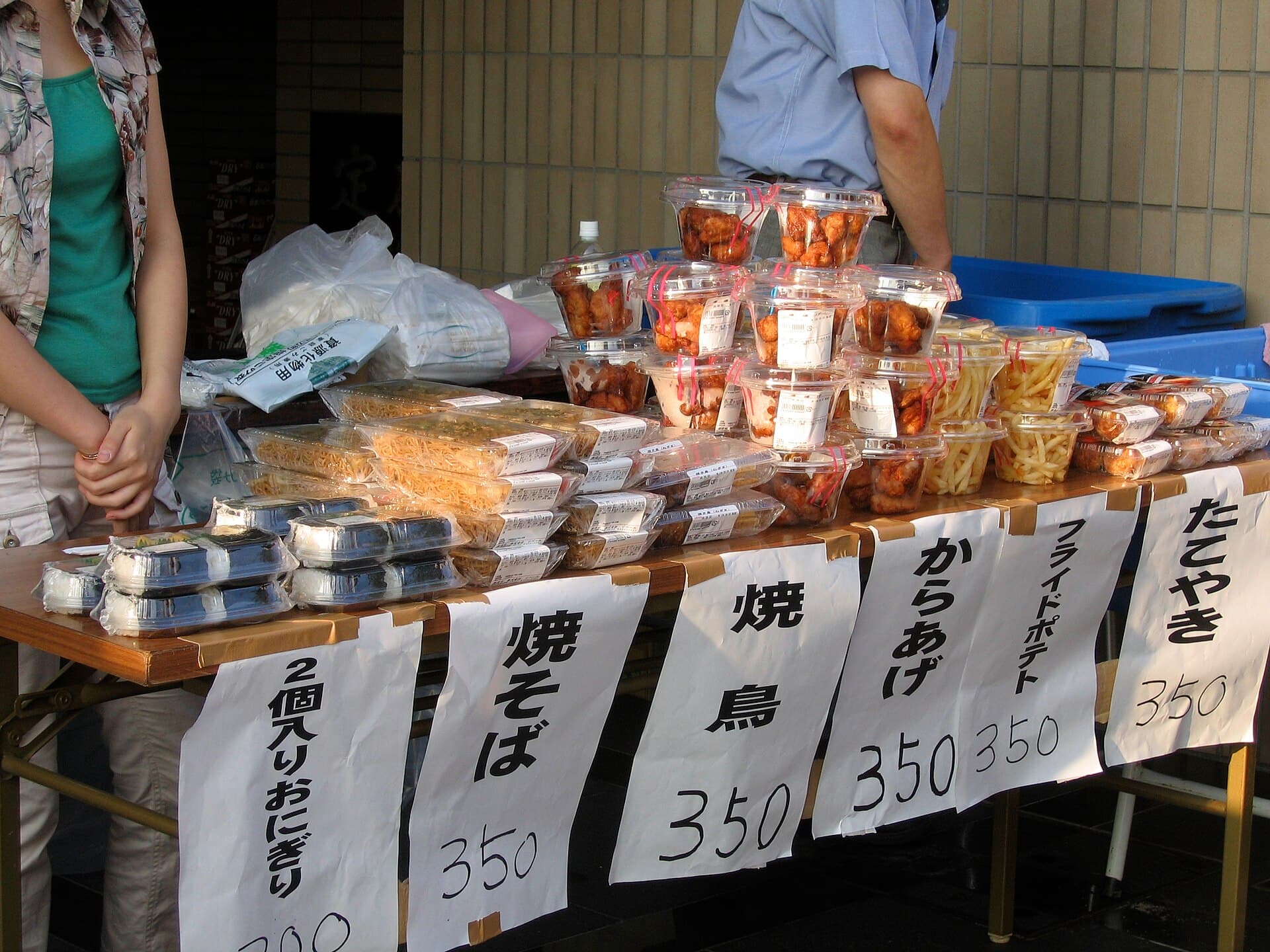
Why Neighborhood Food Festivals Are the Best Way to Try Japanese Cooking
A local Japanese food festival can be a smarter introduction than a pricey restaurant reservation. The best part is the chance to try a wider range of dishes, flavors, and community traditions in one afternoon.
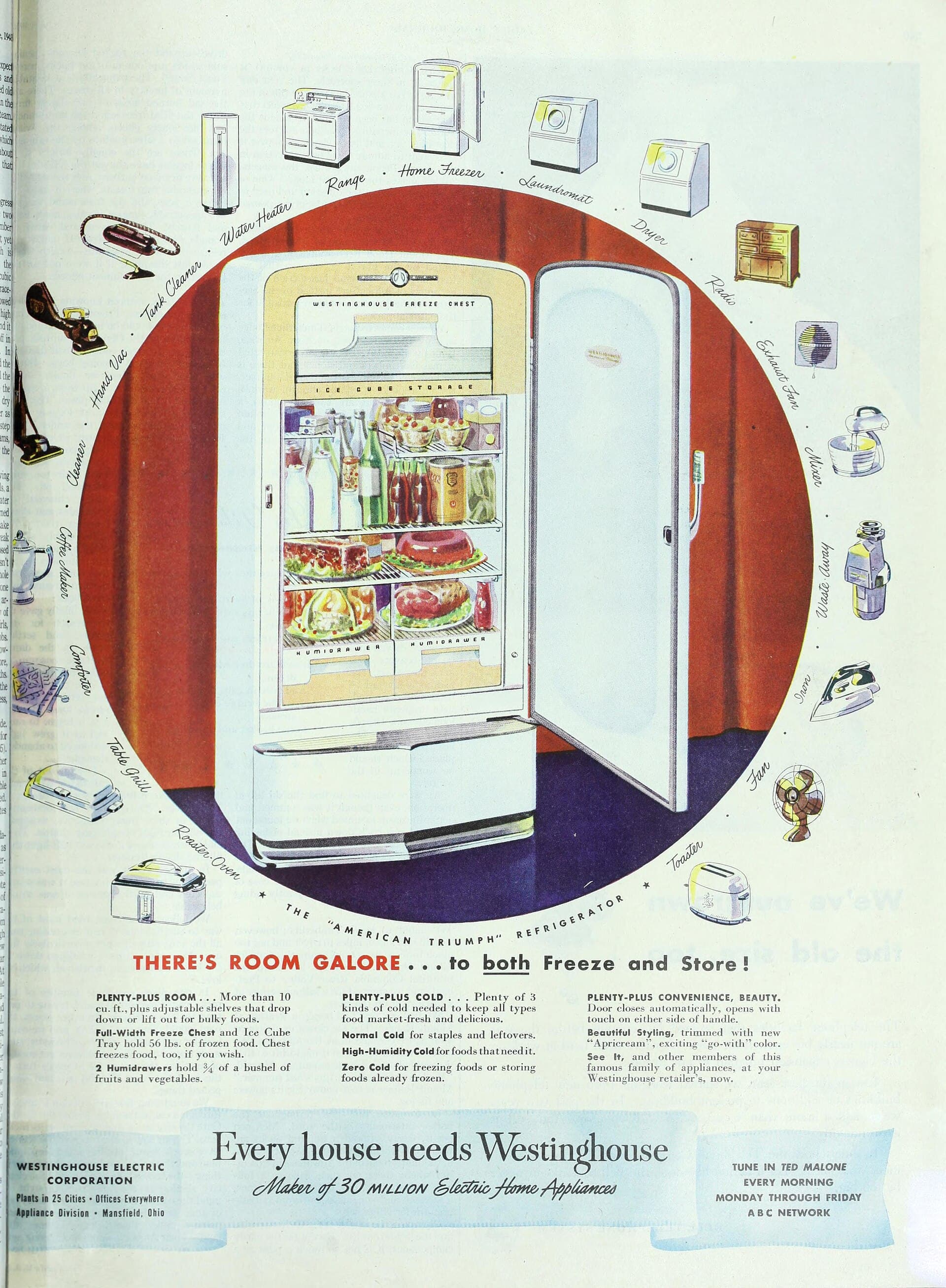
The Cheapest Meal Upgrade Is Learning to Cook What You Already Bought
A smarter kitchen starts before the grocery store and pays off all week. Using what’s already in the fridge can stretch a food budget without making meals feel like leftovers on repeat.

What Diners Should Look For Before Making a Food Truck Park a Regular Stop
When a food truck park becomes the center of online complaints, it’s a reminder that diners should pay attention to more than just the menu photos. A great food stop needs consistency, transparency, and a setup that works for both customers and vendors.