Why One Glass Hits Harder Than Another
That “big red” feeling isn’t always about the grape alone. For many drinkers, the worst next-day regret comes from a mix of alcohol level, pour size, sweetness, and how fast the bottle disappears.
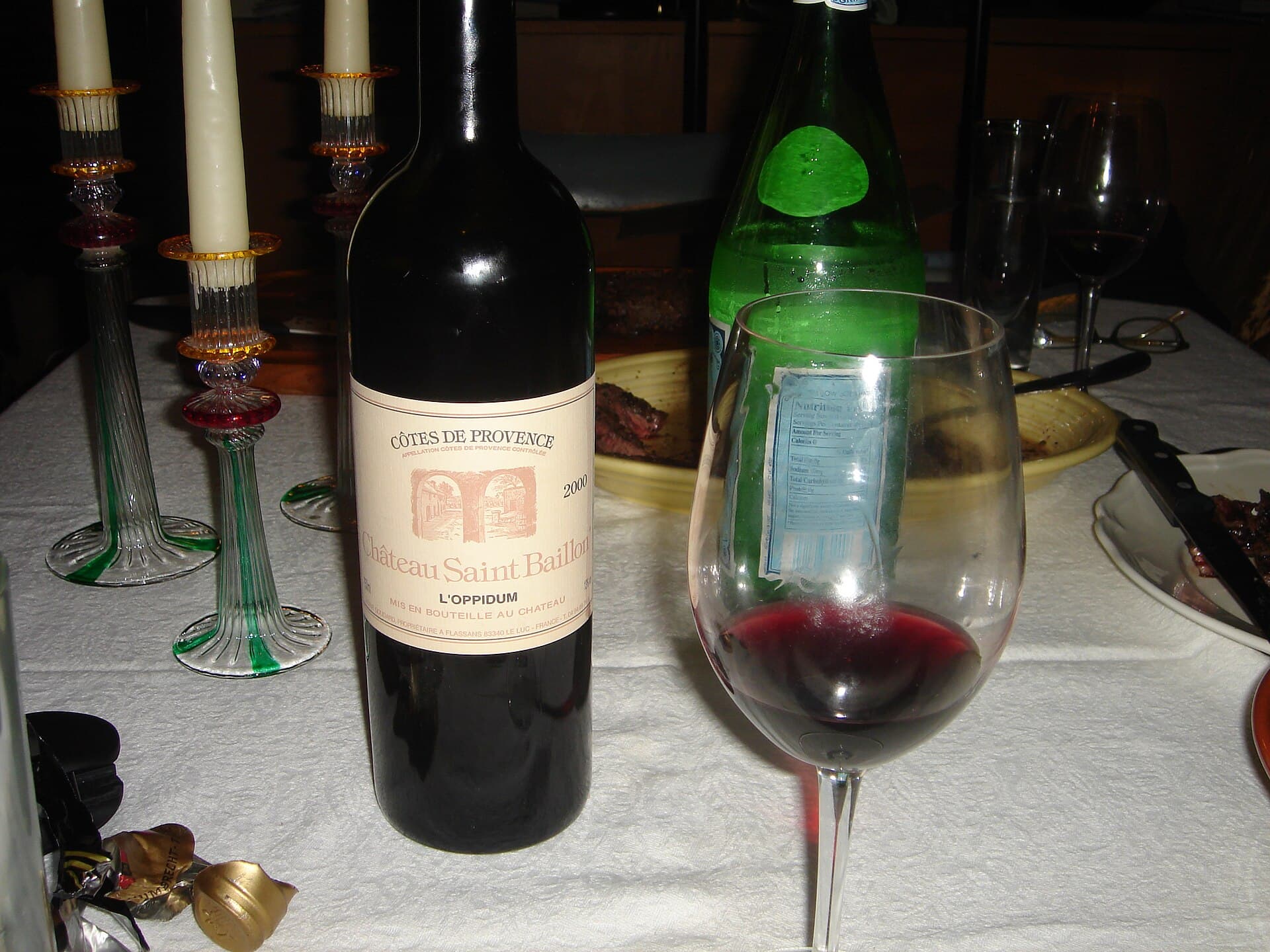
A bold red gets talked about like a personality type, but what most people actually notice is weight, ripeness, and alcohol. When a wine tastes plush, jammy, or a little sweet, it can go down faster than something leaner and more acidic. That matters because the difference between a relaxed dinner pour and an accidental heavy pour is often bigger than the difference between one grape and another.
paragraphs like these often get hijacked by miracle explanations, but the boring answer is usually the useful one: stronger wine, larger servings, not enough food, and not enough water are still the main troublemakers. Some people also seem more sensitive to certain compounds in red wine, especially if they notice headaches quickly, but that doesn’t cancel out the basics. If the bottle is high in alcohol and the glasses are generous, the morning after is rarely mysterious.
If you’re trying to enjoy red wine without paying for it tomorrow, it helps to shop and pour with a little less romance. Look at the alcohol percentage, choose a smaller glass when you’re tired or eating late, and pay attention to whether a wine feels drying and savory or rich and almost dessert-like. Two wines can sit on the same shelf and drink very differently once dinner starts.
The practical takeaway is that “bold” is not automatically bad, and lighter isn’t automatically safer if you drink more of it. But if you know you tend to regret dense, boozy reds, believe your own pattern instead of chasing wine-snob mythology. A good bottle should make the evening better, not turn the next day into damage control.
Photo: Curt Gibbs via Wikimedia Commons (CC BY 2.0).

Related stories
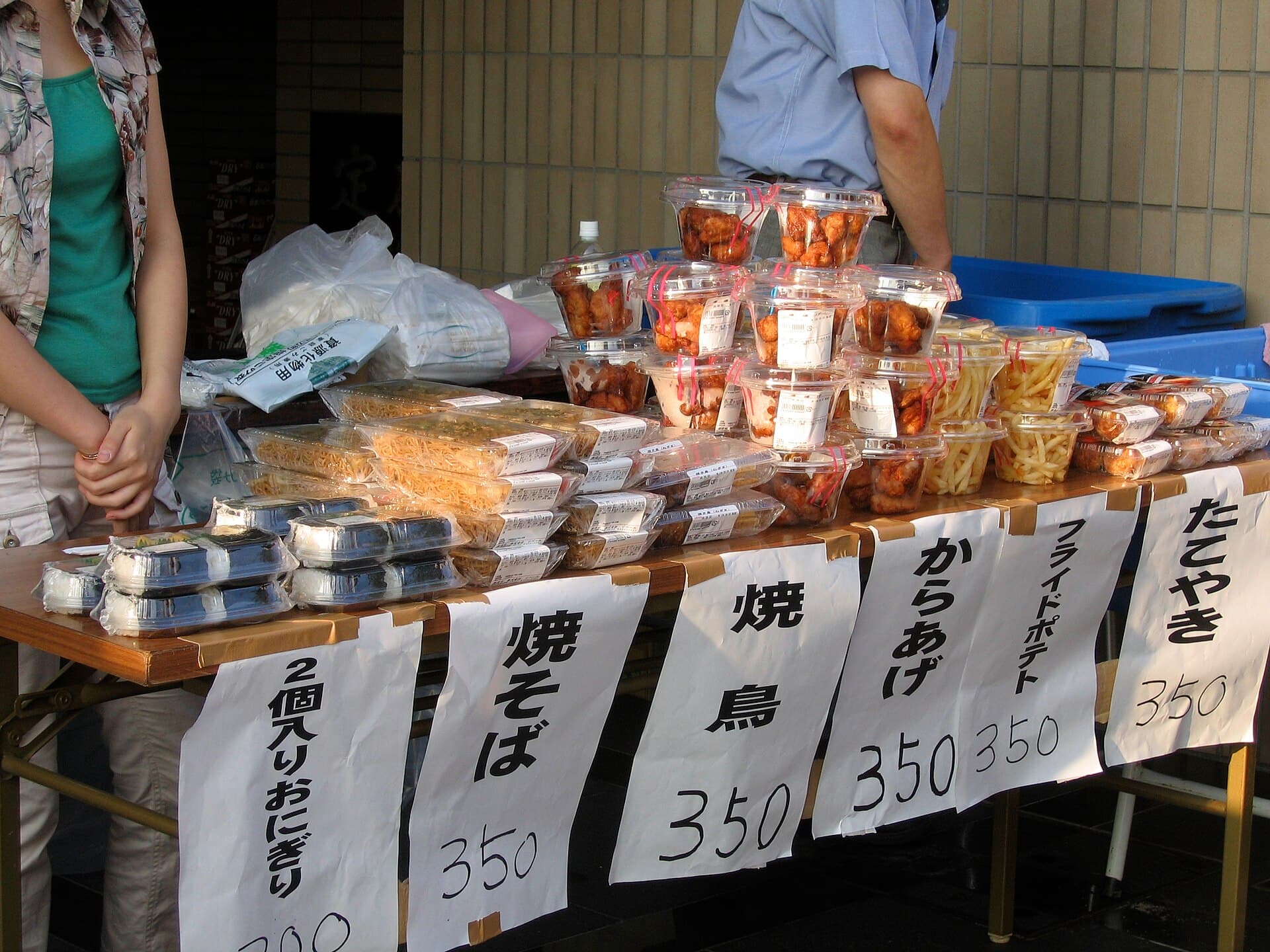
Why Neighborhood Food Festivals Are the Best Way to Try Japanese Cooking
A local Japanese food festival can be a smarter introduction than a pricey restaurant reservation. The best part is the chance to try a wider range of dishes, flavors, and community traditions in one afternoon.
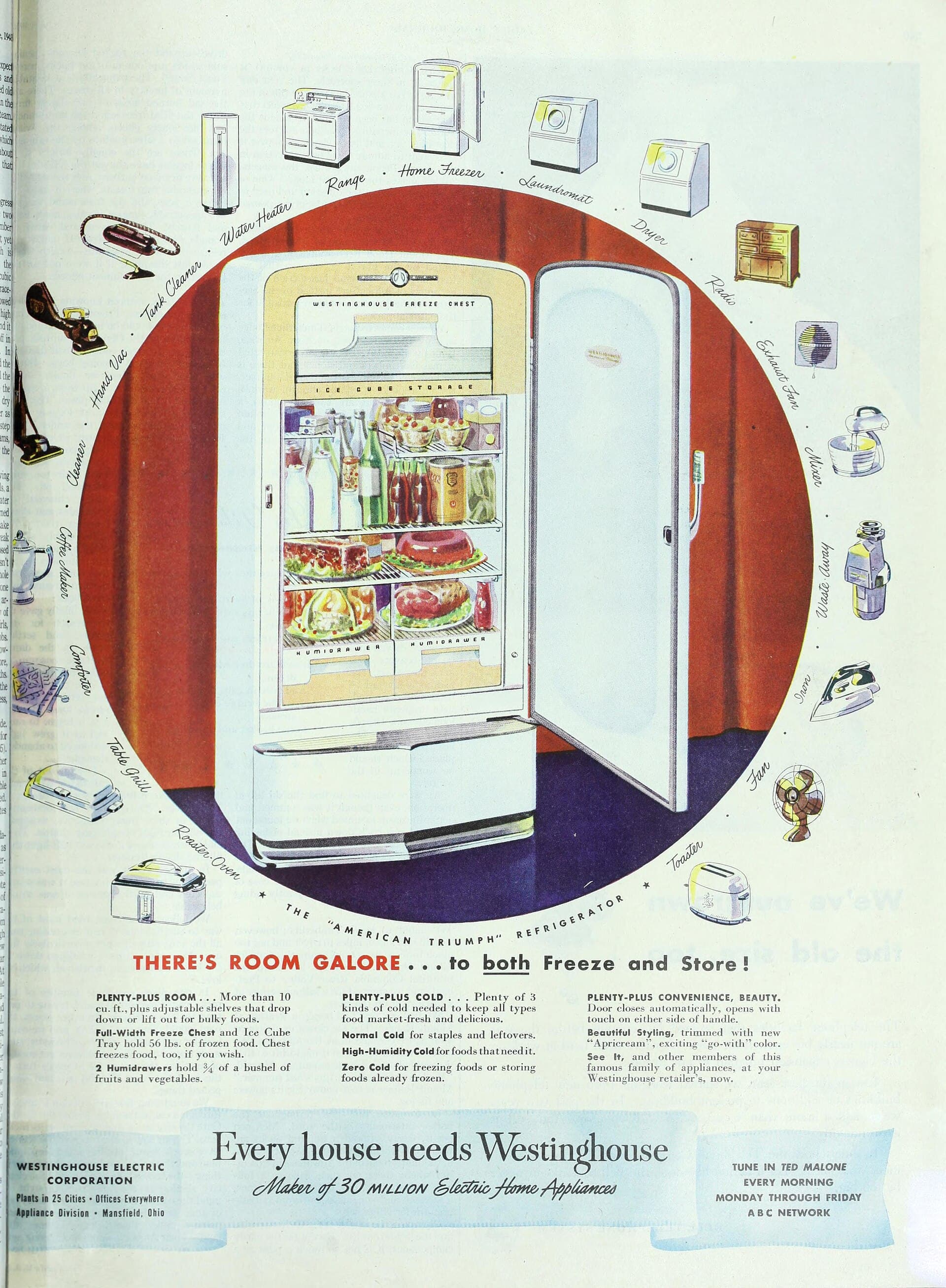
The Cheapest Meal Upgrade Is Learning to Cook What You Already Bought
A smarter kitchen starts before the grocery store and pays off all week. Using what’s already in the fridge can stretch a food budget without making meals feel like leftovers on repeat.

What Diners Should Look For Before Making a Food Truck Park a Regular Stop
When a food truck park becomes the center of online complaints, it’s a reminder that diners should pay attention to more than just the menu photos. A great food stop needs consistency, transparency, and a setup that works for both customers and vendors.