Why Salad Panic Is the Worst Kind of Food Advice
When food headlines turn one ingredient into a villain, shoppers are left more confused than protected. For most people, smarter kitchen habits beat blanket fear every time.
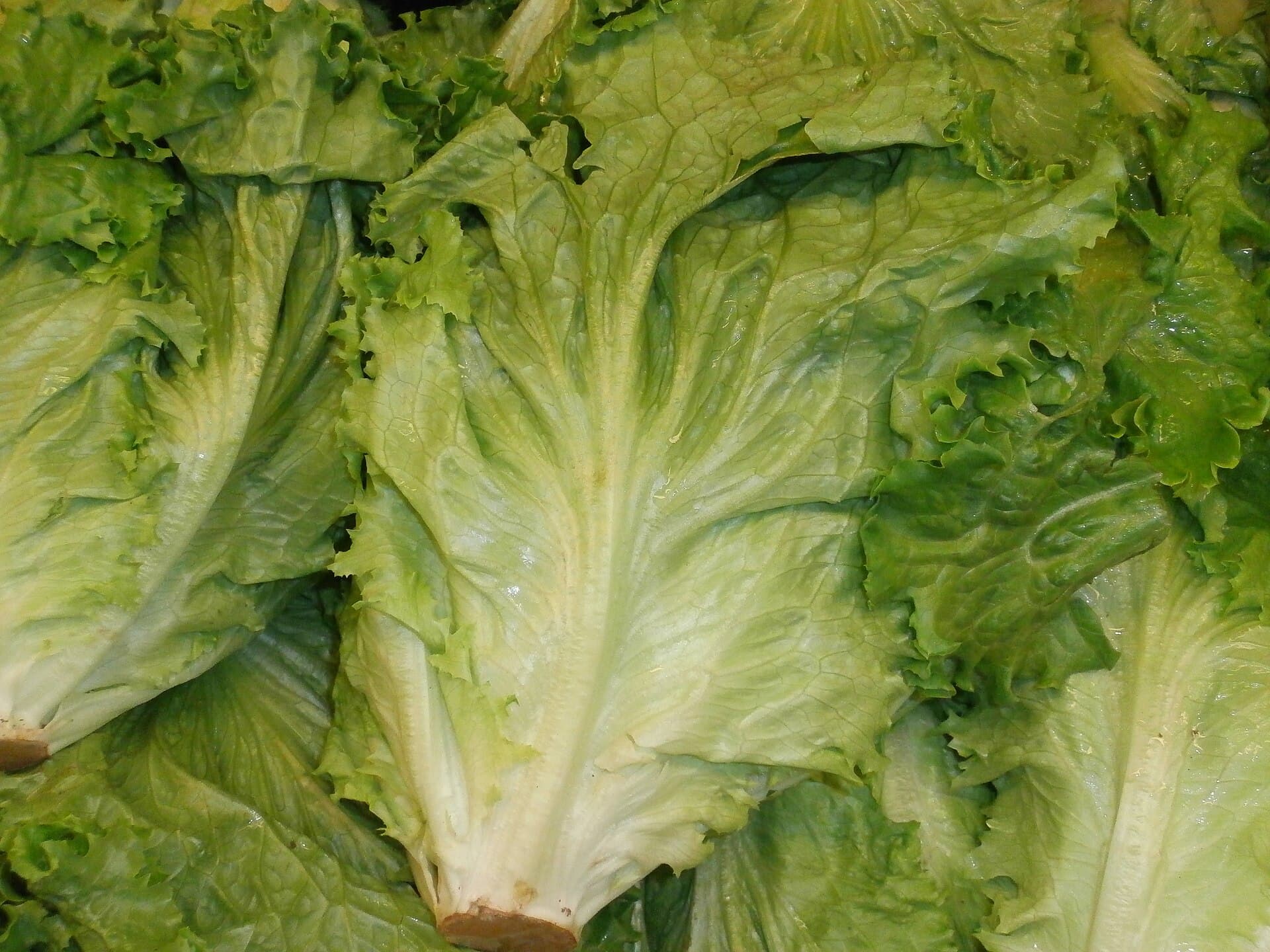
Americans are already trying to stretch grocery budgets, cook a little healthier, and avoid wasting food. That gets much harder when public food talk turns everyday ingredients into symbols of danger. Lettuce is a good example: it’s not exciting, it’s not trendy, and it certainly shouldn’t require a political decoding guide just to decide what to pack for lunch.
There’s a difference between taking food safety seriously and treating a whole category of fresh produce like a bad bet. Consumers do deserve clear warnings when there’s a real contamination issue, a recall, or a specific outbreak tied to a brand or growing region. What they don’t need is a haze of suspicion that makes basic produce shopping feel reckless, especially when the practical advice is usually the same: check recall notices, buy from stores that handle produce well, refrigerate promptly, and wash what should be washed.
The bigger problem with broad-brush fear is that it pushes people toward worse habits without saying so directly. If someone skips greens because the messaging sounds alarming, they often don’t replace that salad with some ideal farm-to-table alternative. They replace it with something shelf-stable, ultra-processed, or takeout-heavy because it feels simpler and safer. That may be understandable, but it’s not exactly a win for everyday eating.
Good food messaging should make normal decisions easier, not harder. Tell people what the actual risk is, what product is affected, and what to do right now. If the goal is healthier households, then clarity beats drama every time. Most shoppers can handle nuance; what they’re tired of is being told to fear the produce aisle one week and fix their diets the next.
Photo: Jeffery Martin via Wikimedia Commons (CC0).

Related stories
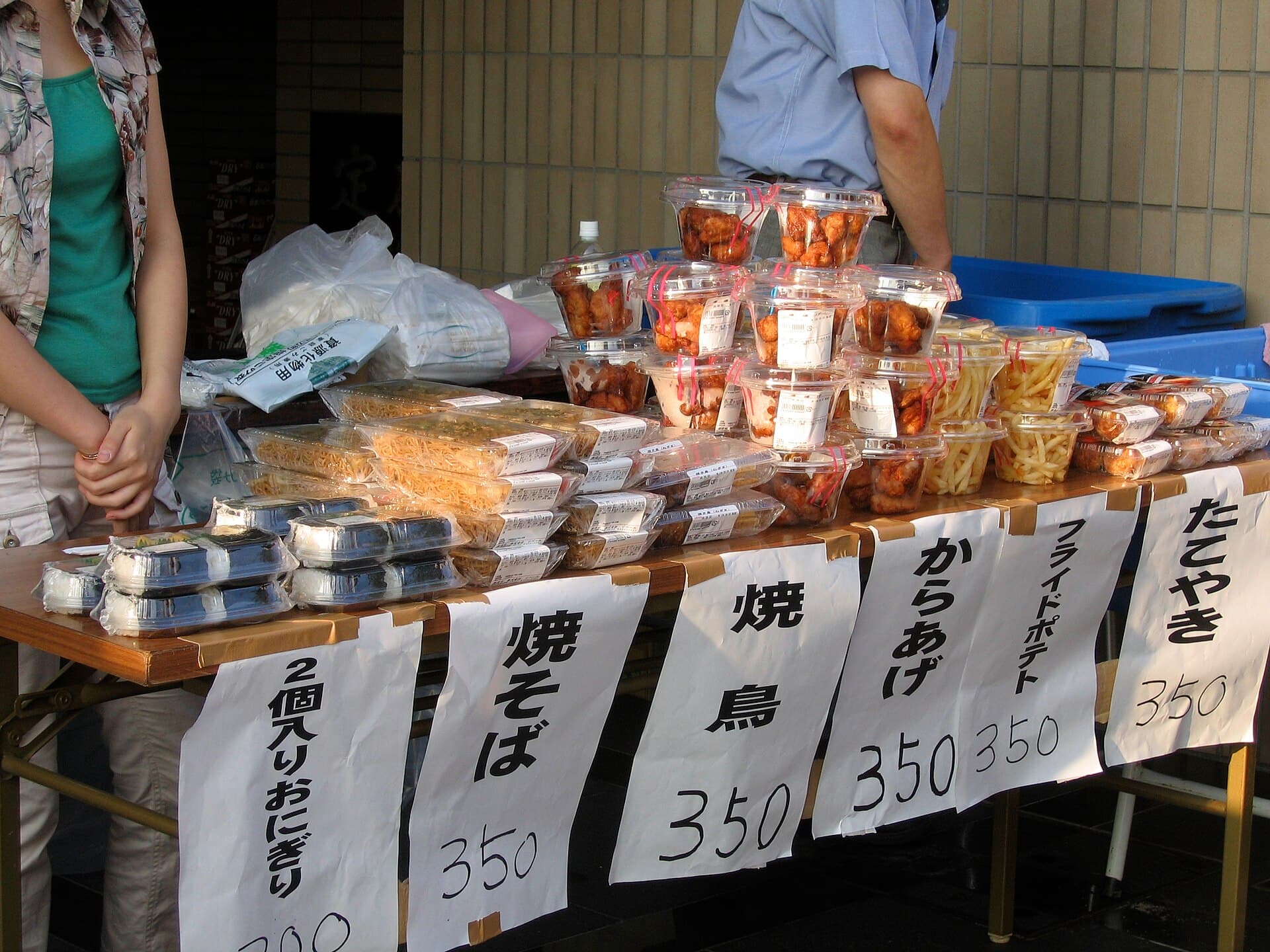
Why Neighborhood Food Festivals Are the Best Way to Try Japanese Cooking
A local Japanese food festival can be a smarter introduction than a pricey restaurant reservation. The best part is the chance to try a wider range of dishes, flavors, and community traditions in one afternoon.
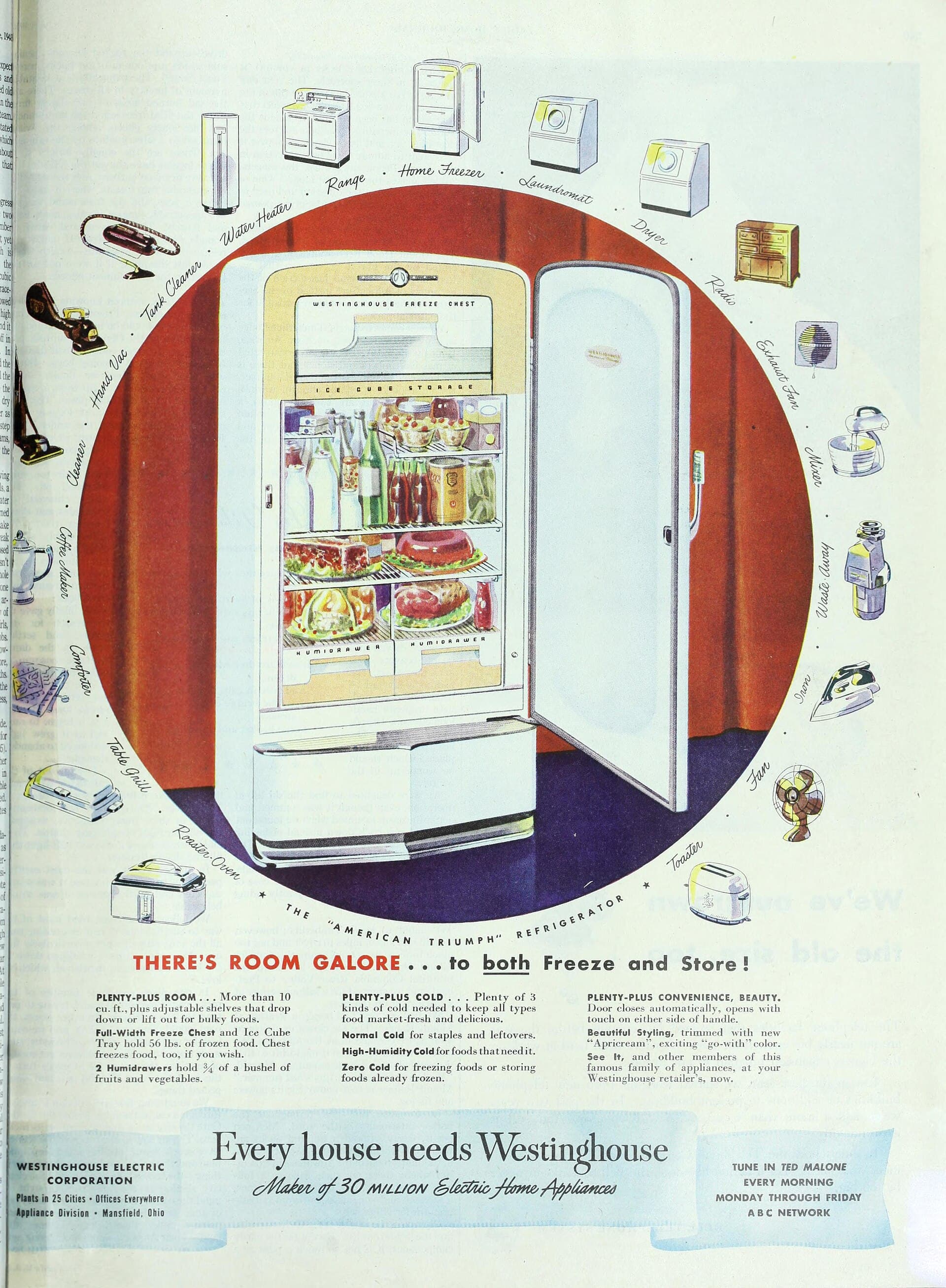
The Cheapest Meal Upgrade Is Learning to Cook What You Already Bought
A smarter kitchen starts before the grocery store and pays off all week. Using what’s already in the fridge can stretch a food budget without making meals feel like leftovers on repeat.

What Diners Should Look For Before Making a Food Truck Park a Regular Stop
When a food truck park becomes the center of online complaints, it’s a reminder that diners should pay attention to more than just the menu photos. A great food stop needs consistency, transparency, and a setup that works for both customers and vendors.