Why Shoppers Are Asking Harder Questions About Fur Again
Fur is creeping back into fashion conversation, but most shoppers care less about runway shock and more about what they’re actually buying. The real style move now is knowing how to read materials, labels, and secondhand listings before you spend.
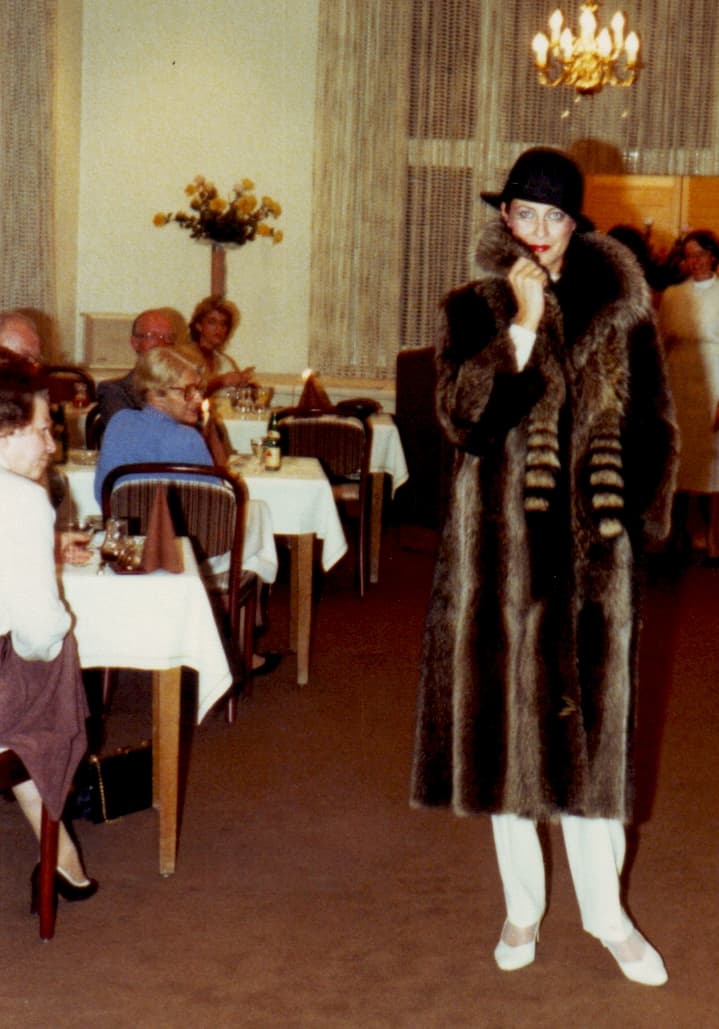
For most Americans, the return of fur as a fashion talking point is less about catwalk drama and more about confusing shopping choices. A trim on a hood, a fuzzy slide sandal, a vintage coat on a resale app, or a “shearling” label that may or may not mean what you think it means—this is where the issue actually shows up in daily life. If brands are going to flirt with fur again, shoppers deserve clearer labeling and fewer euphemisms.
The practical question is not whether a runway wants attention. It’s whether a customer can tell the difference between faux fur, recycled synthetics, shearling, leather with hair, and true fur when scrolling a product page for ten seconds. In a market full of blended materials and soft-focus marketing language, the smartest move is to slow down and check the fiber content, care instructions, and exact material description before buying. If a listing sounds vague, that usually tells you something.
There’s also a generational split in how people see this category. Some shoppers treat vintage fur as reuse, not new demand; others want nothing to do with it and prefer modern faux options that don’t carry the same ethical baggage. Both instincts are understandable. What feels out of step is when brands act as if consumers won’t notice the difference, or won’t care enough to ask.
The bigger trend here is that fashion shoppers are more informed than many labels give them credit for. They want warmth, texture, and durability, but they also want transparency. In the US market, the brands that win this debate probably won’t be the loudest. They’ll be the ones that label products plainly, avoid material sleight of hand, and let customers decide with their eyes open.
Photo: Fahni (talk) 07:34, 2 November 2010 (UTC) via Wikimedia Commons (Public domain).
.jpg)
Related stories

The Best Trend in Fashion Right Now Is Looking Unbothered
The most wearable runway idea this season isn’t a single item—it’s the return of clothes that look lived in, easy, and ready for an actual day. For shoppers, that means buying less fantasy and more pieces that earn repeat wear.
The Best Closet Upgrade Might Be Someone Else’s Return Pile
For shoppers tired of flimsy trends and constant micro-hauls, thrift stores offer a slower, smarter way to buy clothes. The real appeal isn’t just saving money—it’s finding pieces that actually deserve closet space.

Why Independent Fashion Labels Need Community More Than Hype
Big fashion headlines can distract from the fragile reality of independent labels. For shoppers, the most meaningful support often looks less like chasing trends and more like showing up for small brands consistently.