Why Shoppers Are Treating Fast Fashion Like a Treasure Hunt
As big apparel platforms chase more growth, US shoppers are getting more strategic about what counts as a real deal. The smartest buys in fast fashion now come down to timing, quality clues, and knowing when to skip the cart.
Fast fashion keeps selling the same fantasy: newness, cheaply and constantly. But for a lot of US shoppers, the appeal is shifting from impulse buying to deal hunting with rules. People still like the thrill of finding a trendy piece for less, yet they’re also quicker to ask whether a fabric will survive more than a few washes or whether a return will be more trouble than the discount is worth.
That change matters because a low sticker price is not automatically a bargain. In apparel, the real value often comes from basics that can handle repeat wear: plain tees, workout layers, sleepwear, or simple accessories that fill a gap without demanding a big investment. The trendy statement item can still be fun, but it makes more sense when it’s treated like a short-term style experiment instead of a wardrobe foundation.
The practical shopper’s edge is knowing how to slow the scroll. Check fabric composition, scan recent reviews for fit consistency, and pay attention to shipping windows before getting seduced by a promo banner. If an item looks heavily filtered, has vague sizing, or only makes sense because the markdown looks dramatic, that’s usually a sign to move on rather than convince yourself it’s a steal.
Fast fashion is probably not going away, but shoppers are getting sharper about how they use it. The best deal mindset right now is less about hauling the most pieces and more about editing hard: buy fewer items, choose the ones that solve a real wardrobe need, and leave room in the budget for staples that won’t feel disposable by next month. That’s not anti-trend—it’s just smarter shopping.
Photo: Rafał Siciński via Wikimedia Commons (CC BY-SA 4.0).

Related stories

The Best Trend in Fashion Right Now Is Looking Unbothered
The most wearable runway idea this season isn’t a single item—it’s the return of clothes that look lived in, easy, and ready for an actual day. For shoppers, that means buying less fantasy and more pieces that earn repeat wear.
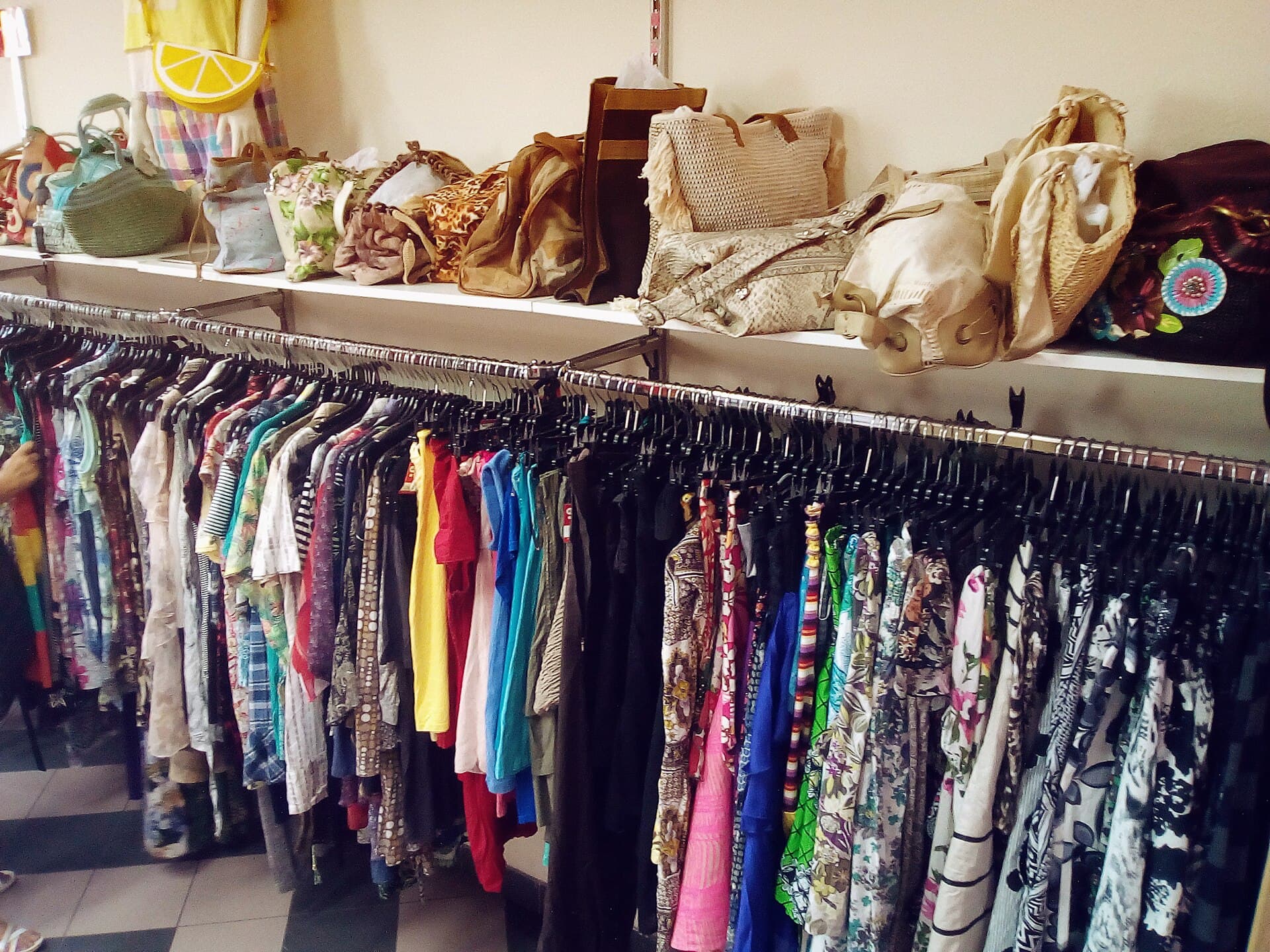
The Best Closet Upgrade Might Be Someone Else’s Return Pile
For shoppers tired of flimsy trends and constant micro-hauls, thrift stores offer a slower, smarter way to buy clothes. The real appeal isn’t just saving money—it’s finding pieces that actually deserve closet space.

Why Independent Fashion Labels Need Community More Than Hype
Big fashion headlines can distract from the fragile reality of independent labels. For shoppers, the most meaningful support often looks less like chasing trends and more like showing up for small brands consistently.