Why Smaller Wine Lists Feel Smarter Right Now
For many drinkers, the most appealing part of wine right now is simplicity: shorter lists, clearer styles, and bottles that feel worth opening on a weeknight. The winners are the shops, restaurants, and makers making wine easier to choose without dumbing it down.
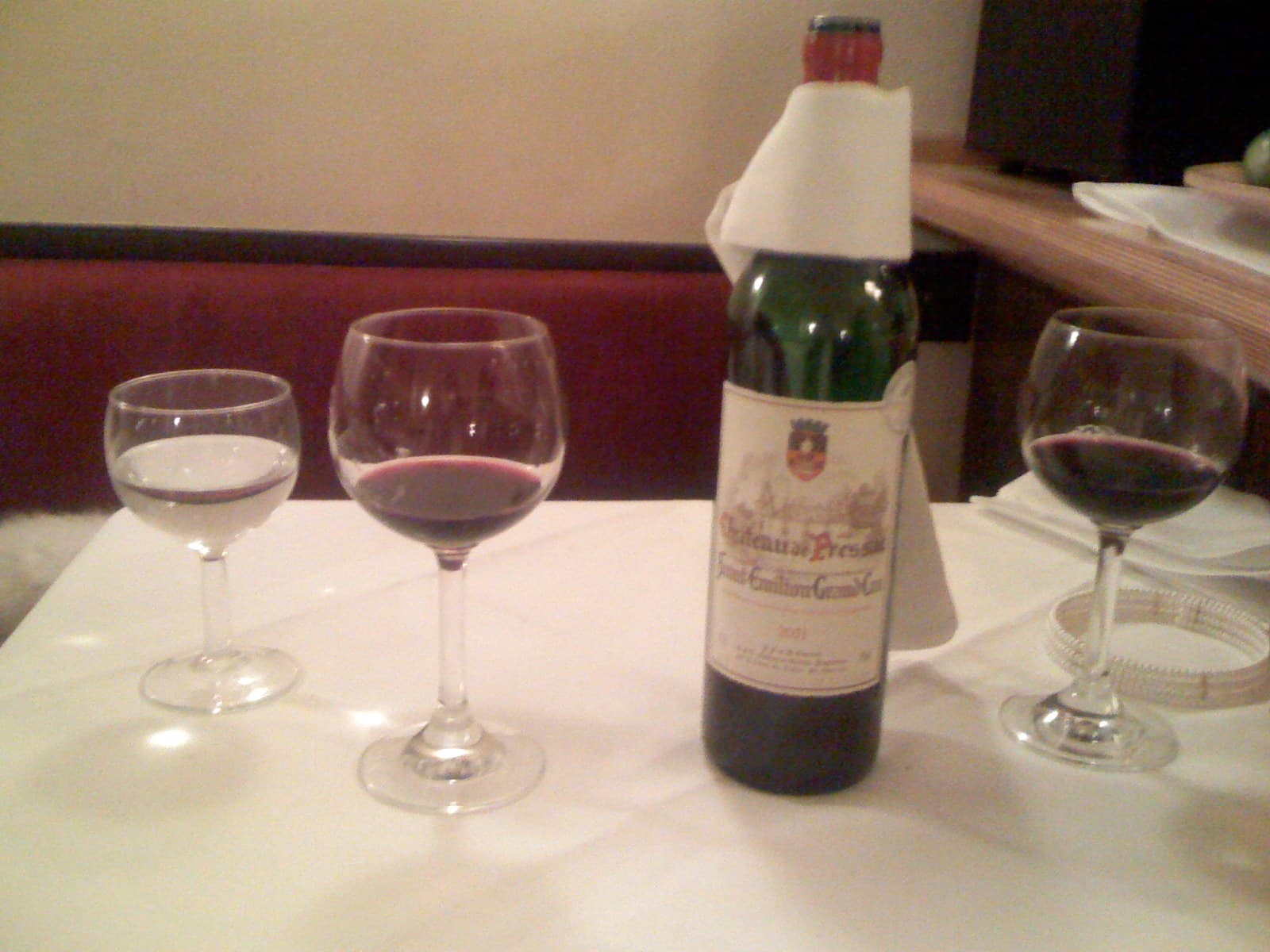
A lot of wine culture spent years acting like more choice was always better: more regions, more labels, more jargon, more pressure to get it right. For everyday drinkers, that can turn a nice glass of red into a small homework assignment. What seems to be landing better now is the opposite approach: tighter selections, more direct recommendations, and wines that fit real life instead of fantasy cellar talk.
That shift matters most in restaurants and neighborhood wine shops. A list doesn’t need to be enormous to be good; it needs to be edited with confidence. When a menu offers a handful of bottles that each have a clear personality, people are more likely to order with curiosity instead of fear. The same goes for retail shelves that explain whether a wine is crisp, earthy, juicy, or full-bodied in plain English. Shoppers want guidance, not a test.
There’s also a practical side to what works. Plenty of people still want wine, but they want it to earn its place alongside rising grocery bills and expensive nights out. That makes value feel less like a bargain-bin concept and more like the main event. A bottle that tastes distinctive, pairs easily with takeout or roast chicken, and doesn’t require a special occasion has a better shot than something sold mainly on prestige.
In other words, wine does best when it behaves less like a status symbol and more like a dependable pleasure. The producers and sellers who seem positioned well are the ones treating drinkers like adults with budgets, busy schedules, and decent taste. Make the bottle approachable, keep the quality high, and leave some room for discovery, and wine starts feeling fun again.
Photo: Jacob Bøtter via Wikimedia Commons (CC BY 2.0).

Related stories
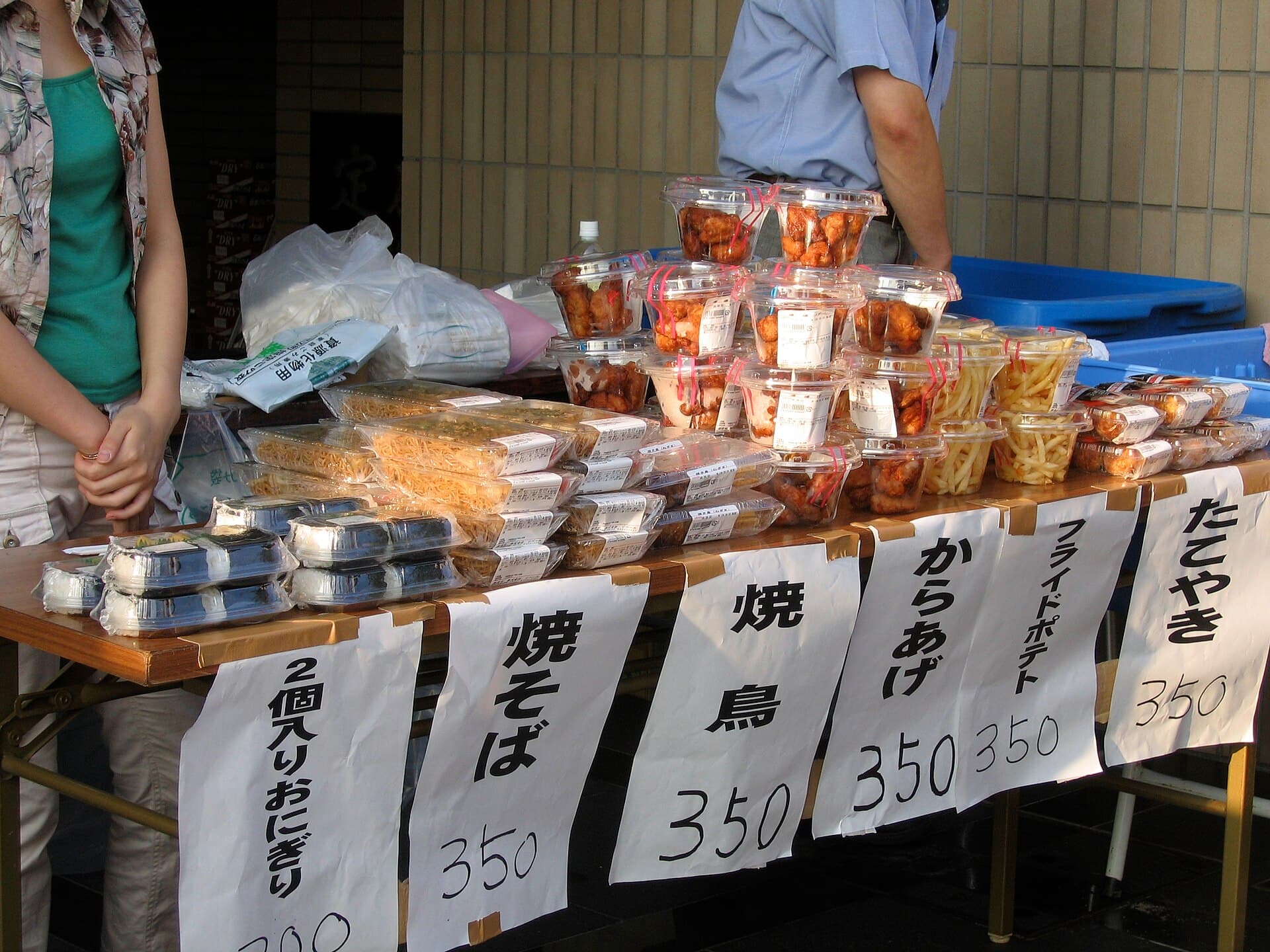
Why Neighborhood Food Festivals Are the Best Way to Try Japanese Cooking
A local Japanese food festival can be a smarter introduction than a pricey restaurant reservation. The best part is the chance to try a wider range of dishes, flavors, and community traditions in one afternoon.
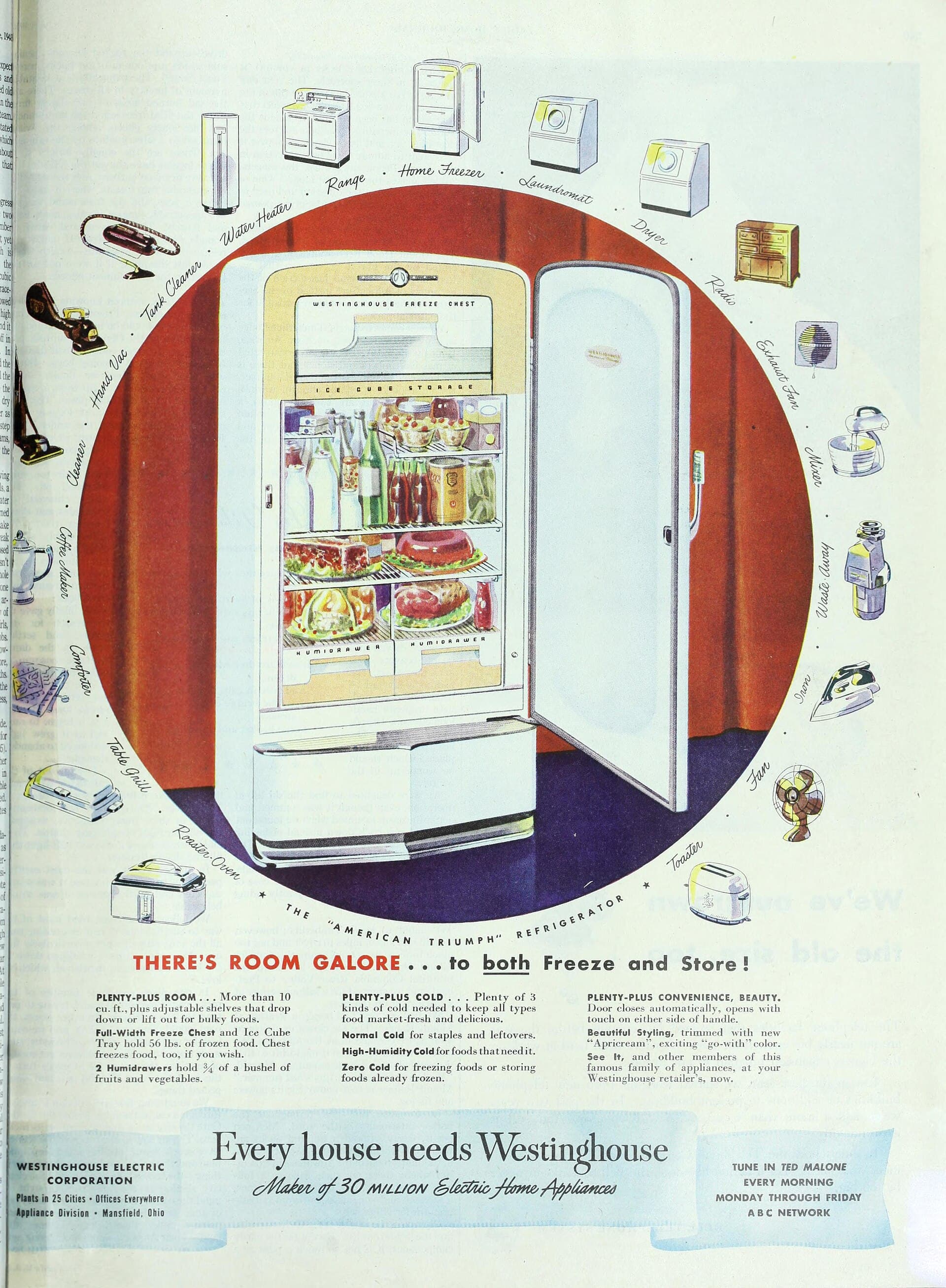
The Cheapest Meal Upgrade Is Learning to Cook What You Already Bought
A smarter kitchen starts before the grocery store and pays off all week. Using what’s already in the fridge can stretch a food budget without making meals feel like leftovers on repeat.

What Diners Should Look For Before Making a Food Truck Park a Regular Stop
When a food truck park becomes the center of online complaints, it’s a reminder that diners should pay attention to more than just the menu photos. A great food stop needs consistency, transparency, and a setup that works for both customers and vendors.