Why Soft Tailoring Keeps Winning in Everyday Style
The latest luxury menswear moment points to a broader truth: polished clothes work best when they still feel easy. For US shoppers, that makes soft tailoring one of the smartest style moves to watch right now.
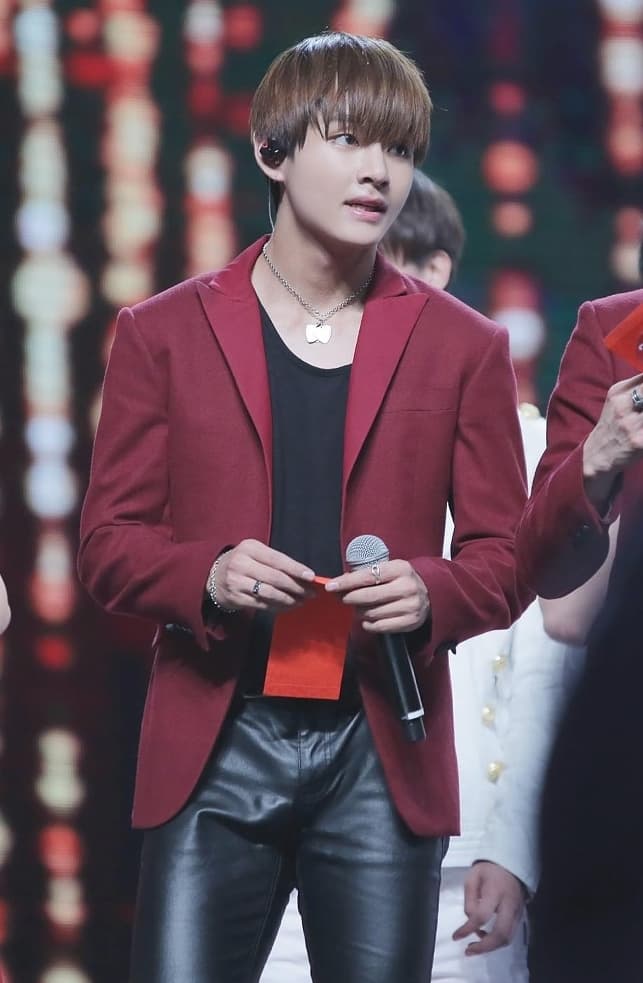
Fashion campaigns often feel far away from real life, but the most convincing ones usually land on a simple idea: clothes look better when they don’t seem stiff. That is exactly why soft tailoring keeps showing up as the modern version of dressing well. A relaxed blazer, fluid trousers, and clean layers can read expensive without looking overdone, which is a big reason this look connects beyond the runway or a celebrity ad.
For US readers, the practical takeaway is that tailoring no longer has to mean formalwear. The best pieces right now sit in the middle ground between office-ready and off-duty: jackets with less structure, wider trousers with movement, and shirts or knits that keep the outfit from feeling too sharp. It is a useful shift because these are the kinds of clothes that can stretch across more situations, from dinner plans to creative workplaces to travel days when you still want to look put together.
This also helps explain why luxury fashion keeps circling back to fit instead of flash. A quieter outfit can still make a strong impression if the proportions are right. Slightly roomier pants, a jacket that skims instead of squeezes, and a neutral palette can do more for personal style than another logo-heavy trend. For shoppers trying to buy less but wear things more often, that is good news.
If there is a smart way to shop this mood, it is to focus on shape before statement. Look for pieces that feel comfortable the moment you put them on, then build around them with simple shoes, a solid tee, or a lightweight button-down. The result is the kind of wardrobe update that feels current without demanding a full reinvention, and that is usually where the best apparel trends earn their staying power.
Photo: Taehyung's Moment via Wikimedia Commons (CC BY 4.0).
_at_TTV_Red_and_White_in_Taipei-Taiwan_2016_03.jpg)
Related stories

The Best Trend in Fashion Right Now Is Looking Unbothered
The most wearable runway idea this season isn’t a single item—it’s the return of clothes that look lived in, easy, and ready for an actual day. For shoppers, that means buying less fantasy and more pieces that earn repeat wear.
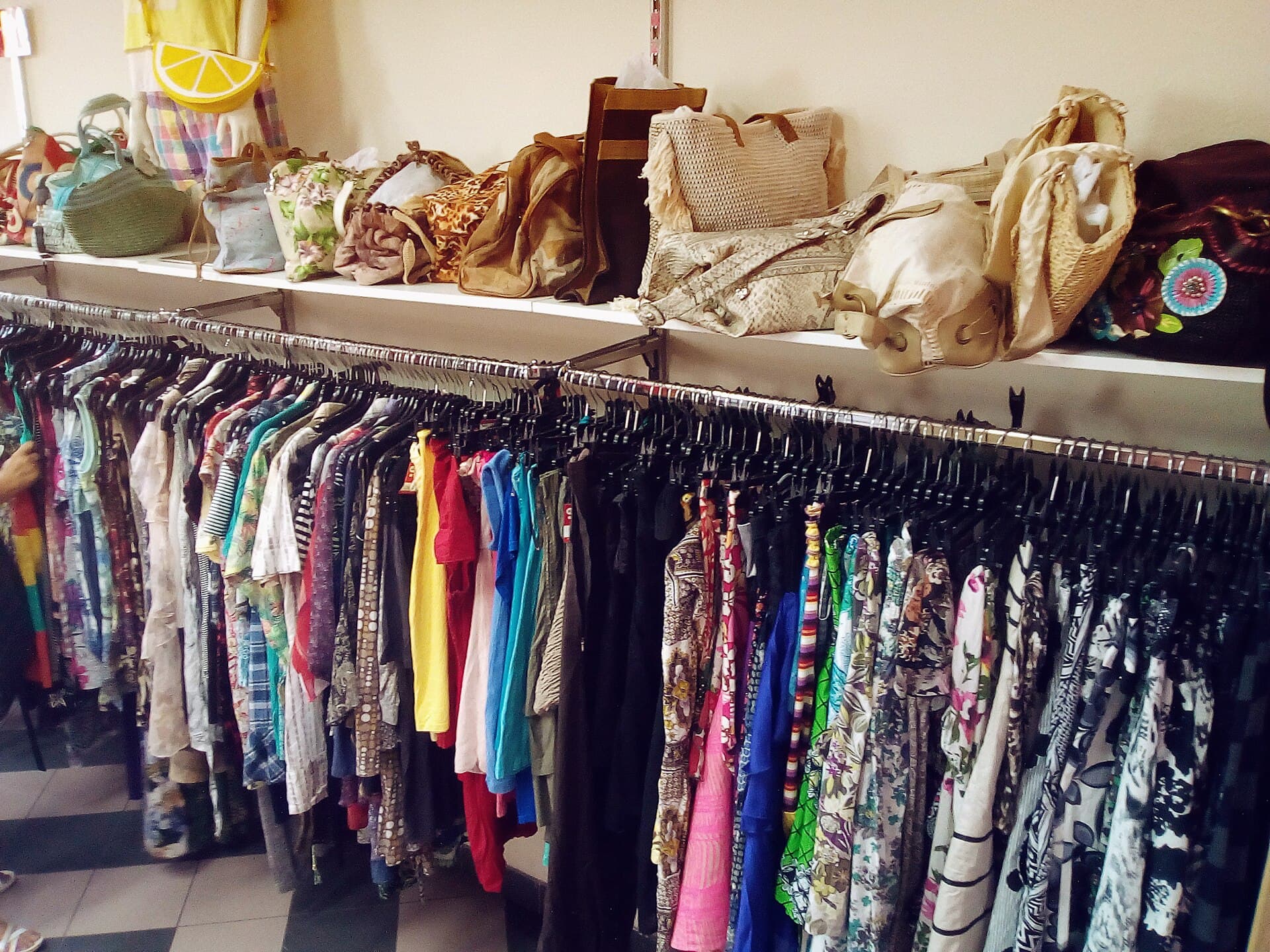
The Best Closet Upgrade Might Be Someone Else’s Return Pile
For shoppers tired of flimsy trends and constant micro-hauls, thrift stores offer a slower, smarter way to buy clothes. The real appeal isn’t just saving money—it’s finding pieces that actually deserve closet space.
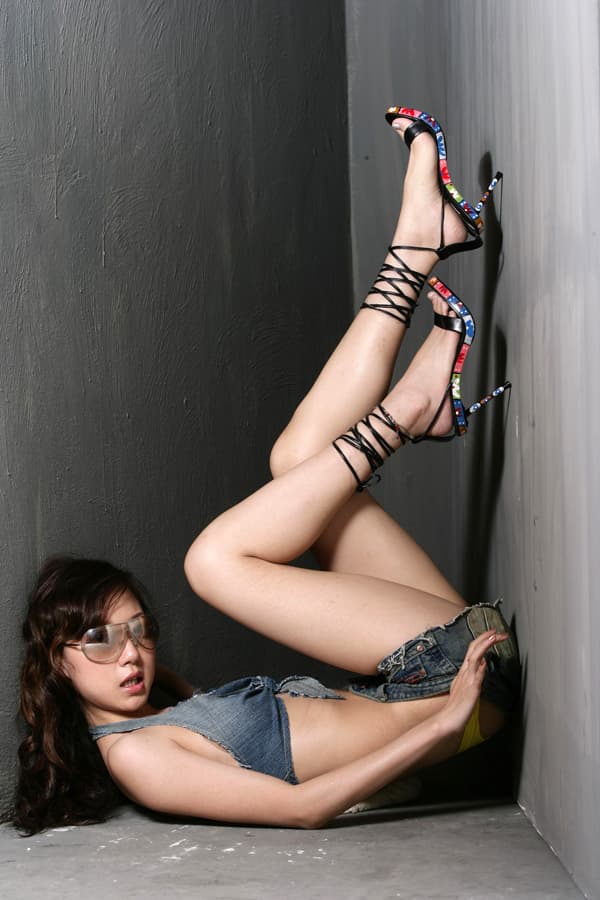
Why Independent Fashion Labels Need Community More Than Hype
Big fashion headlines can distract from the fragile reality of independent labels. For shoppers, the most meaningful support often looks less like chasing trends and more like showing up for small brands consistently.