Why the Grocery Budget Feels Broken Even When You Plan Ahead
For many households, food shopping no longer feels like a matter of discipline so much as damage control. When staples keep getting pricier, smart habits still help, but they can’t do all the work alone.
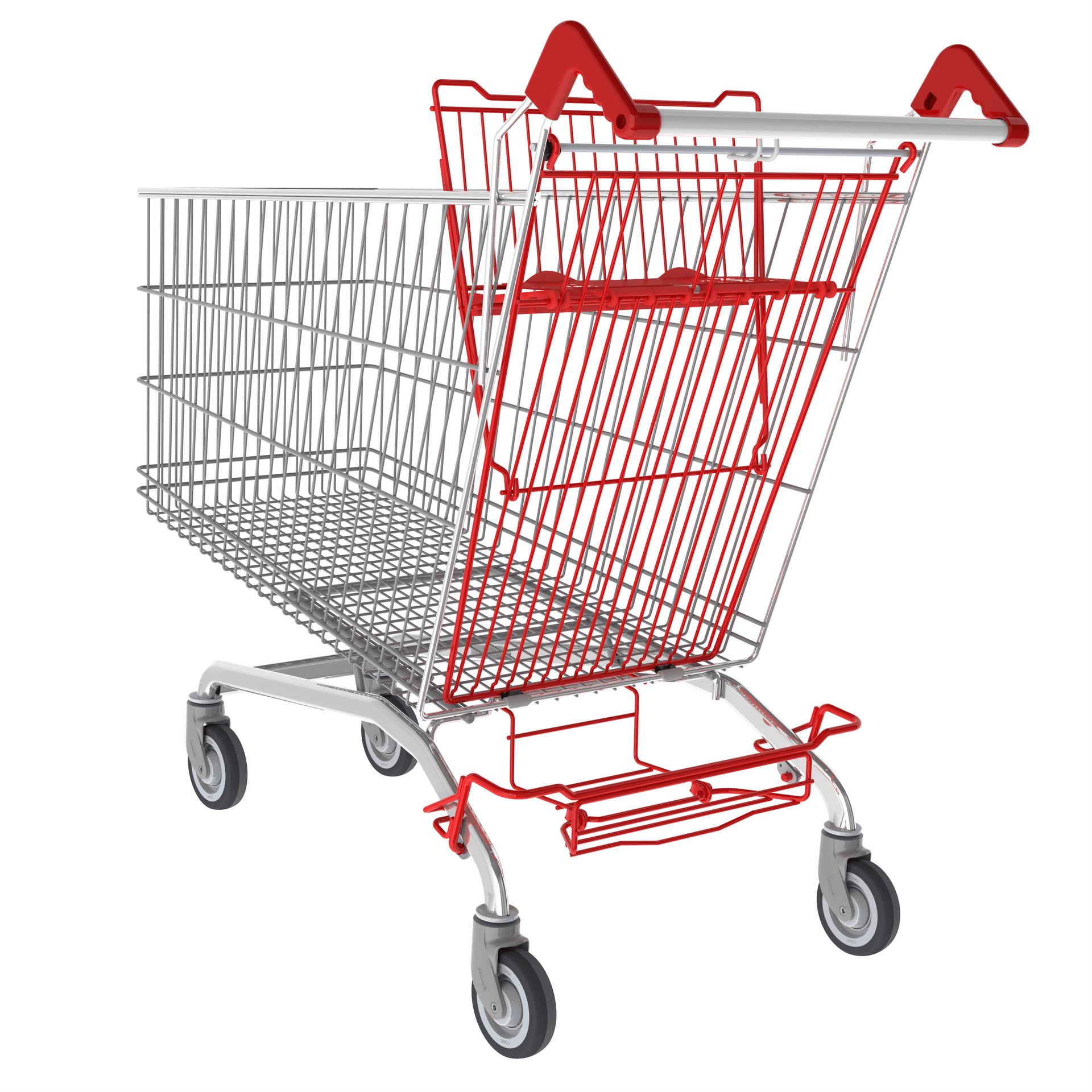
A lot of money advice still treats grocery shopping like a simple budgeting exercise: make a list, cook at home, stop impulse buying. Those habits matter, but they also feel increasingly disconnected from how people actually shop now. When basics cost more week after week, even careful shoppers can leave the store feeling like they somehow failed a test they studied for.
The hard truth is that food stress changes how a household functions. People start stretching meals, buying fewer fresh items because they spoil too fast, or choosing whatever keeps everyone full the longest. That isn’t bad planning; it’s practical survival. There’s also a real emotional toll when every supermarket trip turns into a math problem, especially for families trying to balance kids’ preferences, work schedules, and nutrition at the same time.
The most useful response is often less about perfect frugality and more about building a repeatable fallback menu. A short rotation of low-effort meals using pantry staples, frozen vegetables, eggs, beans, rice, pasta, and whatever protein is on hand can reduce waste and take some pressure off decision-making. Shopping your own freezer first, comparing unit prices instead of package prices, and treating convenience foods as strategic tools rather than guilty pleasures can also make a tight week more manageable.
But it’s worth saying plainly: no amount of clever meal prep fully solves a food cost problem when the gap between paychecks and pantry needs keeps widening. Readers don’t need another lecture about skipping lattes; they need realistic ways to stay fed without shame. In this moment, practical food culture is less about gourmet hacks and more about preserving dignity, flexibility, and a little peace at dinnertime.
Photo: Caddiedrusenheim via Wikimedia Commons (CC BY-SA 4.0).

Related stories
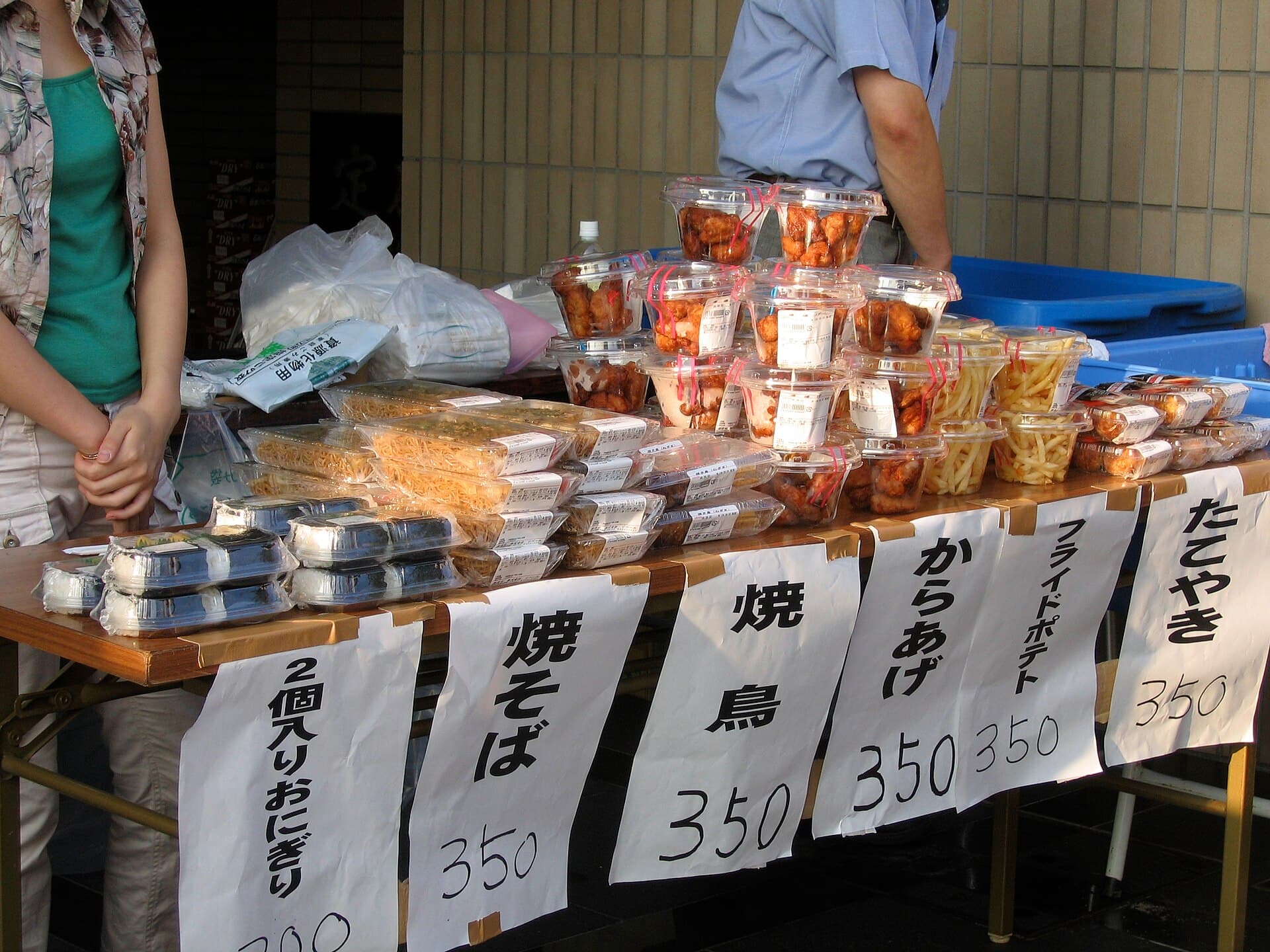
Why Neighborhood Food Festivals Are the Best Way to Try Japanese Cooking
A local Japanese food festival can be a smarter introduction than a pricey restaurant reservation. The best part is the chance to try a wider range of dishes, flavors, and community traditions in one afternoon.
The Cheapest Meal Upgrade Is Learning to Cook What You Already Bought
A smarter kitchen starts before the grocery store and pays off all week. Using what’s already in the fridge can stretch a food budget without making meals feel like leftovers on repeat.

What Diners Should Look For Before Making a Food Truck Park a Regular Stop
When a food truck park becomes the center of online complaints, it’s a reminder that diners should pay attention to more than just the menu photos. A great food stop needs consistency, transparency, and a setup that works for both customers and vendors.