Why Your Closet Is Becoming Part of the Return on Investment
More apparel brands are paying attention to what happens after the first purchase, and shoppers should read that shift carefully. Resale can be convenient, but it also changes how we think about value, quality, and what belongs in our closets.
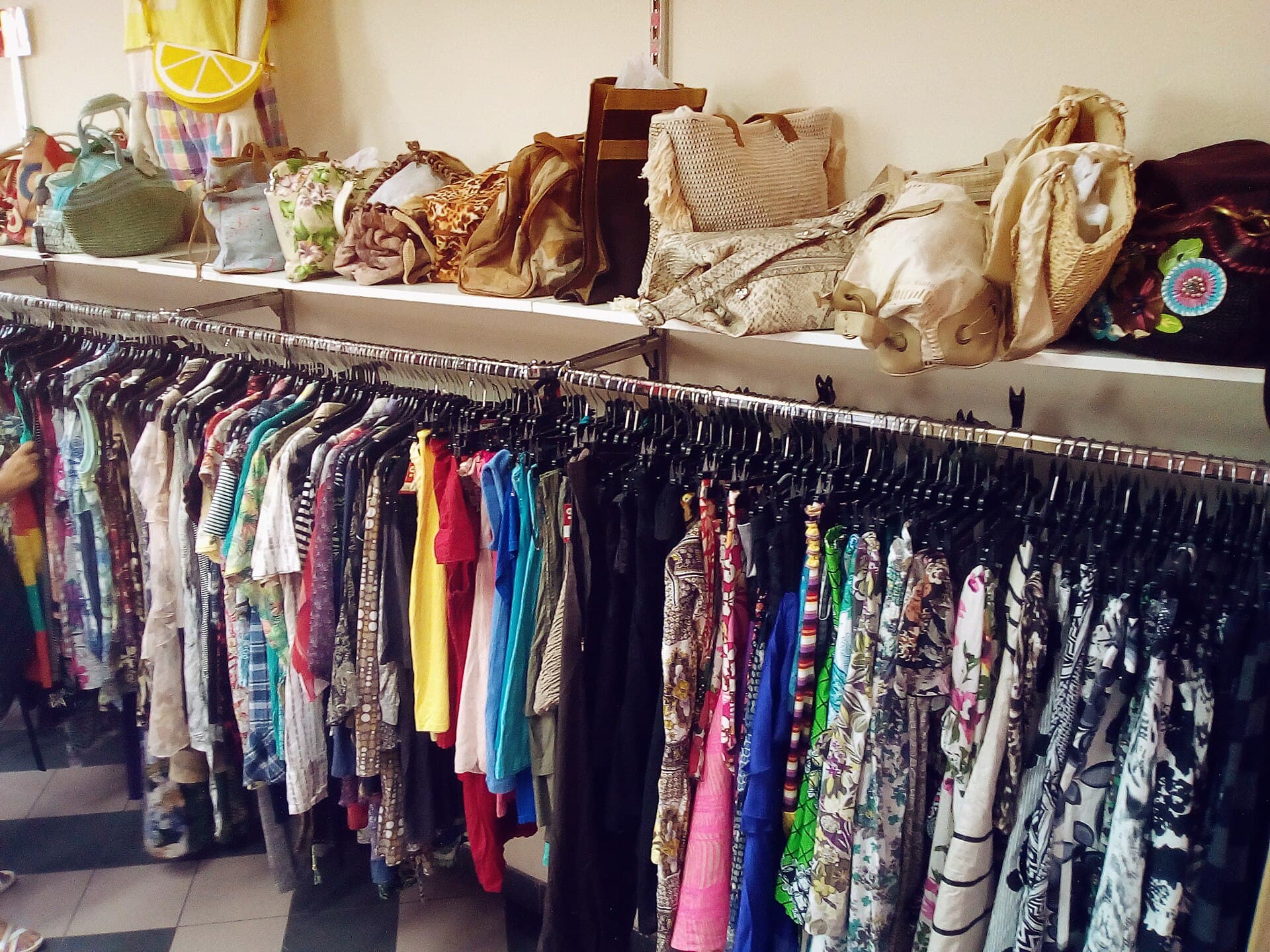
A lot of clothing brands are starting to act less like they only sell outfits and more like they want a relationship with your wardrobe. That can mean buy-back programs, branded resale platforms, or store credit for pieces you are done wearing. For shoppers, the pitch is simple: buy better, wear it, then recover some value later instead of letting it sit in a drawer.
paragraphs like this are appealing because they make expensive purchases feel easier to justify. If a coat, handbag, or pair of jeans seems likely to hold value, it starts to look less like a splurge and more like a calculated buy. But that logic only works when the item is genuinely well made, timeless enough to resell, and still desirable when you are ready to part with it. Not every label deserves to be treated like an investment category.
There is a practical upside here if you shop with clear eyes. Brand-run resale can be easier than photographing items, writing listings, and negotiating with strangers online. It can also reward shoppers who take care of their clothes and think beyond one-season trends. The catch is that convenience often comes with limits, whether that is lower payouts, store-credit-only offers, or tighter control over which items are accepted.
The smartest move is to treat resale as a bonus, not a promise. Buy clothes you actually want to wear repeatedly, pay attention to fabric and construction, and be skeptical of anything marketed as future value unless it already has a strong secondhand following. If brands want a second sale, shoppers should want a second opinion: does this piece deserve space in your closet when the hype is gone?
Photo: MAKY.OREL via Wikimedia Commons (CC BY-SA 4.0).

Related stories

The Best Trend in Fashion Right Now Is Looking Unbothered
The most wearable runway idea this season isn’t a single item—it’s the return of clothes that look lived in, easy, and ready for an actual day. For shoppers, that means buying less fantasy and more pieces that earn repeat wear.
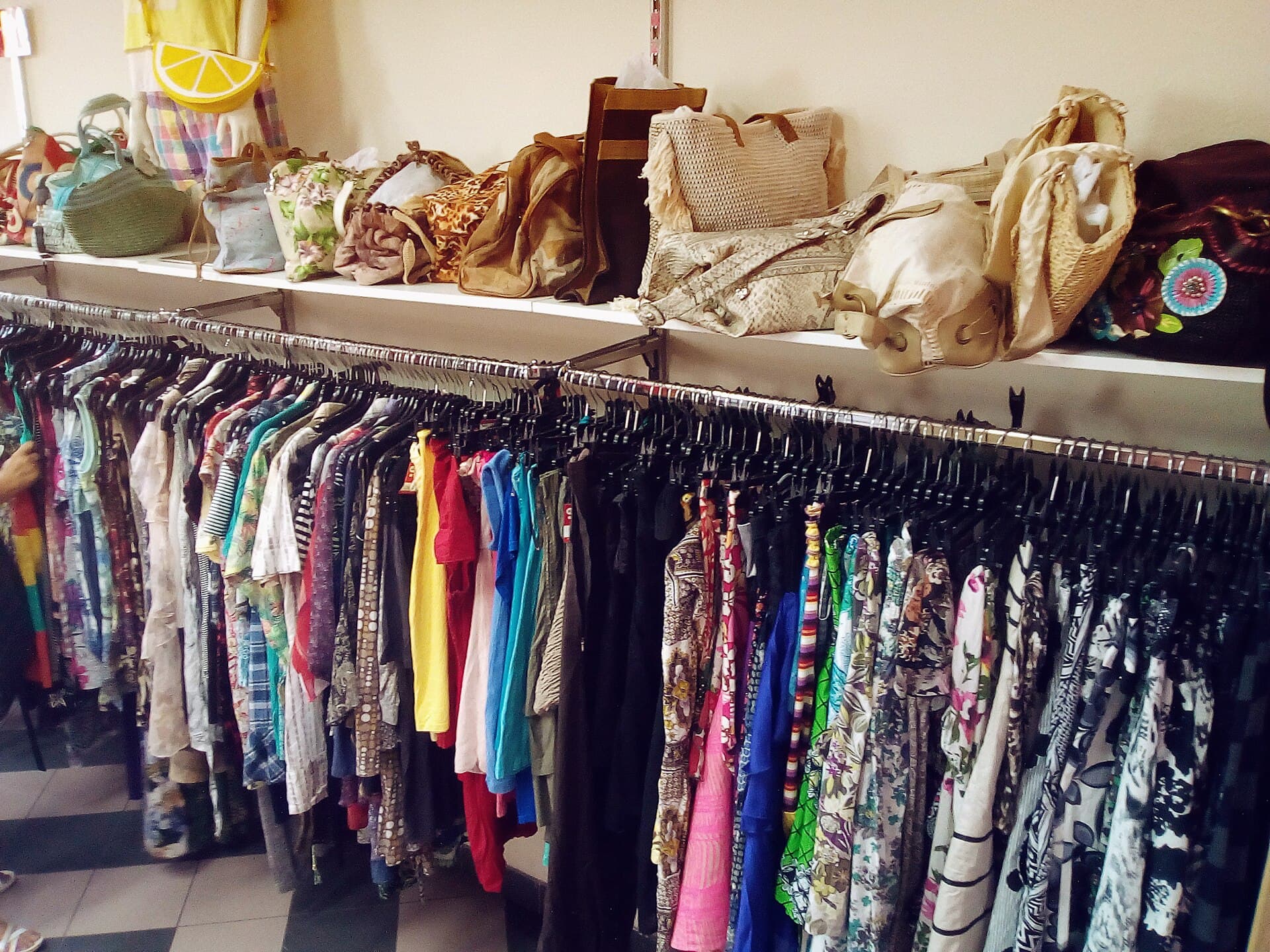
The Best Closet Upgrade Might Be Someone Else’s Return Pile
For shoppers tired of flimsy trends and constant micro-hauls, thrift stores offer a slower, smarter way to buy clothes. The real appeal isn’t just saving money—it’s finding pieces that actually deserve closet space.

Why Independent Fashion Labels Need Community More Than Hype
Big fashion headlines can distract from the fragile reality of independent labels. For shoppers, the most meaningful support often looks less like chasing trends and more like showing up for small brands consistently.