Why Your Winter Grocery Bill May Rise Before Holiday Cooking Even Starts
When grain markets jump, the effects don’t stay on farms or trading screens for long. US shoppers may feel it in pantry basics, meat, dairy, and the quiet shrinkage of everyday grocery value this winter.

Winter food costs rarely move in one dramatic sweep. They creep in through the middle aisles first: bread, cereal, crackers, pasta, baking supplies, and the store-brand staples people count on when they’re trying to keep dinner simple and cheap. When grain gets more expensive globally, American shoppers usually don’t see a perfect one-to-one price jump, but they do see a grocery cart that suddenly feels less generous.
Grain also matters beyond obvious pantry foods. It feeds into the cost of raising livestock, which can put extra pressure on meat, eggs, and dairy over time. That’s why a season of higher grain costs can make the whole store feel tighter, even if produce specials still look decent. The frustrating part for households is that inflation at the grocery store often shows up as fewer promotions, smaller packages, and less room to trade down without sacrificing quality.
The practical move now is not panic buying. It’s paying attention to the foods you use every week and restocking them before you run out, especially shelf-stable basics you know your household will finish. If your fall routine includes baking, soup season, lunchbox snacks, or big pasta dinners, this is the moment to compare unit prices and notice which categories are quietly inching up instead of waiting for holiday demand to pile on.
There’s also a bigger lifestyle lesson here: the cheapest meal plan is usually the one built around flexibility. When grain-heavy packaged foods get pricier, home cooks who can rotate between rice, potatoes, beans, oats, frozen vegetables, and whatever protein is on sale tend to absorb the shock better than shoppers loyal to a narrow list of branded staples. Winter may bring a tougher food-value equation, but a slightly looser, more practical approach to the pantry still gives consumers some control.
Photo: George Robinson via Wikimedia Commons (CC BY-SA 2.0).

Related stories
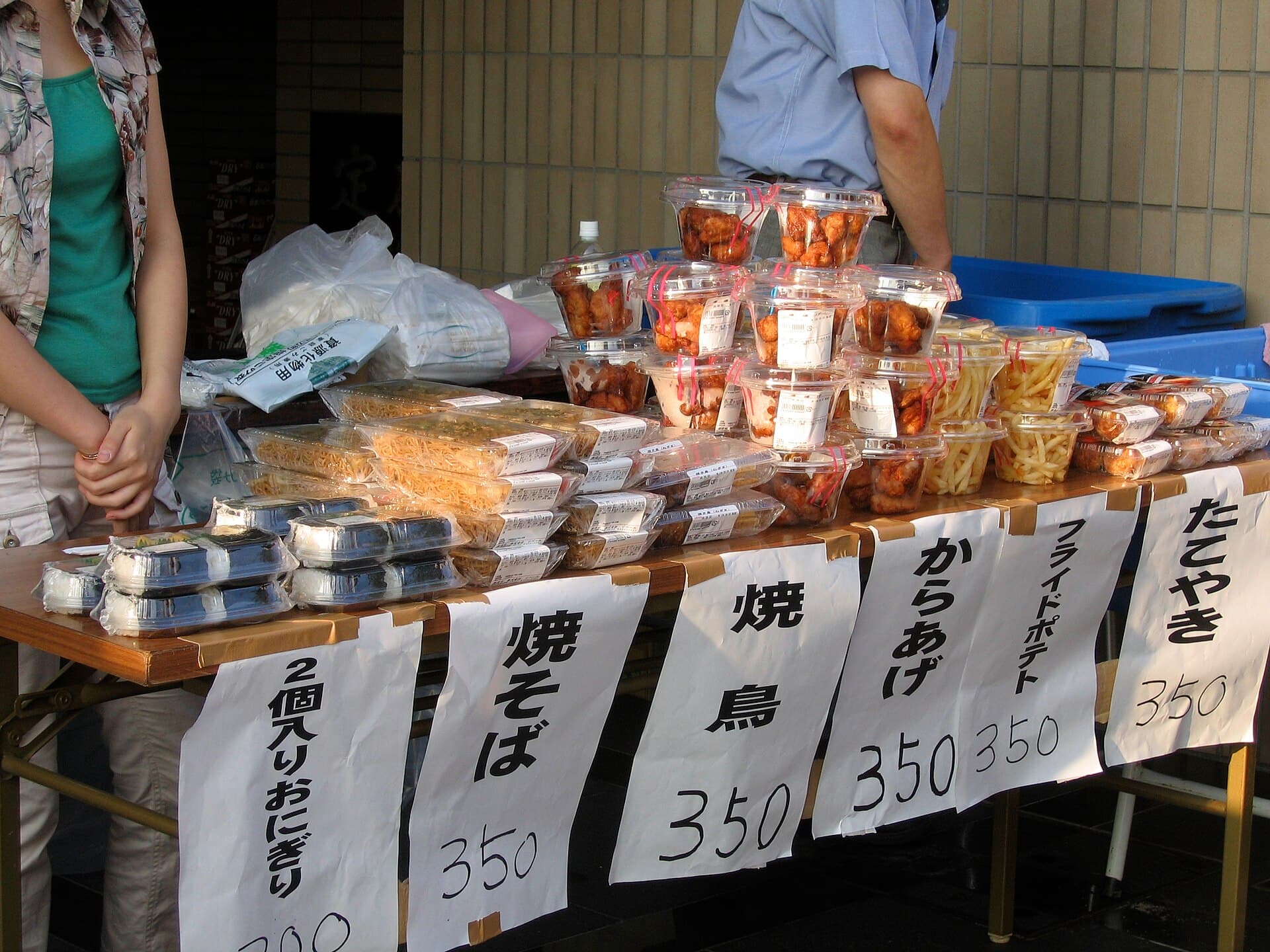
Why Neighborhood Food Festivals Are the Best Way to Try Japanese Cooking
A local Japanese food festival can be a smarter introduction than a pricey restaurant reservation. The best part is the chance to try a wider range of dishes, flavors, and community traditions in one afternoon.
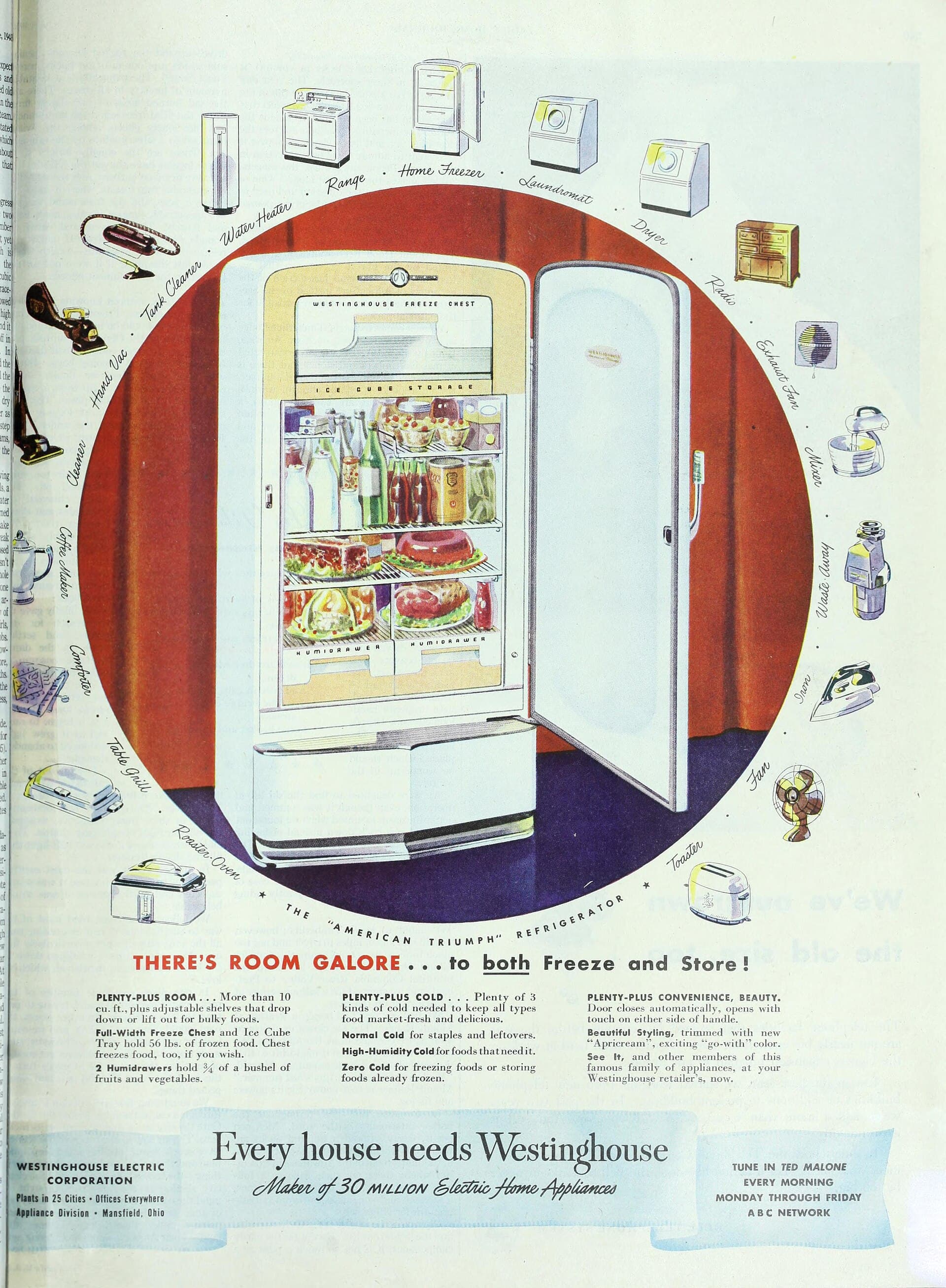
The Cheapest Meal Upgrade Is Learning to Cook What You Already Bought
A smarter kitchen starts before the grocery store and pays off all week. Using what’s already in the fridge can stretch a food budget without making meals feel like leftovers on repeat.

What Diners Should Look For Before Making a Food Truck Park a Regular Stop
When a food truck park becomes the center of online complaints, it’s a reminder that diners should pay attention to more than just the menu photos. A great food stop needs consistency, transparency, and a setup that works for both customers and vendors.