Your Fridge Is a Better Pantry Than You Think
A lot of the food we toss isn’t truly unusable—it’s just waiting for a second life. With a few low-effort habits, leftovers and overlooked produce can turn into easy meals instead of kitchen guilt.
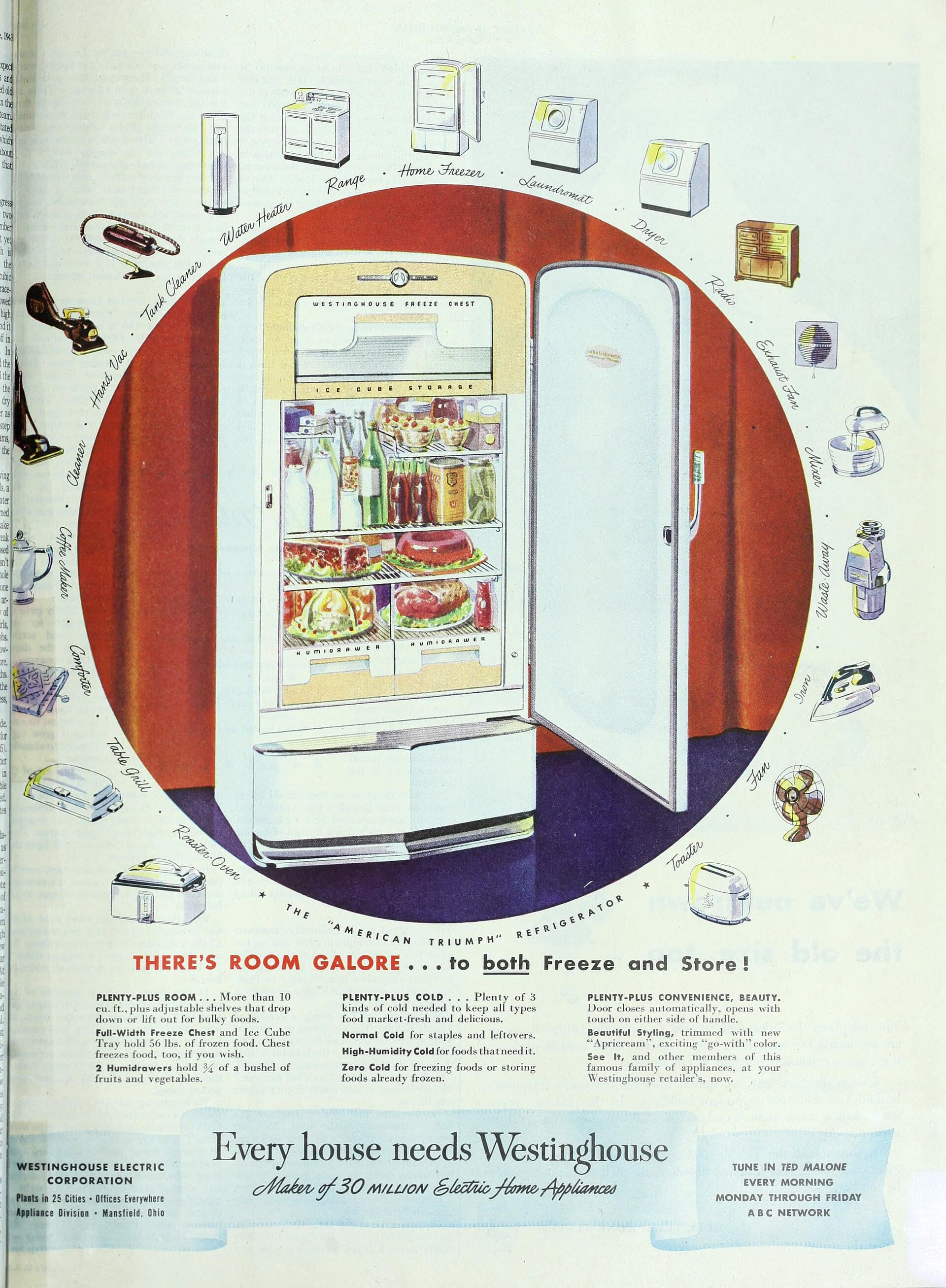
Food waste usually looks dramatic in headlines, but at home it’s often much more ordinary: half an onion, tired spinach, rice from two nights ago, a yogurt cup nearing its date. The practical fix isn’t becoming a perfect zero-waste cook. It’s getting better at seeing those odds and ends as ingredients instead of clutter.
One of the easiest money-saving habits is keeping a short mental list of “rescue meals.” Soup, fried rice, quesadillas, pasta, grain bowls, and omelets exist for this exact reason. They’re flexible, fast, and forgiving, which matters more on a busy weeknight than any ambitious meal plan. If the vegetables are a little soft, roast them. If the bread is stale, toast it or turn it into crumbs. If fruit looks past its prime, it may be one smoothie away from being useful again.
A lot of waste also comes from confusion, not spoilage. Many date labels are about quality, not safety, and plenty of food is still fine if it smells normal and looks normal. That doesn’t mean ignoring common sense, but it does mean trusting your senses more than your panic. Americans are often taught to shop efficiently, but not necessarily to use food flexibly, and that gap is expensive.
The best system is the one you’ll actually keep. Put the most perishable items where you can see them, freeze extras before they become a chore, and plan one end-of-week meal designed to clean out the fridge. It may not be glamorous, but it’s one of the simplest ways to spend less, waste less, and make your kitchen feel a little smarter.
Photo: Wyeth, N. C. (Newell Convers), 1882-1945 via Wikimedia Commons (Public domain).

Related stories
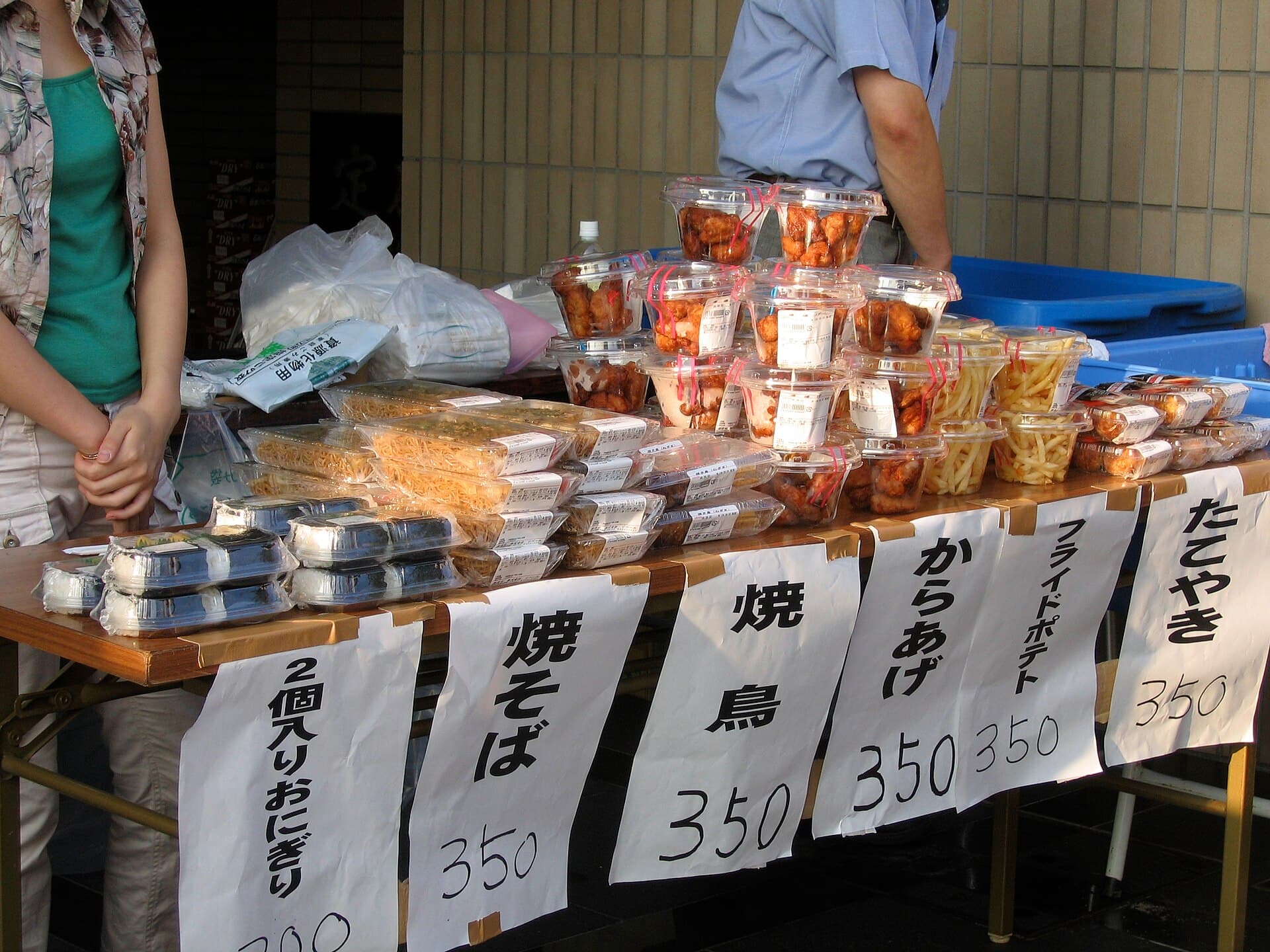
Why Neighborhood Food Festivals Are the Best Way to Try Japanese Cooking
A local Japanese food festival can be a smarter introduction than a pricey restaurant reservation. The best part is the chance to try a wider range of dishes, flavors, and community traditions in one afternoon.
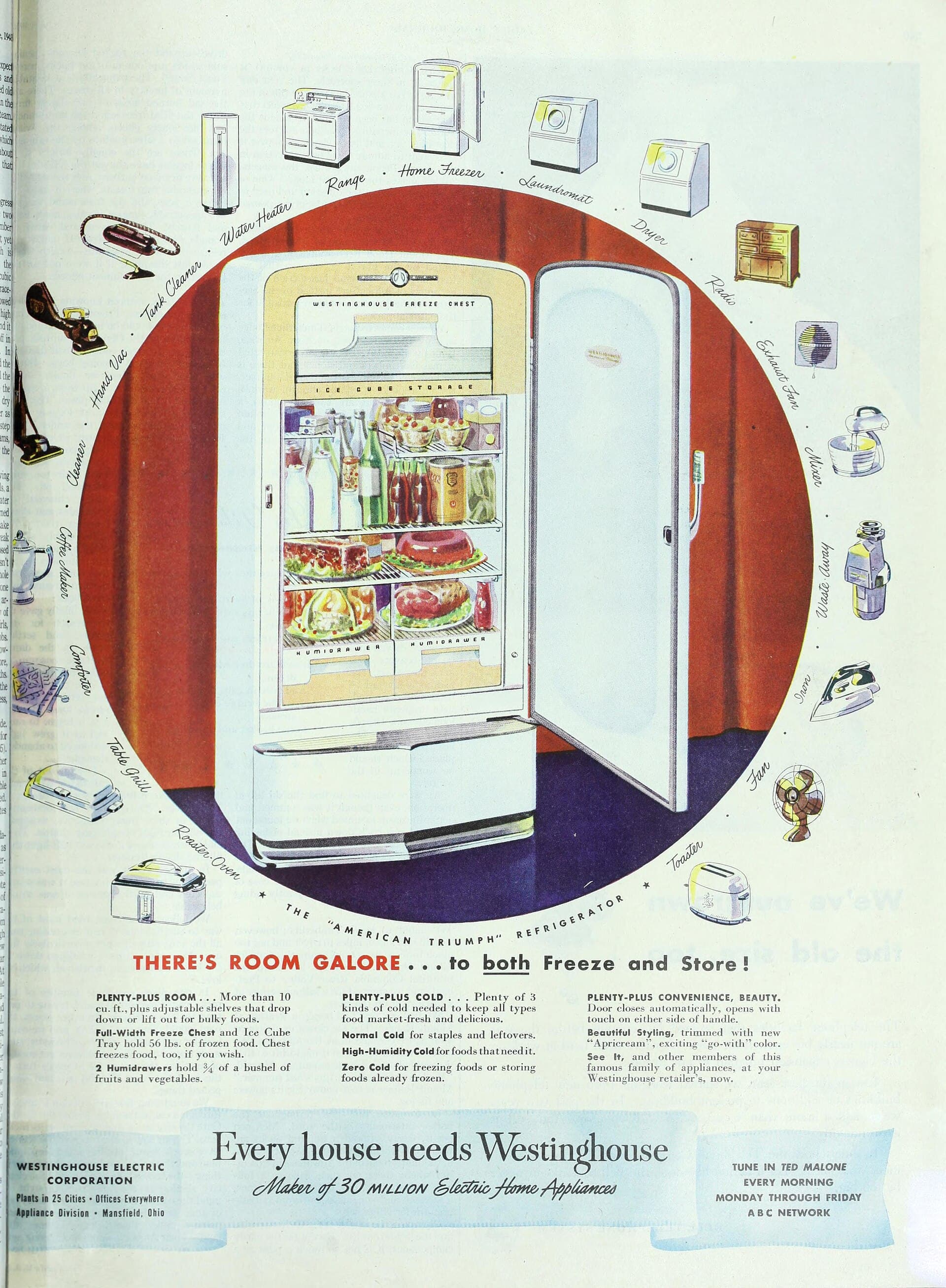
The Cheapest Meal Upgrade Is Learning to Cook What You Already Bought
A smarter kitchen starts before the grocery store and pays off all week. Using what’s already in the fridge can stretch a food budget without making meals feel like leftovers on repeat.

What Diners Should Look For Before Making a Food Truck Park a Regular Stop
When a food truck park becomes the center of online complaints, it’s a reminder that diners should pay attention to more than just the menu photos. A great food stop needs consistency, transparency, and a setup that works for both customers and vendors.