Your EV Might Become the Most Practical Backup Battery You Own
For many drivers, an electric vehicle is starting to look less like a gadget and more like household resilience. The bigger question isn’t hype — it’s whether your car, charger, and utility setup can actually work together when the grid gets stressed.

A lot of Americans still think of an electric vehicle as just a different way to commute, but the more interesting shift is happening at home. In places where heat waves, storms, and grid strain are part of daily life, a parked EV starts to look less like transportation and more like a piece of household infrastructure. That idea feels especially relevant in states where keeping the lights on can become a seasonal concern.
paragraphs like this are most useful when they stay practical: not every EV can send power back out, and not every home charger is built for that job. The appealing vision of a car helping support a house depends on the vehicle, the charging equipment, local utility rules, and often a more advanced installation than buyers expect. For shoppers, that means the smartest question is no longer just range or monthly payment, but whether the vehicle can fit into a future home-energy setup.
There’s also a cultural shift hiding inside this. Americans have long treated cars as private machines that burn fuel and sit idle most of the day. An EV opens the door to thinking of that same driveway object as something more useful: a flexible battery you already paid for, one that may eventually help you ride out outages or lower energy stress at home. That doesn’t make every electric model a money-saving miracle, but it does make the ownership conversation more grounded than the usual tech fantasy.
If you’re shopping for an EV now, it’s worth paying attention to boring details that may matter later: bidirectional charging support, home electrical capacity, warranty language, and how your local utility handles time-of-use plans or grid programs. The real lifestyle upgrade may not be speed or screens. It may be the quiet convenience of having one more tool ready when the weather turns rough or demand spikes.
Photo: homer----simpson via Wikimedia Commons (CC BY-SA 2.0).
.jpg)
Related stories
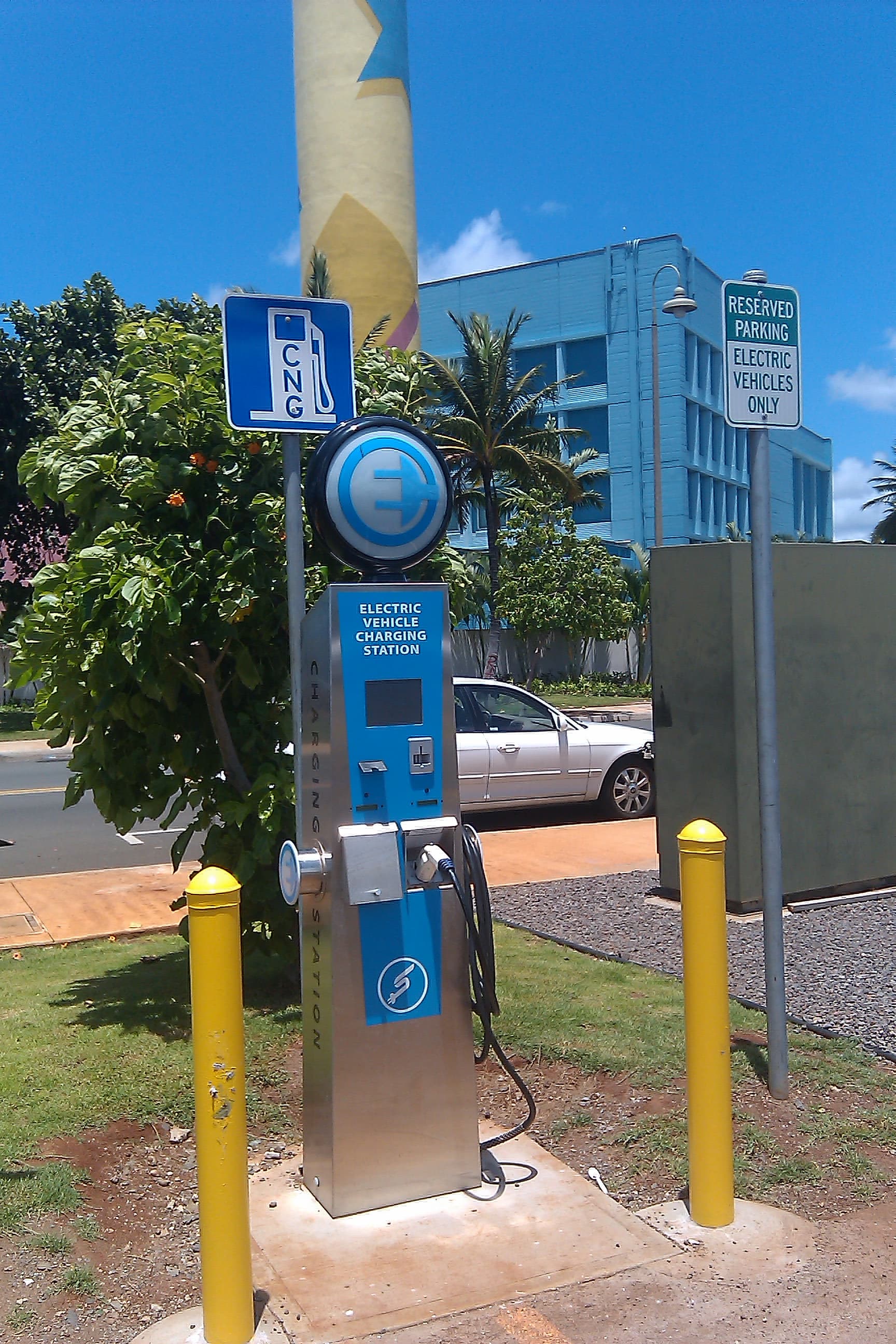
Why a New EV Charger Matters More Than a Photo Op
A new public EV charger is only exciting if it makes everyday driving easier. For most drivers, the real value is reliable charging in places they already stop, not flashy announcements.
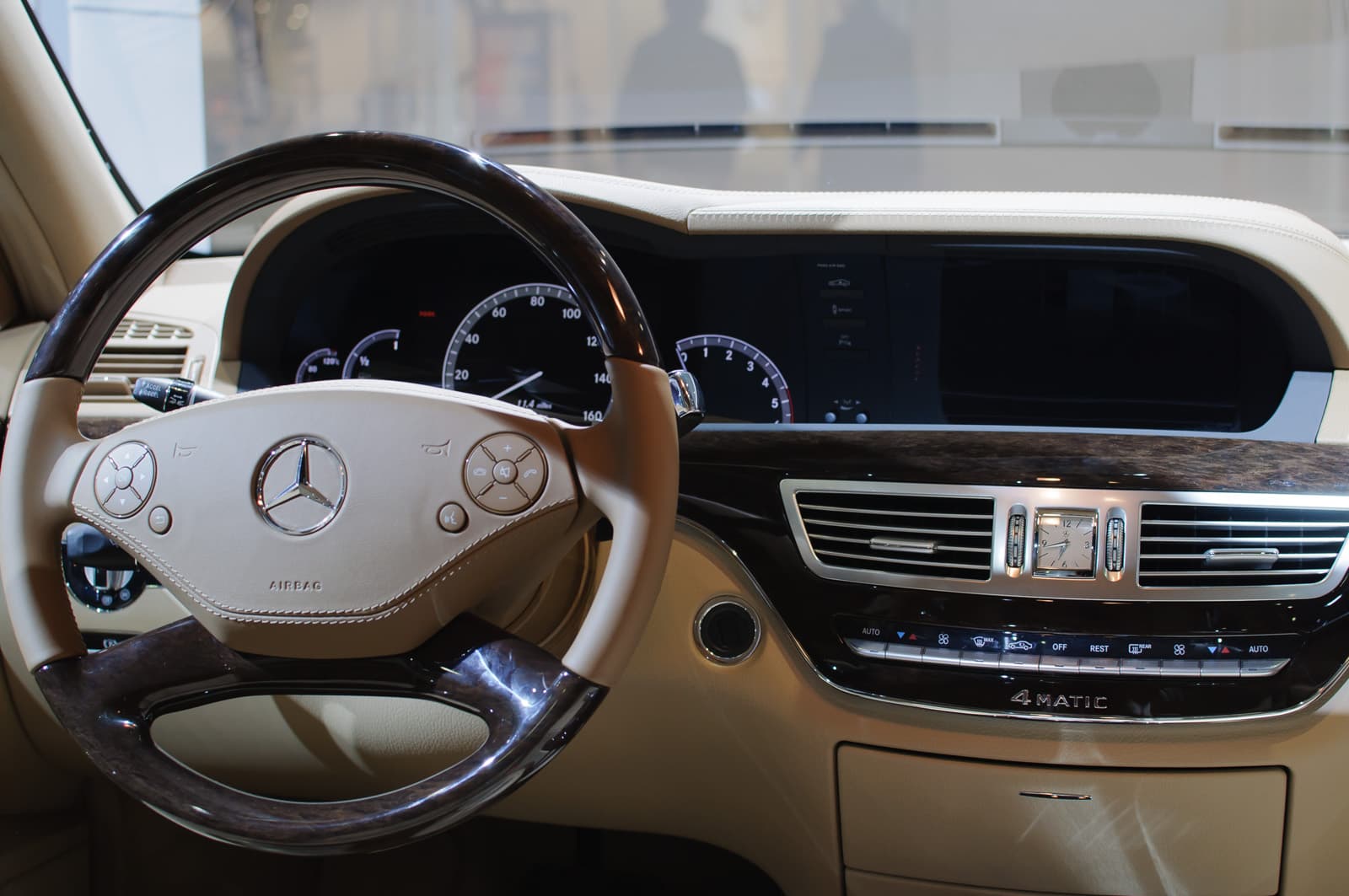
Why Your Next Car Screen Might Finally Be Easier to Live With
A quieter shift in car tech could make dashboard screens simpler to update, easier to replace, and less frustrating for drivers. For shoppers, that matters more than another flashy display demo.
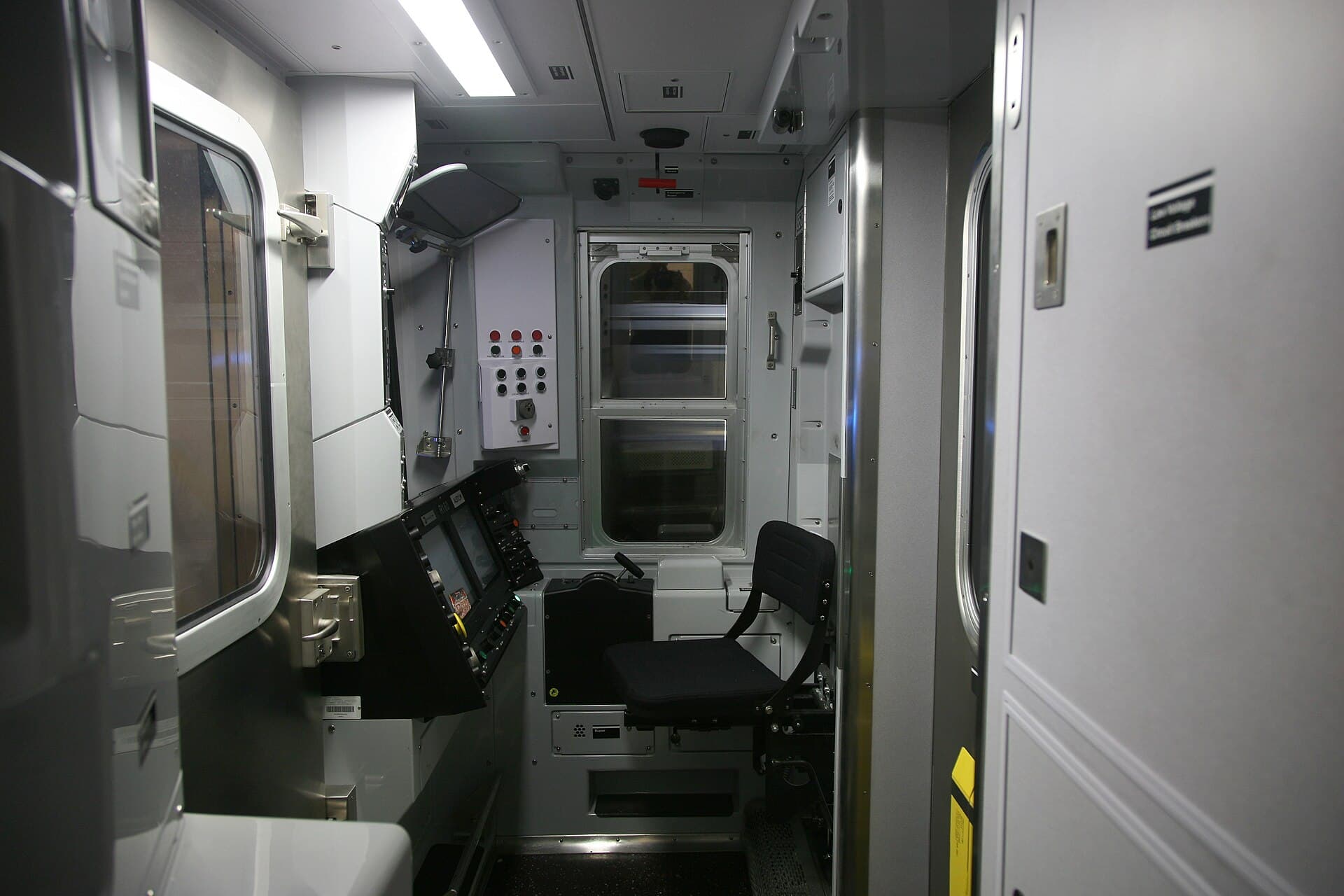
Robotaxis Are Getting Closer, but Most Drivers Still Need a Backup Plan
Autonomous ride-hailing is moving from experiment to everyday possibility, but for most Americans the immediate takeaway is practical: expect a slow rollout, uneven city access, and more pressure on the cost of getting around.