Why a New EV Charger Matters More Than a Photo Op
A new public EV charger is only exciting if it makes everyday driving easier. For most drivers, the real value is reliable charging in places they already stop, not flashy announcements.
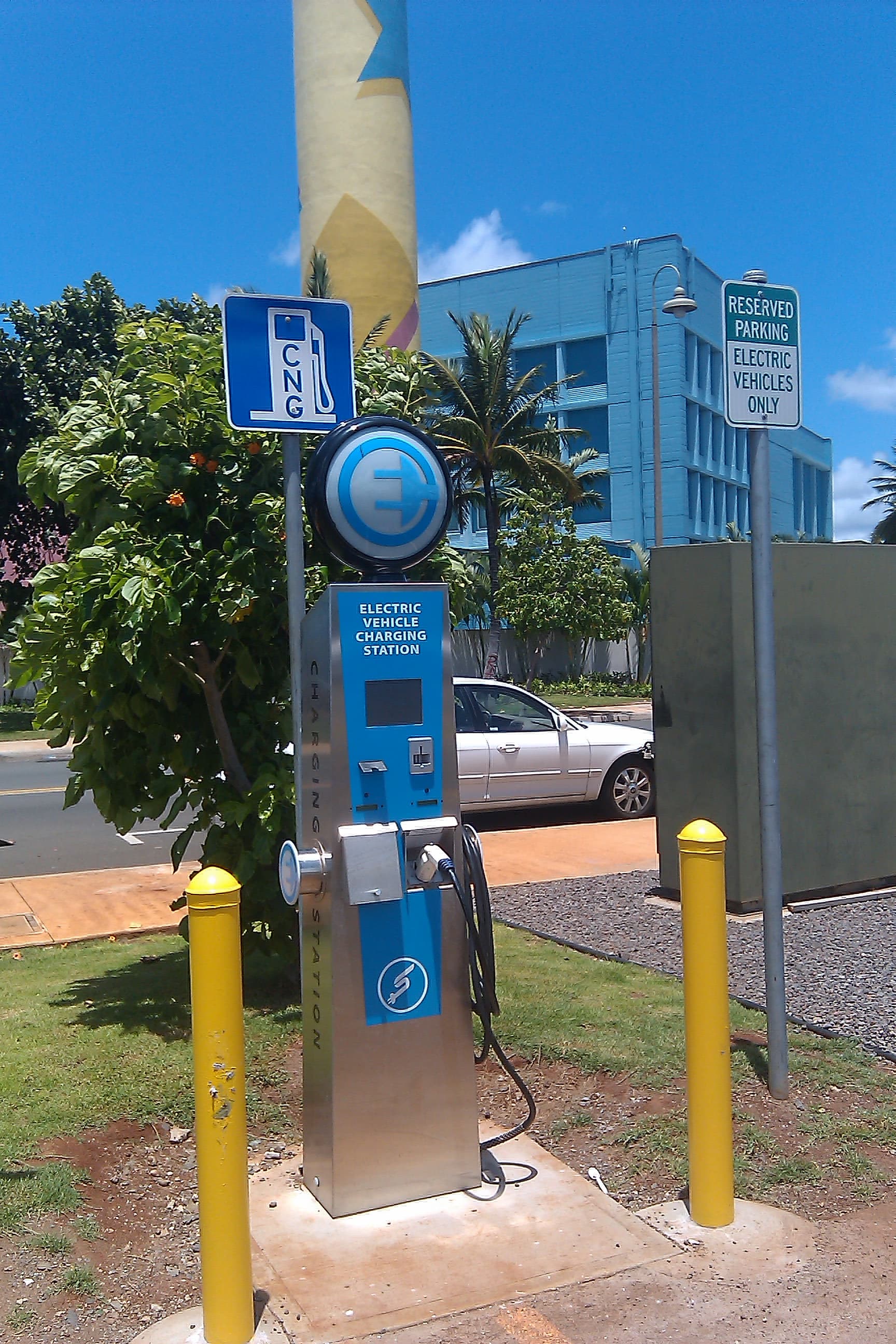
Public EV charging sounds like niche infrastructure until you think about how people actually use their cars. A charger in a small city can be the difference between treating an electric vehicle like a normal family car or planning every trip around battery anxiety. What matters most is not the ribbon cutting, but whether the station is easy to find, easy to use, and placed near places people already visit.
For drivers who do not have a perfect home charging setup, public chargers fill a practical gap. Apartment renters, older homeowners without garage wiring, and visitors passing through town all benefit when charging is part of the landscape instead of a special errand. The best version of this is boring in a good way: you plug in while grabbing coffee, shopping, or sitting through a kid’s practice, and then move on with your day.
There is also a quiet economic angle here. When towns add dependable charging, they make themselves more convenient to travelers who might otherwise skip the stop. A charger near downtown shops, a grocery store, or a local restaurant can turn 20 or 30 minutes of charging time into money spent nearby. That is a lot more useful than treating EV infrastructure like a symbolic gesture.
The catch is that installation is only the first step. Drivers remember broken screens, blocked spaces, confusing apps, and chargers that are technically available but practically unusable. If cities want these projects to matter, maintenance and clear signage count just as much as the initial launch. The future of public charging will be decided less by ceremonies and more by whether drivers trust the station to work when they need it.
Photo: Mateo Malo (fightingforward) via Wikimedia Commons (CC BY-SA 2.0).

Related stories
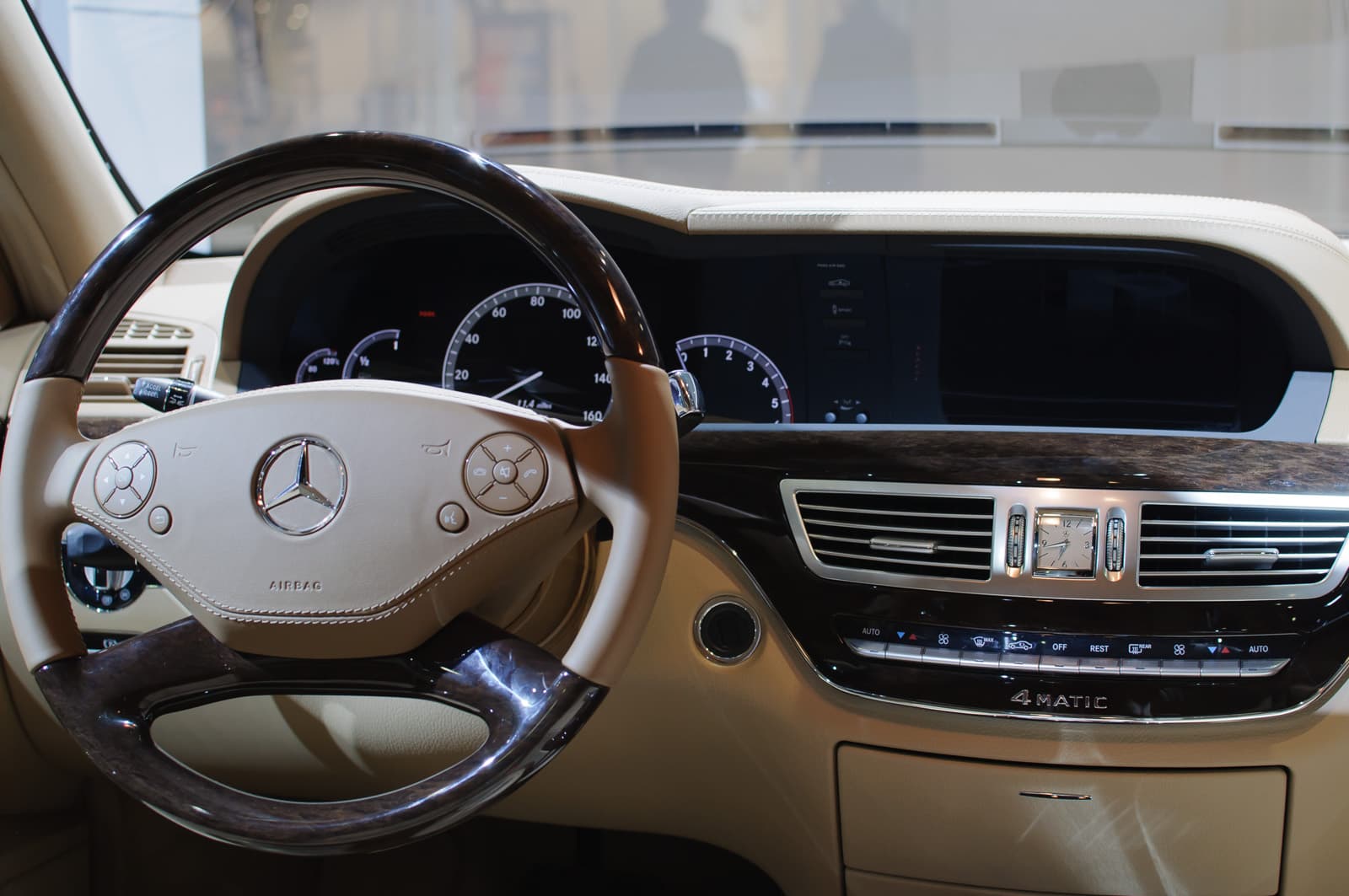
Why Your Next Car Screen Might Finally Be Easier to Live With
A quieter shift in car tech could make dashboard screens simpler to update, easier to replace, and less frustrating for drivers. For shoppers, that matters more than another flashy display demo.
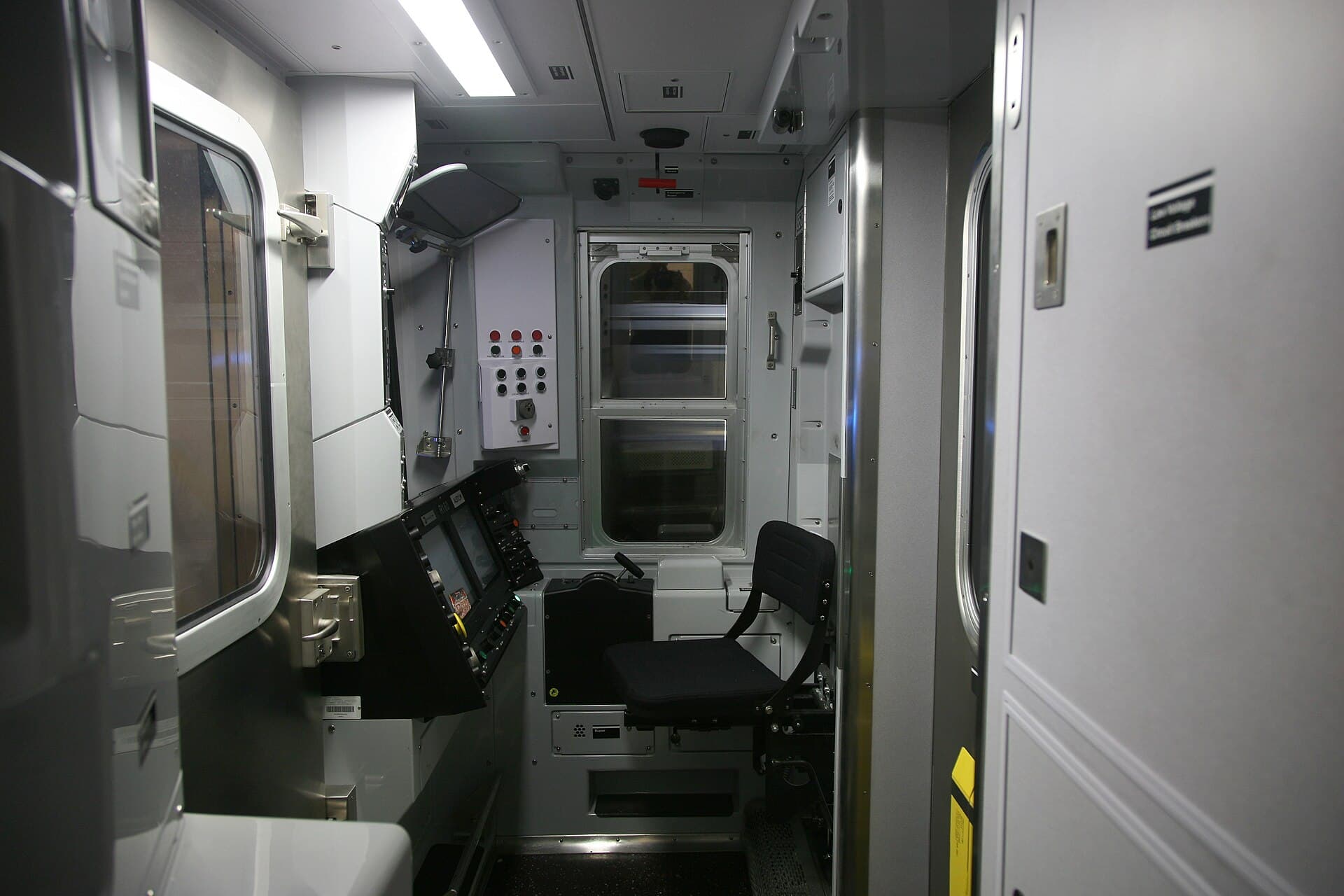
Robotaxis Are Getting Closer, but Most Drivers Still Need a Backup Plan
Autonomous ride-hailing is moving from experiment to everyday possibility, but for most Americans the immediate takeaway is practical: expect a slow rollout, uneven city access, and more pressure on the cost of getting around.

Why Another European EV Push Matters to American Car Shoppers
When a premium EV brand adds another European market, it’s not just overseas news. For US shoppers, it’s a quiet signal about scale, service confidence, and how luxury electric competition could evolve at home.