Why Your Next Car Screen Might Finally Be Easier to Live With
A quieter shift in car tech could make dashboard screens simpler to update, easier to replace, and less frustrating for drivers. For shoppers, that matters more than another flashy display demo.
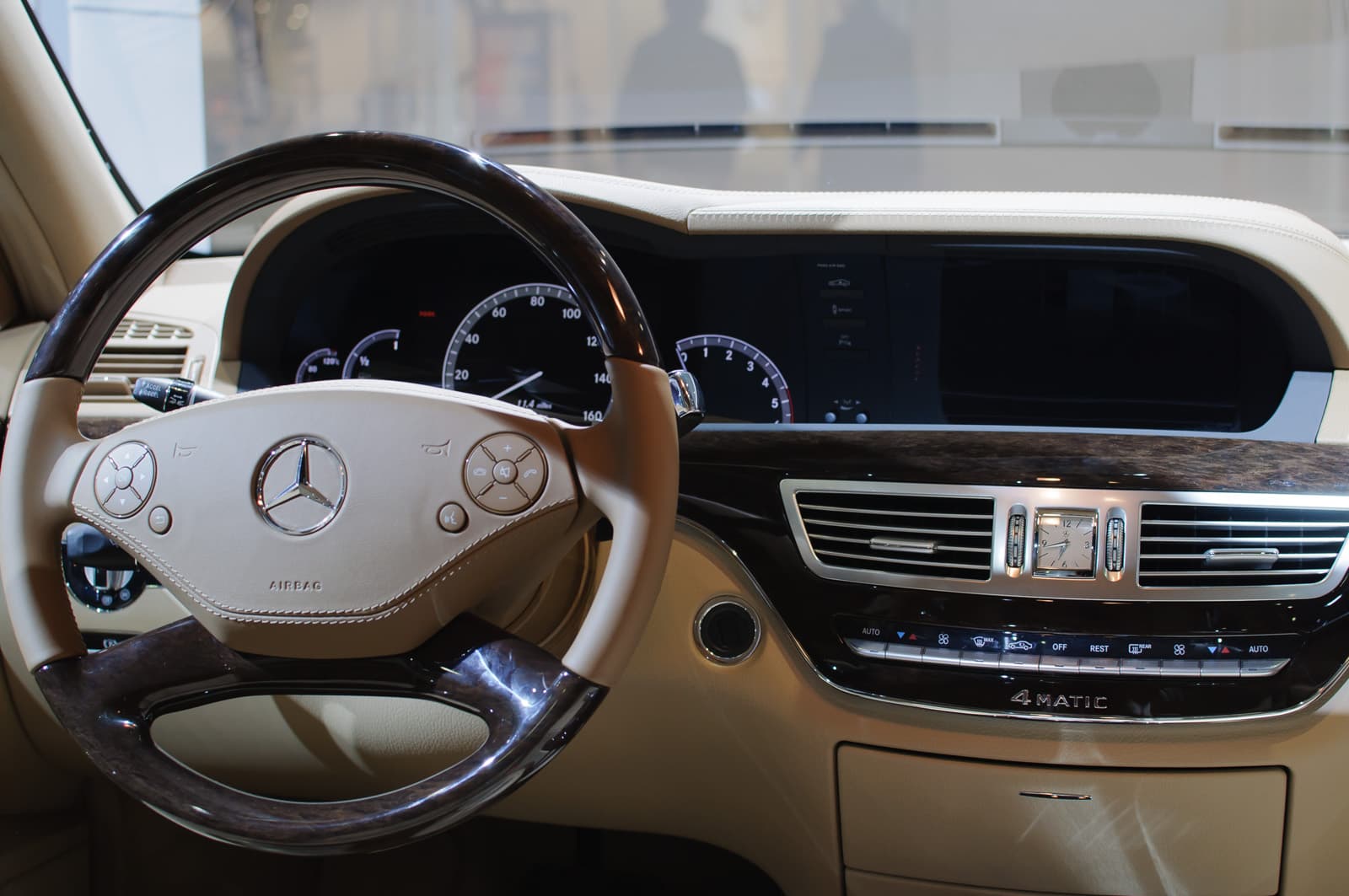
Most drivers do not wake up hoping for a new display standard in the auto industry, but they do notice when a screen is laggy, confusing, or expensive to fix. That is why behind-the-scenes changes in how vehicle displays connect can matter in a very real way. If automakers and suppliers make screens easier to integrate and update, the result could be cars that feel less like sealed gadgets and more like products that can improve over time.
This is especially relevant as dashboards keep absorbing more functions that used to live on physical buttons and knobs. When climate controls, navigation, safety alerts, and entertainment all flow through one digital surface, reliability stops being a luxury feature. A more open, shared approach to display connectivity could help car brands roll out software changes faster and avoid some of the awkward one-off systems that make every model feel like its own tech experiment.
For shoppers, the practical takeaway is simple: flashy screen size should not be the only thing worth noticing. It is smarter to ask whether a vehicle’s software gets regular updates, whether the interface is responsive, and how costly a damaged display might be to repair after the warranty ends. The best car tech is not the most dramatic at the dealership; it is the kind that keeps working cleanly on a hot commute, a long road trip, or five years into ownership.
There is also a bigger affordability angle here. Standardized hardware connections can make life easier across the supply chain, and that often leads to fewer compatibility headaches down the road. In a market where cars already ask buyers to pay extra for every digital convenience, any move that nudges technology toward easier service and longer useful life is worth paying attention to.
Photo: skinnylawyer from Los Angeles, California, USA via Wikimedia Commons (CC BY-SA 2.0).
_-_Flickr_-_skinnylawyer.jpg)
Related stories
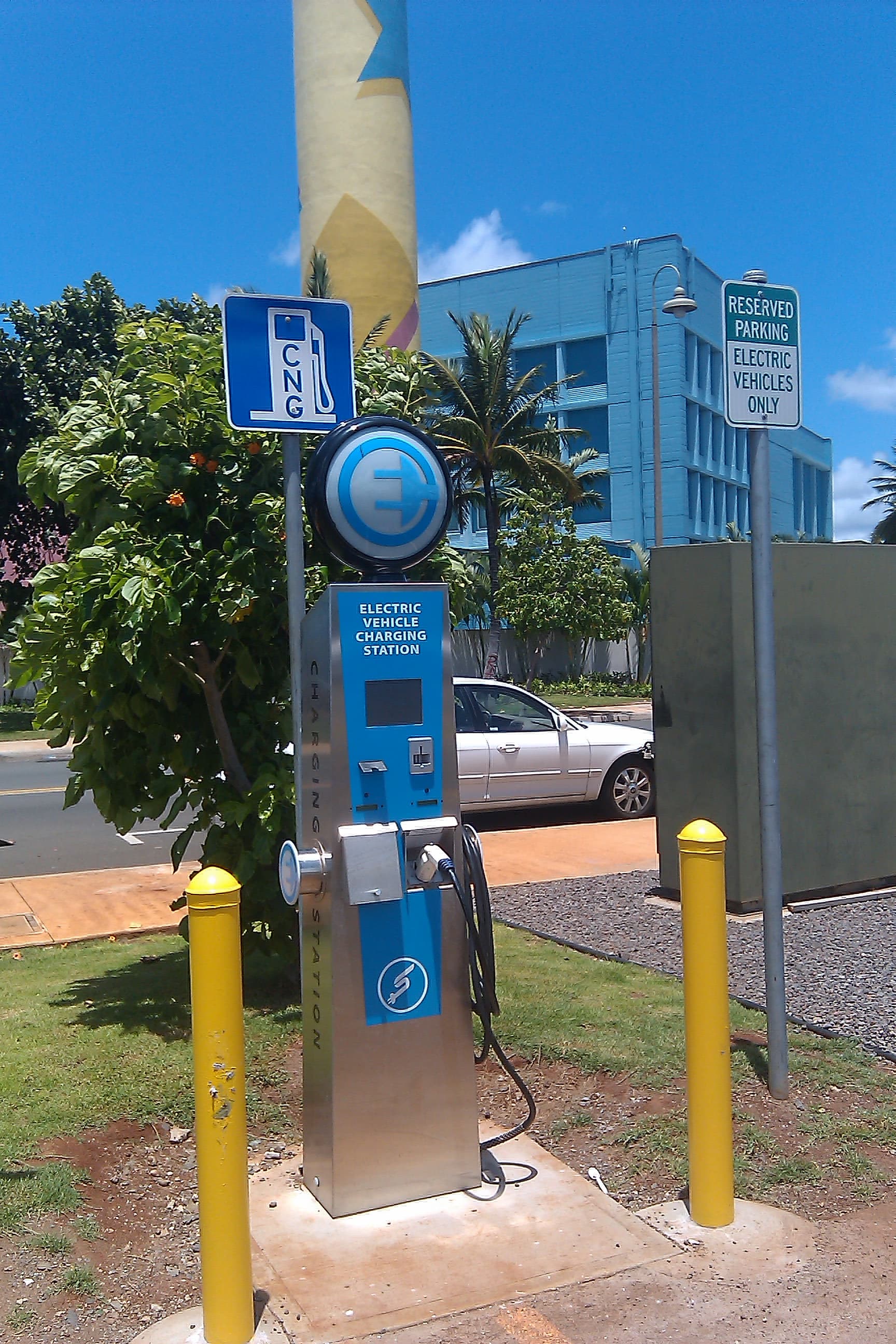
Why a New EV Charger Matters More Than a Photo Op
A new public EV charger is only exciting if it makes everyday driving easier. For most drivers, the real value is reliable charging in places they already stop, not flashy announcements.
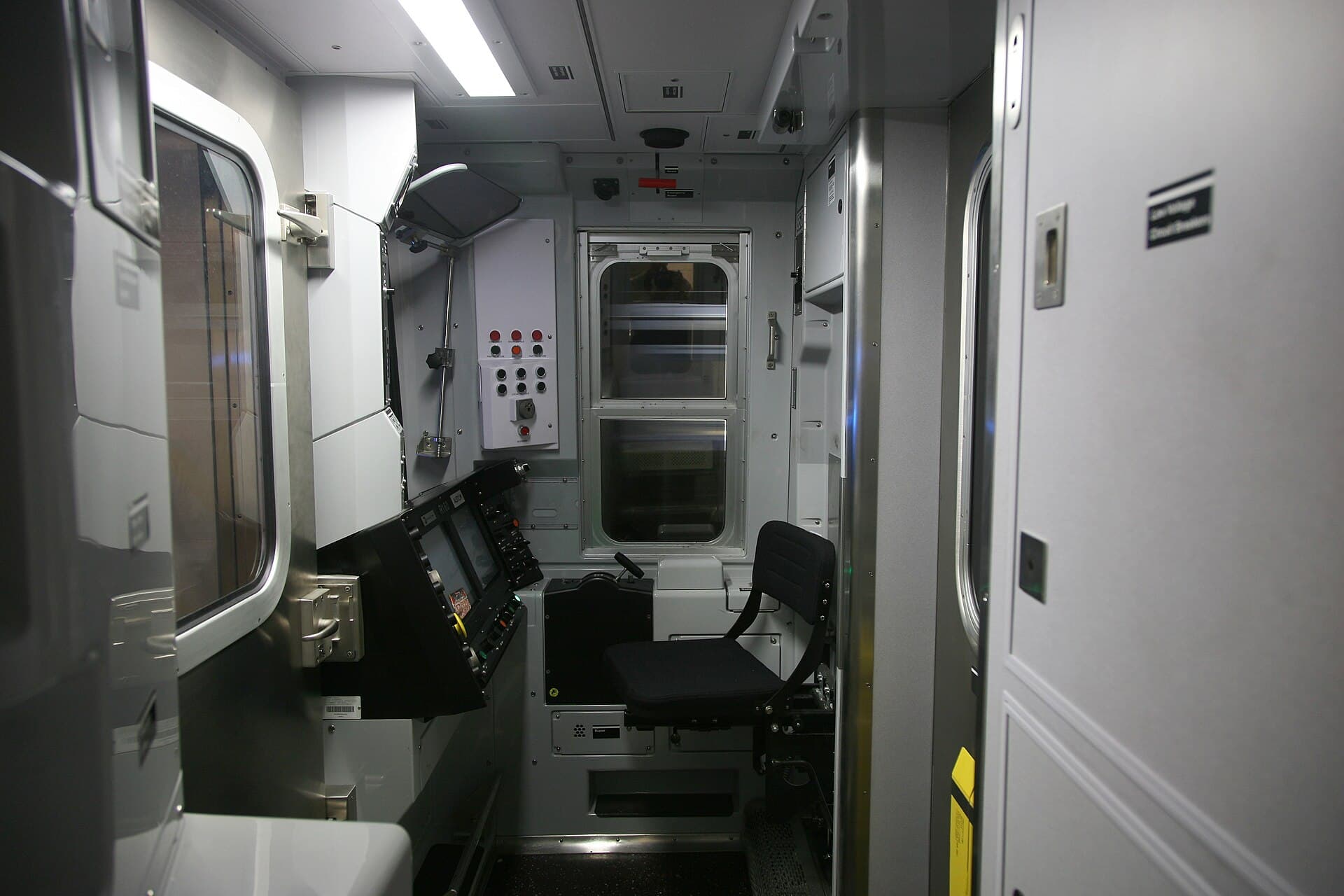
Robotaxis Are Getting Closer, but Most Drivers Still Need a Backup Plan
Autonomous ride-hailing is moving from experiment to everyday possibility, but for most Americans the immediate takeaway is practical: expect a slow rollout, uneven city access, and more pressure on the cost of getting around.

Why Another European EV Push Matters to American Car Shoppers
When a premium EV brand adds another European market, it’s not just overseas news. For US shoppers, it’s a quiet signal about scale, service confidence, and how luxury electric competition could evolve at home.