Why Another European EV Push Matters to American Car Shoppers
When a premium EV brand adds another European market, it’s not just overseas news. For US shoppers, it’s a quiet signal about scale, service confidence, and how luxury electric competition could evolve at home.

A luxury EV brand widening its footprint in Europe may sound like industry-insider news, but it has a practical angle for American drivers. Expanding into another country usually means a company believes it can support more sales, more service needs, and more day-to-day ownership questions without breaking the experience. For shoppers in the US, that kind of confidence matters more than splashy launch events.
The bigger takeaway is that premium electric car buyers are no longer just paying for range or fast acceleration. They’re buying into a support network, a software roadmap, and the likelihood that the brand will still feel stable a few years from now. International growth doesn’t guarantee any of that, but it can suggest a company is trying to build something broader than a niche product for early adopters.
It also puts pressure on the rest of the luxury market. If upscale EV makers keep extending into new regions, established automakers can’t rely on badge recognition alone. US consumers benefit when brands have to compete harder on charging access, cabin quality, warranty support, and the annoying little ownership details that decide whether a car feels premium after the first month.
For anyone actually shopping, the lesson is simple: look past the headline and focus on durability of the ecosystem. A beautiful EV is easy to admire online; a dependable ownership experience is harder to create and much more valuable. Overseas expansion is one clue—just one—that a carmaker thinks it can deliver the second part, not just the first.
Photo: Pedro Ribeiro Simões from Lisboa, Portugal via Wikimedia Commons (CC BY 2.0).
_(50072477626).jpg)
Related stories
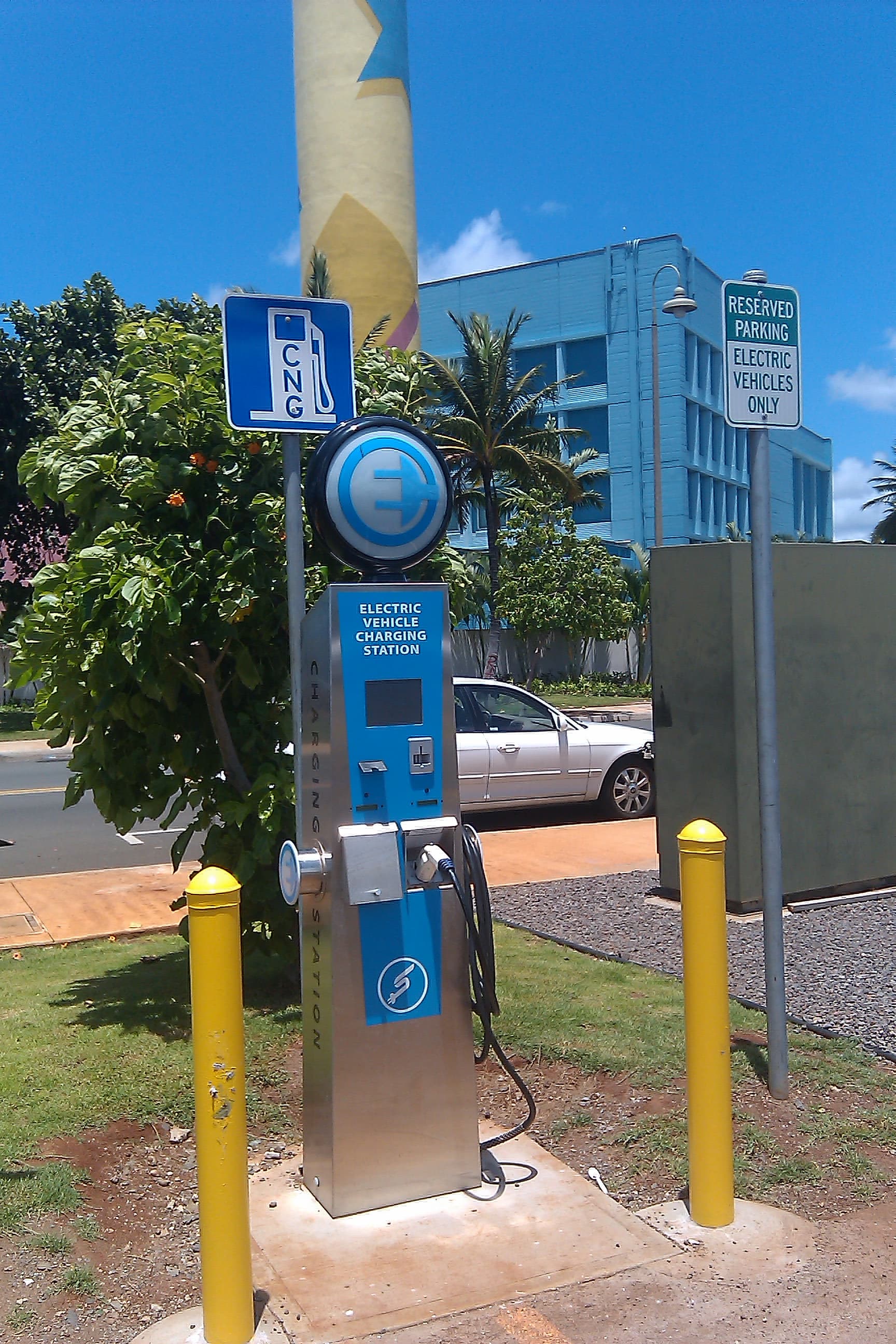
Why a New EV Charger Matters More Than a Photo Op
A new public EV charger is only exciting if it makes everyday driving easier. For most drivers, the real value is reliable charging in places they already stop, not flashy announcements.
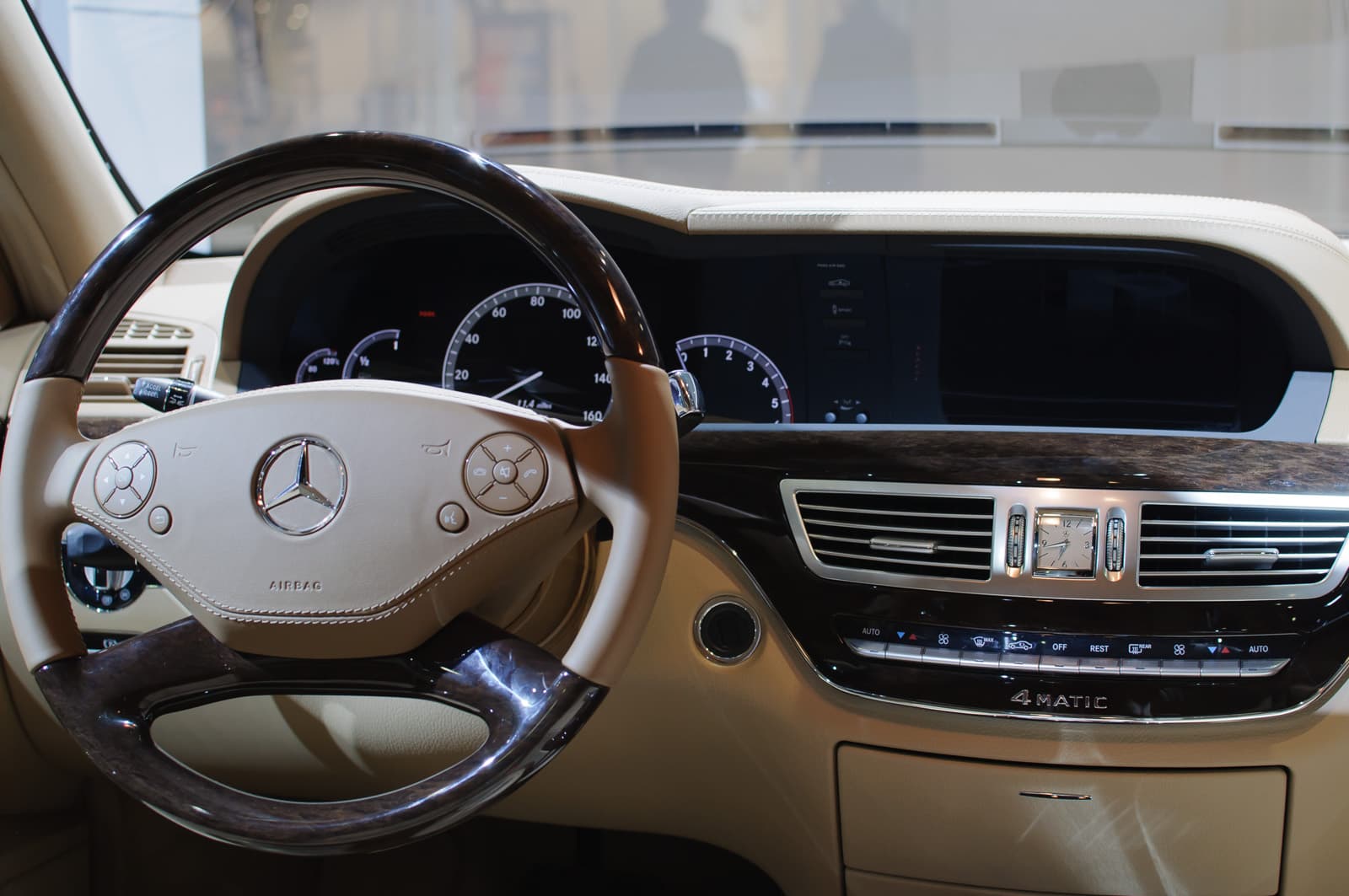
Why Your Next Car Screen Might Finally Be Easier to Live With
A quieter shift in car tech could make dashboard screens simpler to update, easier to replace, and less frustrating for drivers. For shoppers, that matters more than another flashy display demo.
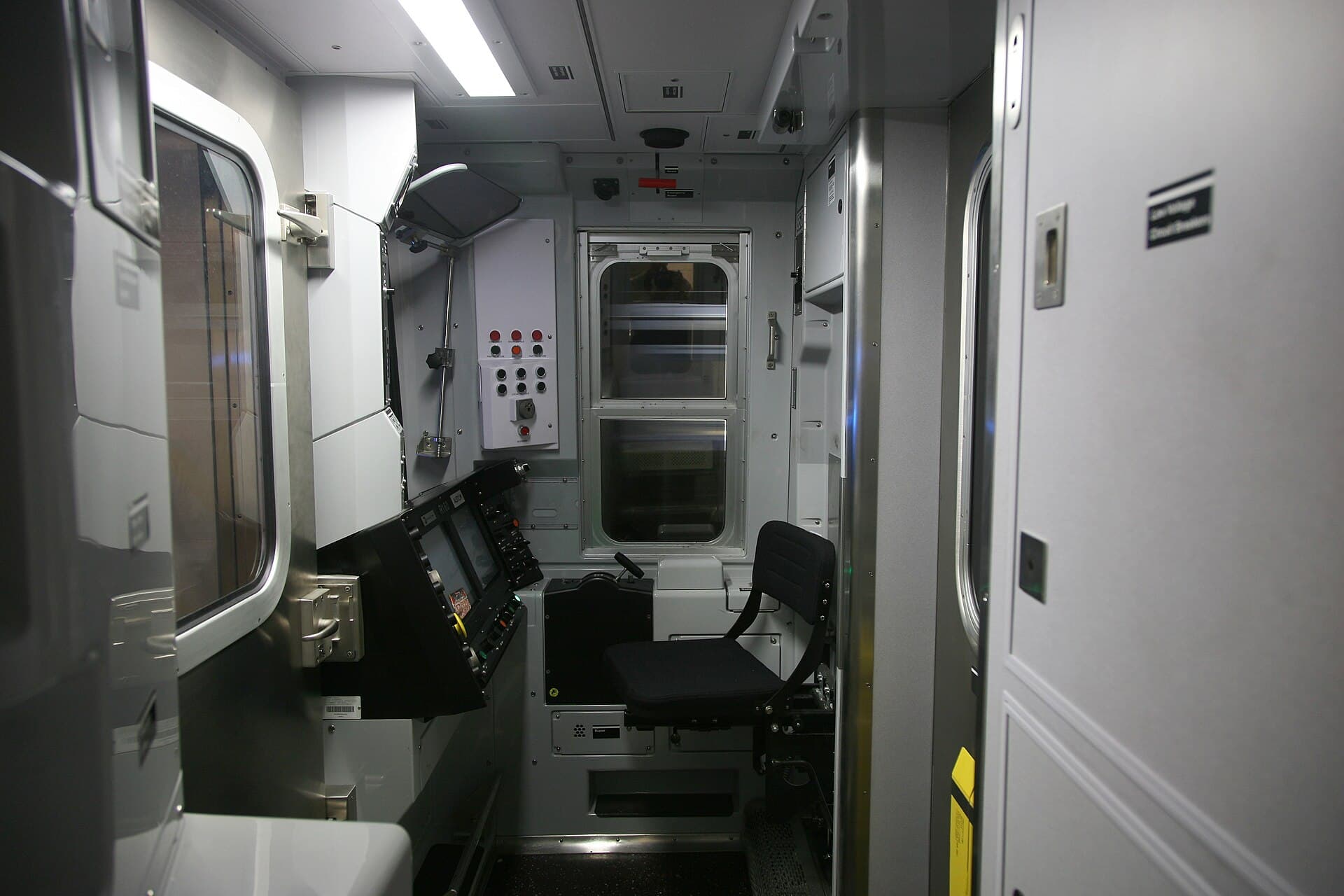
Robotaxis Are Getting Closer, but Most Drivers Still Need a Backup Plan
Autonomous ride-hailing is moving from experiment to everyday possibility, but for most Americans the immediate takeaway is practical: expect a slow rollout, uneven city access, and more pressure on the cost of getting around.