Robotaxis Are Getting Closer, but Most Drivers Still Need a Backup Plan
Autonomous ride-hailing is moving from experiment to everyday possibility, but for most Americans the immediate takeaway is practical: expect a slow rollout, uneven city access, and more pressure on the cost of getting around.
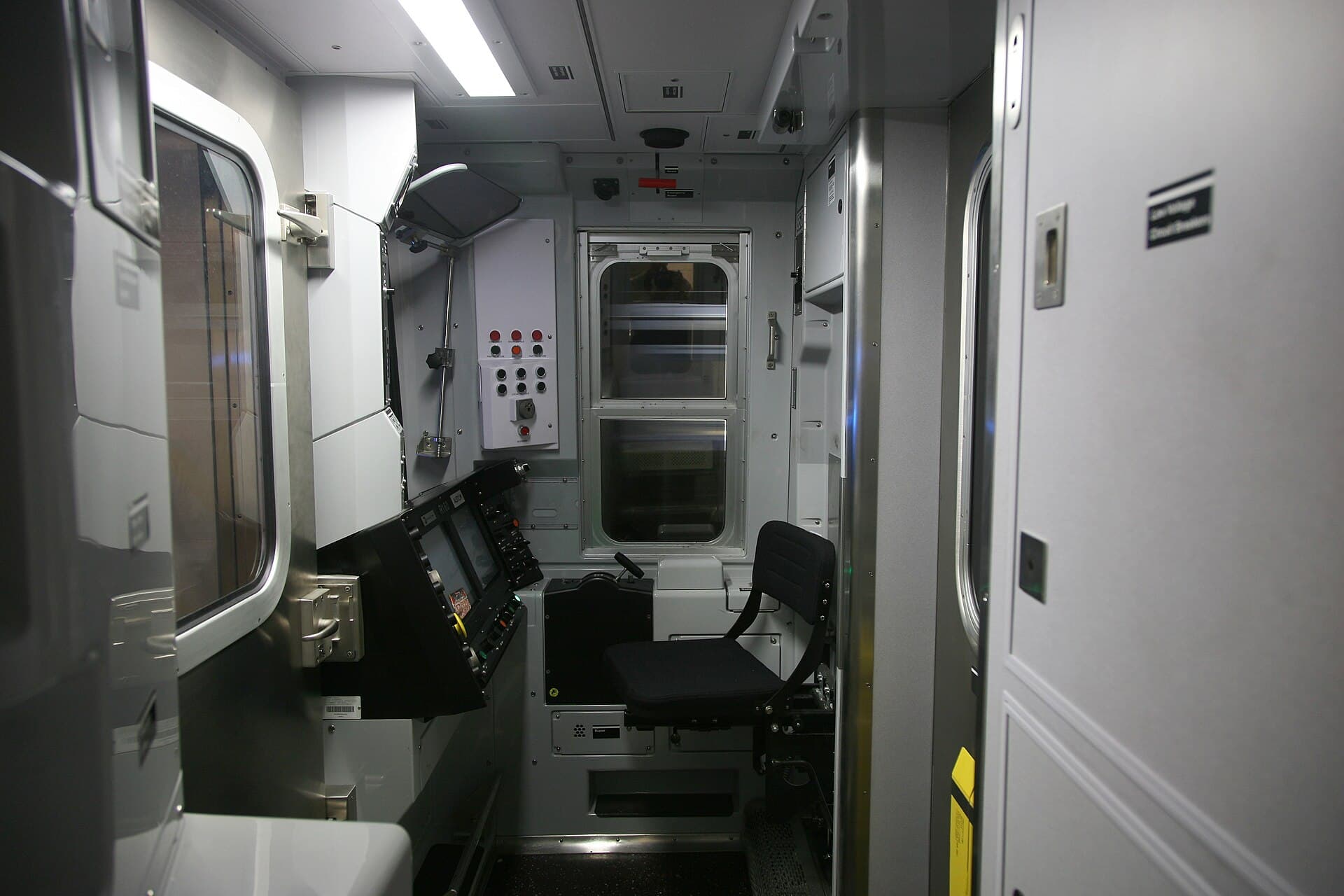
Autonomous rides keep sounding like a future-tense idea, yet the bigger story for US readers is that they’re gradually becoming a normal part of urban transportation planning. When another city opens the door to driverless trips, it’s less a sci-fi moment than a reminder that ride-hailing apps are trying to lower labor costs, expand coverage, and make the car that arrives feel more like infrastructure than a personal service.
That shift matters even if you won’t see a robotaxi in your neighborhood this year. In the near term, most people should expect a patchwork rollout: dense downtown zones first, airport corridors eventually, suburbs much later if at all. The practical culture question is not whether autonomous rides are coming, but where they’ll actually be useful. For plenty of Americans, the cheapest and most reliable plan will still be comparing transit, driving, and regular rideshare rather than assuming a futuristic option will suddenly solve daily transportation headaches.
There’s also a consumer habit worth keeping as the hype builds: treat autonomous rides like a convenience category, not a magic category. If these services arrive in US cities more broadly, riders will still care about wait times, pickup confusion, surge pricing, safety policies, and whether the trip is easier than parking their own car. The novelty may get people in once, but the real test is whether it saves time or money on an ordinary Tuesday.
For drivers and frequent rideshare users, the smartest response is calm realism. Automation may reshape some city trips, but change will likely happen route by route, neighborhood by neighborhood. Until then, the best transportation strategy is still boring and effective: keep more than one app on your phone, know your transit backup, and assume the future arrives unevenly.
Photo: Daniel Schwen via Wikimedia Commons (CC BY-SA 4.0).

Related stories
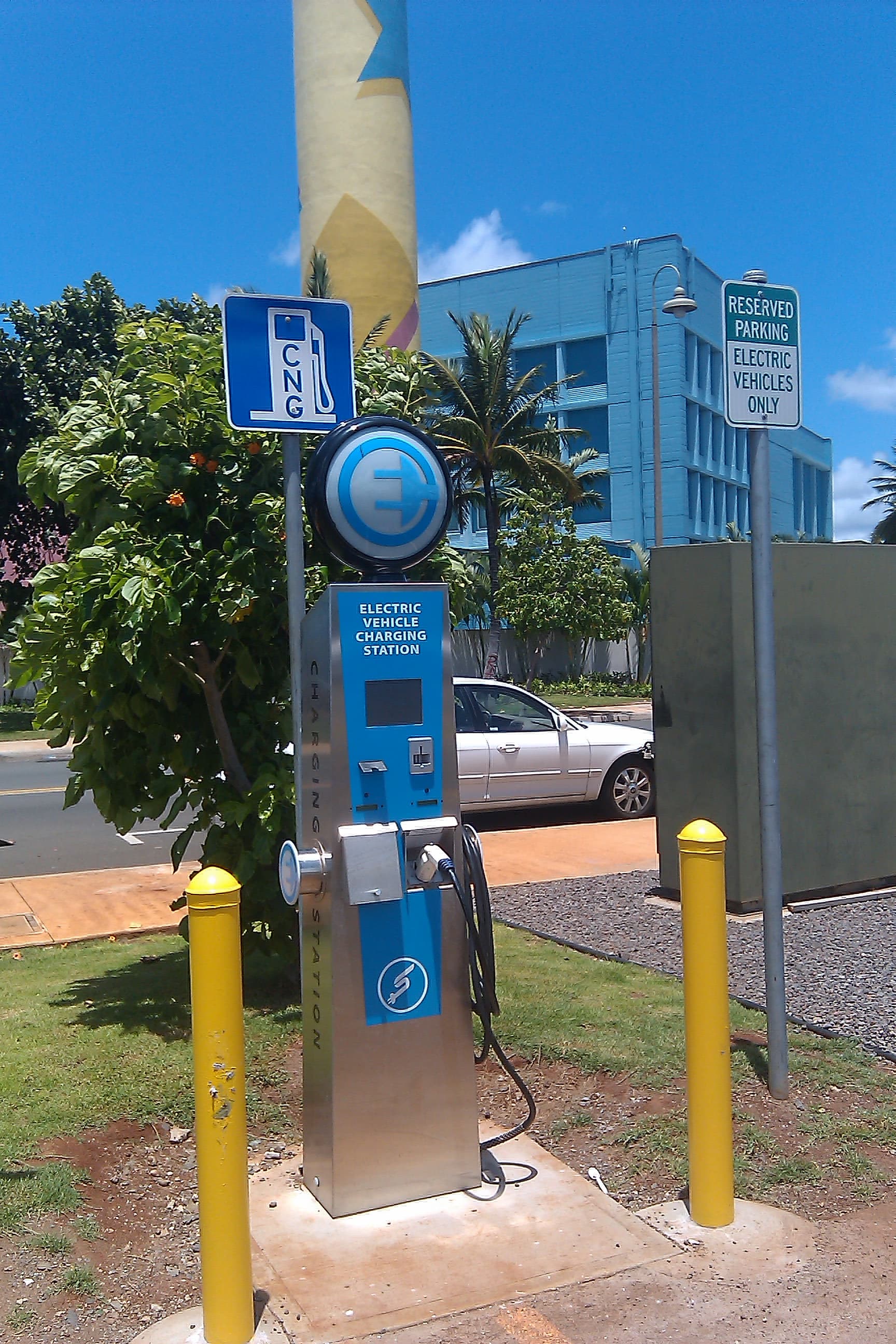
Why a New EV Charger Matters More Than a Photo Op
A new public EV charger is only exciting if it makes everyday driving easier. For most drivers, the real value is reliable charging in places they already stop, not flashy announcements.
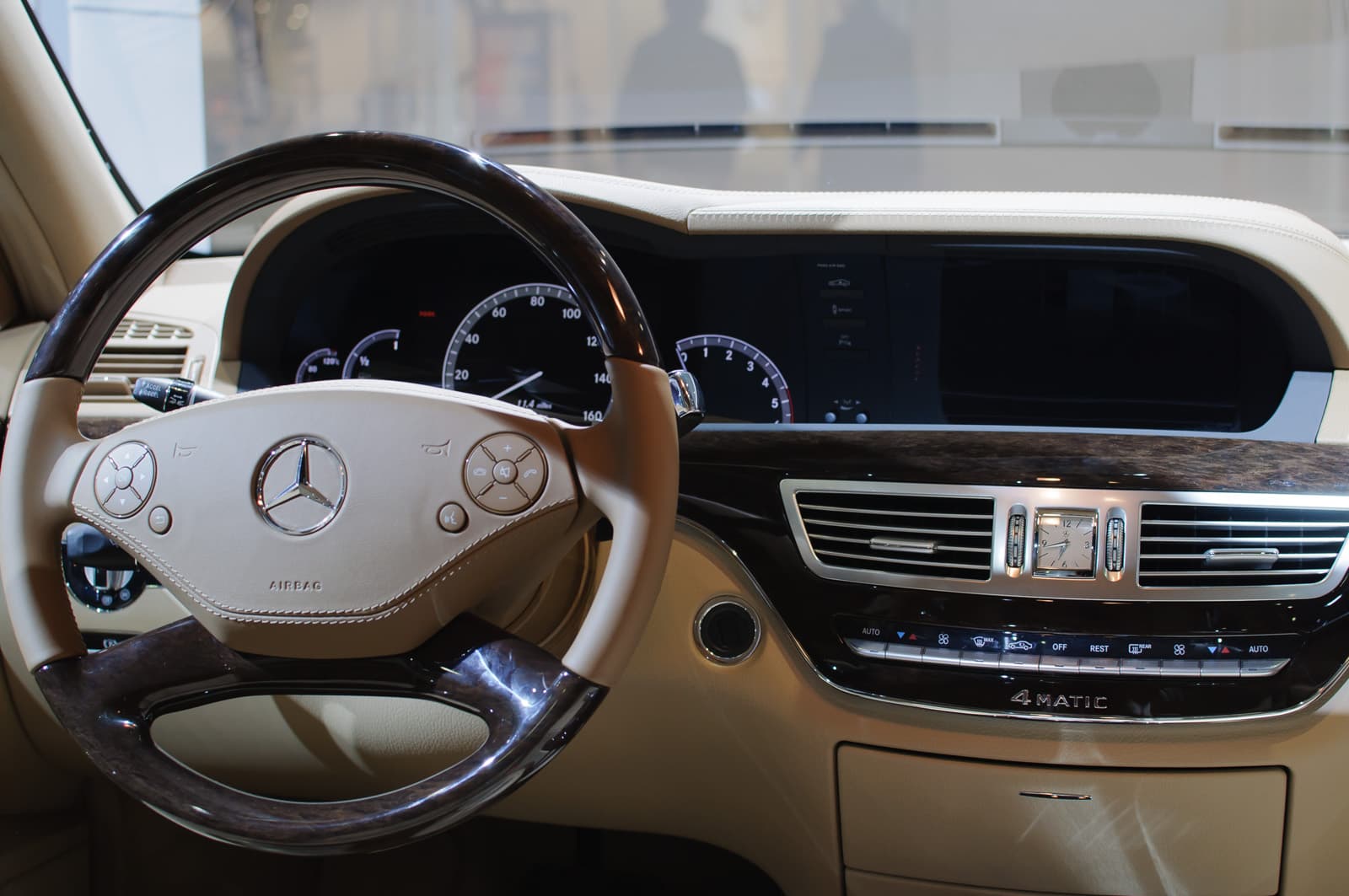
Why Your Next Car Screen Might Finally Be Easier to Live With
A quieter shift in car tech could make dashboard screens simpler to update, easier to replace, and less frustrating for drivers. For shoppers, that matters more than another flashy display demo.

Why Another European EV Push Matters to American Car Shoppers
When a premium EV brand adds another European market, it’s not just overseas news. For US shoppers, it’s a quiet signal about scale, service confidence, and how luxury electric competition could evolve at home.