What a Strong EV Month Abroad Means for American Car Shoppers
When electric cars gain momentum in another major market, US shoppers should pay attention. It usually means more competition, better software, and a stronger case for waiting for the right deal instead of rushing into the first EV on the lot.
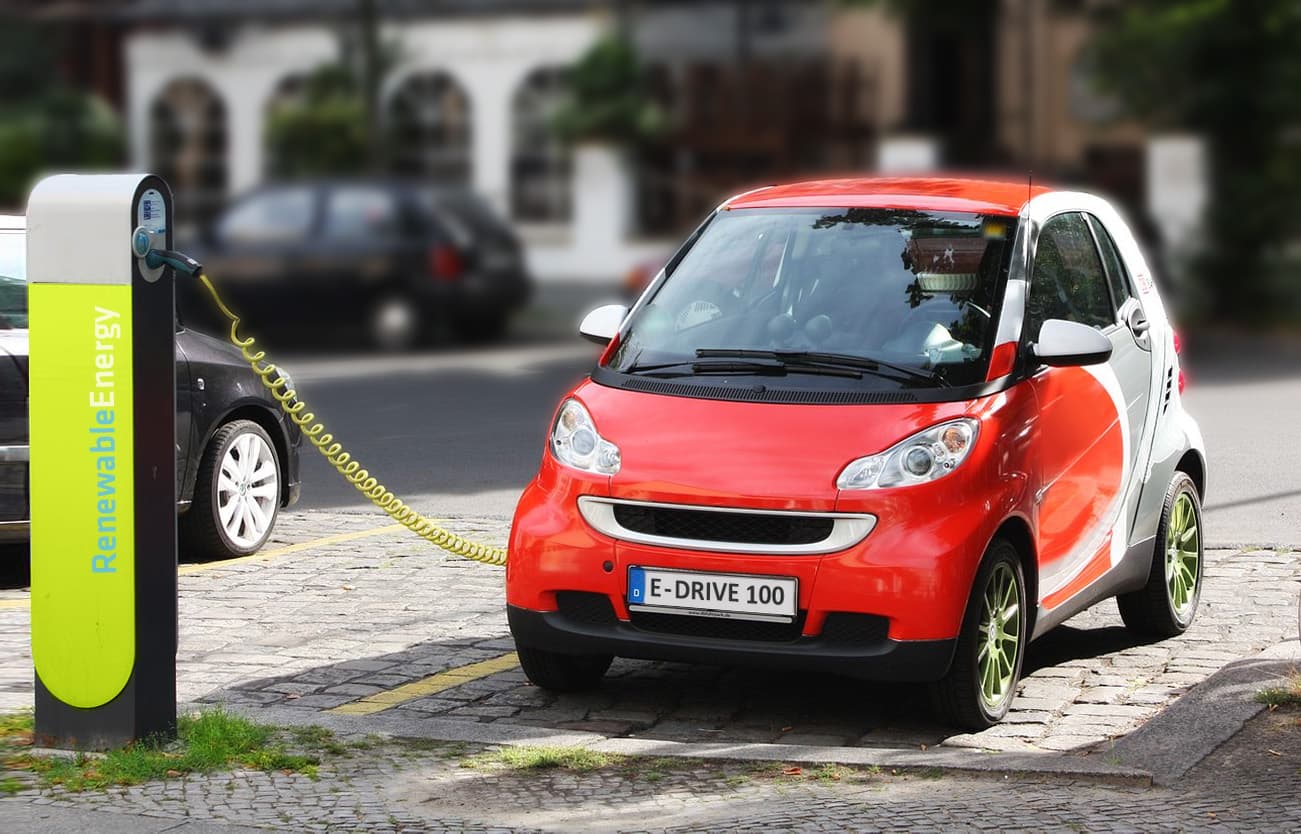
When electric cars have a breakout month in a market as established as the UK, it’s more than an overseas business story. For American drivers, it’s a reminder that EV adoption is starting to look less like a niche lifestyle choice and more like the normal direction of the car market. That matters because once automakers see steady demand in multiple countries, they tend to get more serious about model variety, production, and the ownership experience.
The practical takeaway for US shoppers is simple: this is a good time to be picky. If you’re considering an EV, you don’t need to treat today’s inventory like a once-in-a-lifetime opportunity. A market that keeps moving toward electric usually creates more pressure on brands to improve charging access, simplify software, and make entry-level trims feel less compromised. In other words, patience can be a money-saving strategy, especially if your current car still works fine.
It’s also a useful moment to separate EV hype from EV reality. The smartest reason to buy one is not trendiness or virtue signaling. It’s whether charging fits your routine, your commute is predictable, and the total cost of ownership makes sense for your household. Home charging, local utility rates, insurance costs, and winter driving habits still matter more than social media excitement or splashy launch events.
For US families, the bigger lesson may be that the best automotive deals increasingly come from timing and fit, not just sticker discounts. As electric vehicles become a more normal part of the market, shoppers who compare financing, incentives, charging options, and actual daily use will be in a better position than people chasing the newest badge. The electric future may not arrive all at once in every American neighborhood, but it’s clearly becoming harder for the market to treat it as optional.
Photo: original: Michael Movchinedited by Felix Müller via Wikimedia Commons (CC BY-SA 3.0).

Related stories
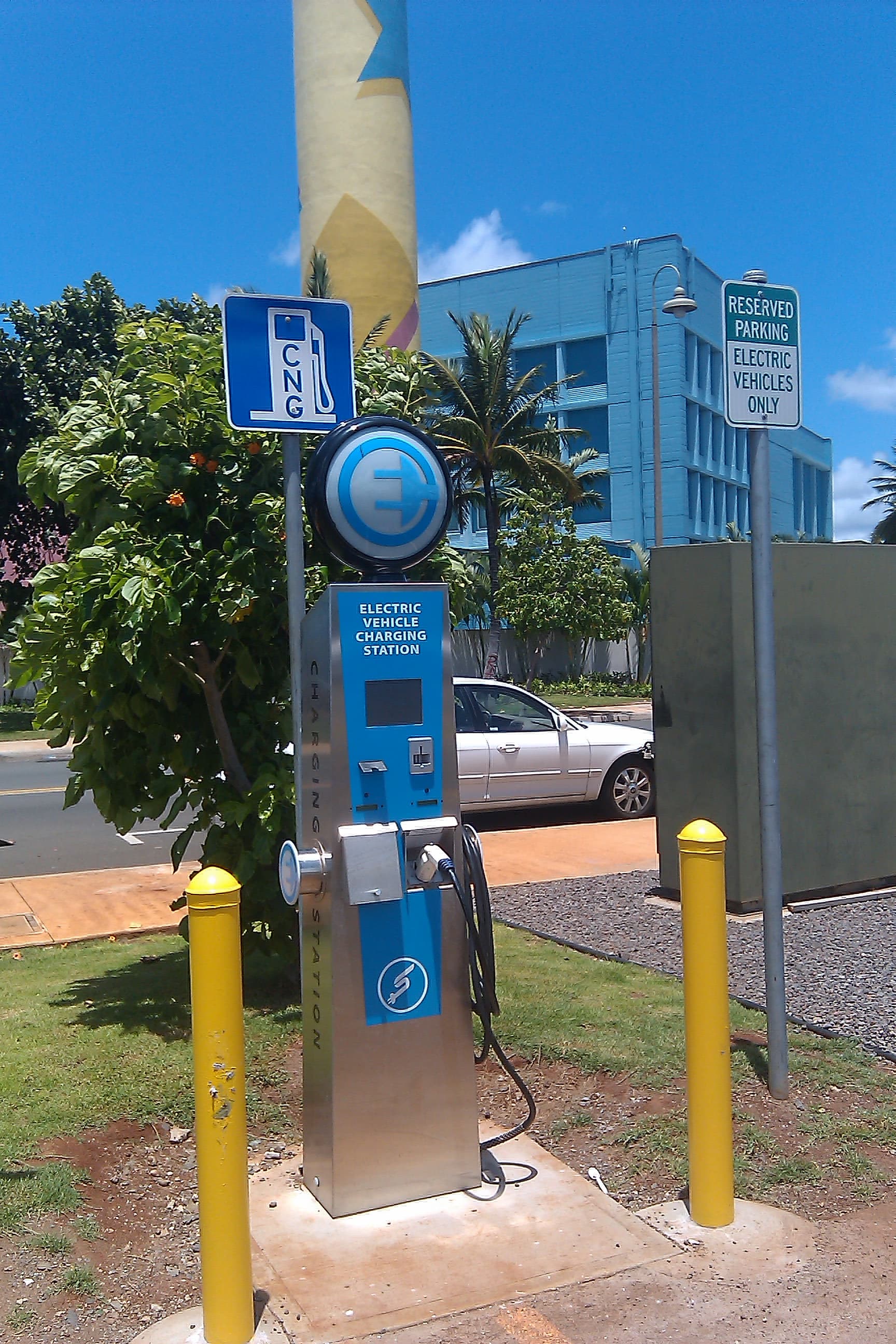
Why a New EV Charger Matters More Than a Photo Op
A new public EV charger is only exciting if it makes everyday driving easier. For most drivers, the real value is reliable charging in places they already stop, not flashy announcements.
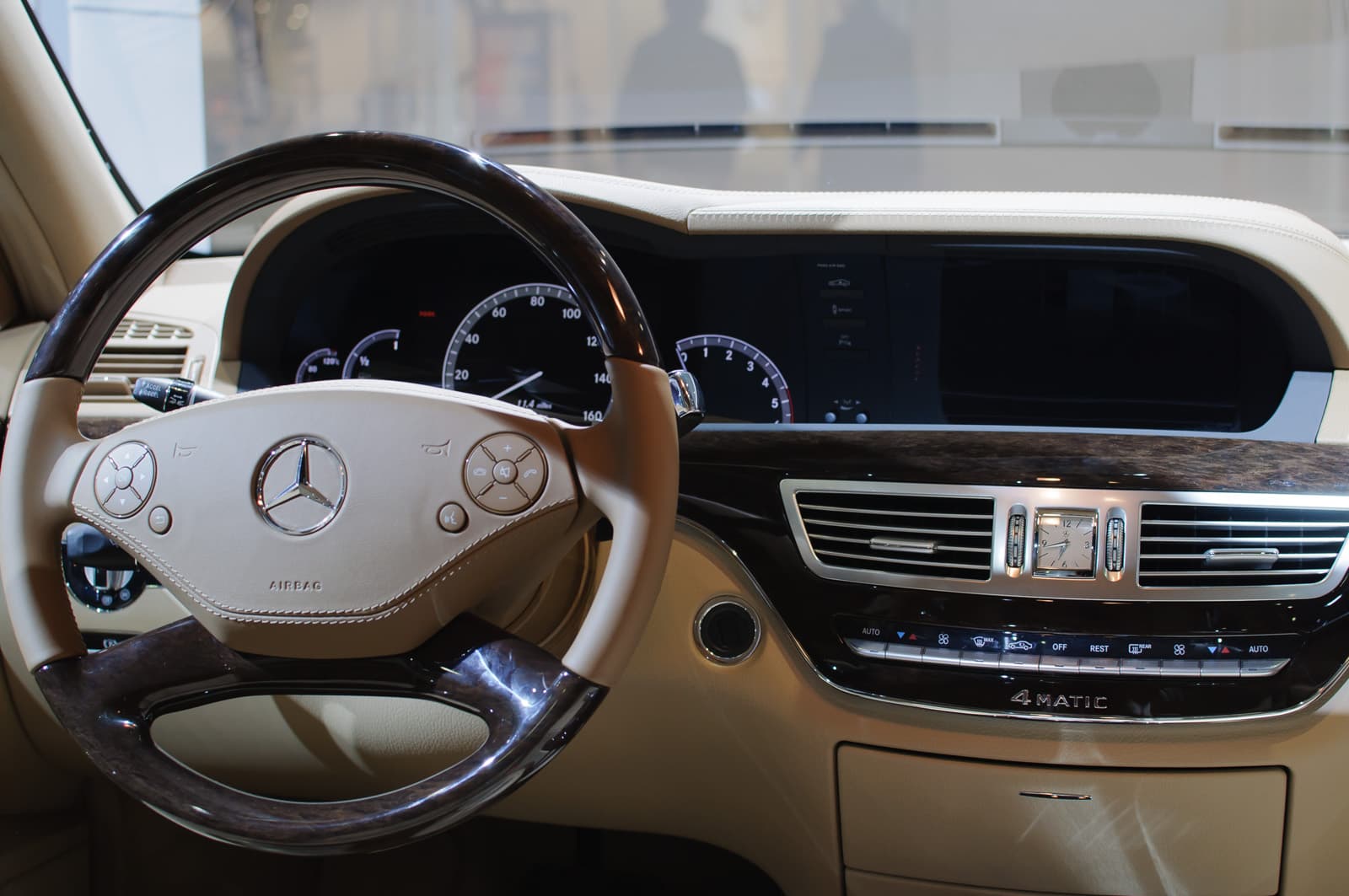
Why Your Next Car Screen Might Finally Be Easier to Live With
A quieter shift in car tech could make dashboard screens simpler to update, easier to replace, and less frustrating for drivers. For shoppers, that matters more than another flashy display demo.

Robotaxis Are Getting Closer, but Most Drivers Still Need a Backup Plan
Autonomous ride-hailing is moving from experiment to everyday possibility, but for most Americans the immediate takeaway is practical: expect a slow rollout, uneven city access, and more pressure on the cost of getting around.