Why Street-Side EV Charging Could Matter More Than Another Fast-Charger Map
For city drivers without garages, curbside charging is the difference between owning an EV easily and treating one like a weekend project. Expanding chargers on ordinary residential blocks could make electric driving feel a lot more practical.
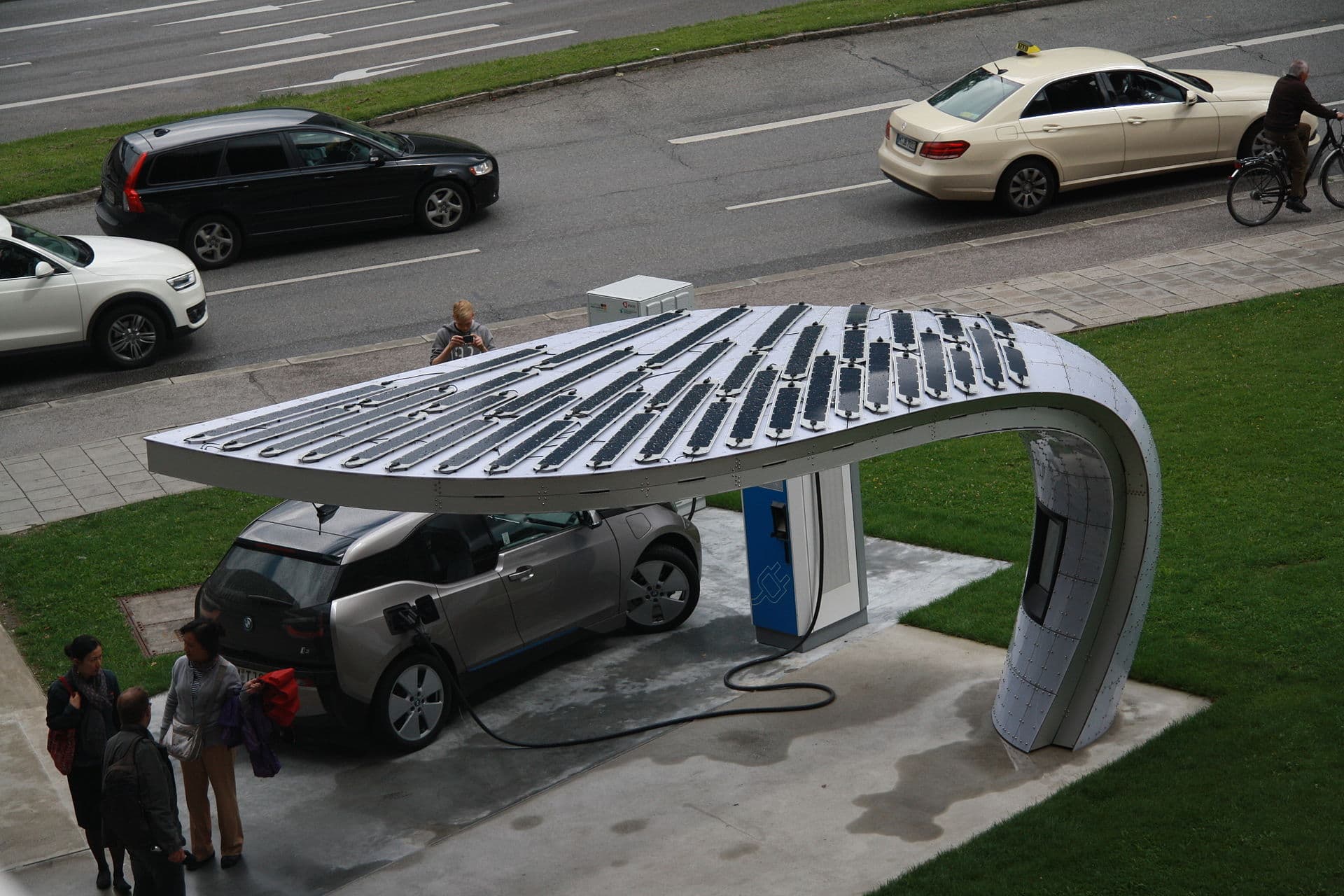
The biggest EV convenience gap in American cities is not hype, range, or even charger apps. It’s the simple fact that many apartment dwellers have nowhere reliable to plug in overnight. If charging only works smoothly for people with private driveways or dedicated parking, electric cars stay stuck as a lifestyle upgrade instead of becoming a normal option for regular households.
That’s why curbside charging is such a practical idea. A charger on an ordinary block can do more for daily life than another attention-grabbing station in a shopping center parking lot. For drivers who park on the street anyway, being able to top off near home changes the math: fewer special trips, less planning, and less dependence on hunting for an open plug across town.
The catch is that placement matters more than ribbon-cutting. Put chargers where cars already sit for long stretches, and they can fit naturally into neighborhood routines. Put them in awkward or high-conflict spots, and they turn into one more curb battle involving delivery vans, alternate-side parking, and drivers who resent losing space. Public feedback is not just process here; it’s probably the only way to avoid expensive chargers that look good on paper but stay underused in real life.
For shoppers and commuters, the broader lesson is that EV adoption gets easier when infrastructure feels boring. The best charging setup is not the one you brag about; it’s the one you stop thinking about because it fits into your week. If more cities want electric cars to move beyond early adopters, they should focus less on flashy promises and more on the plain old curb.
Photo: Jiří Sedláček via Wikimedia Commons (CC BY-SA 4.0).

Related stories
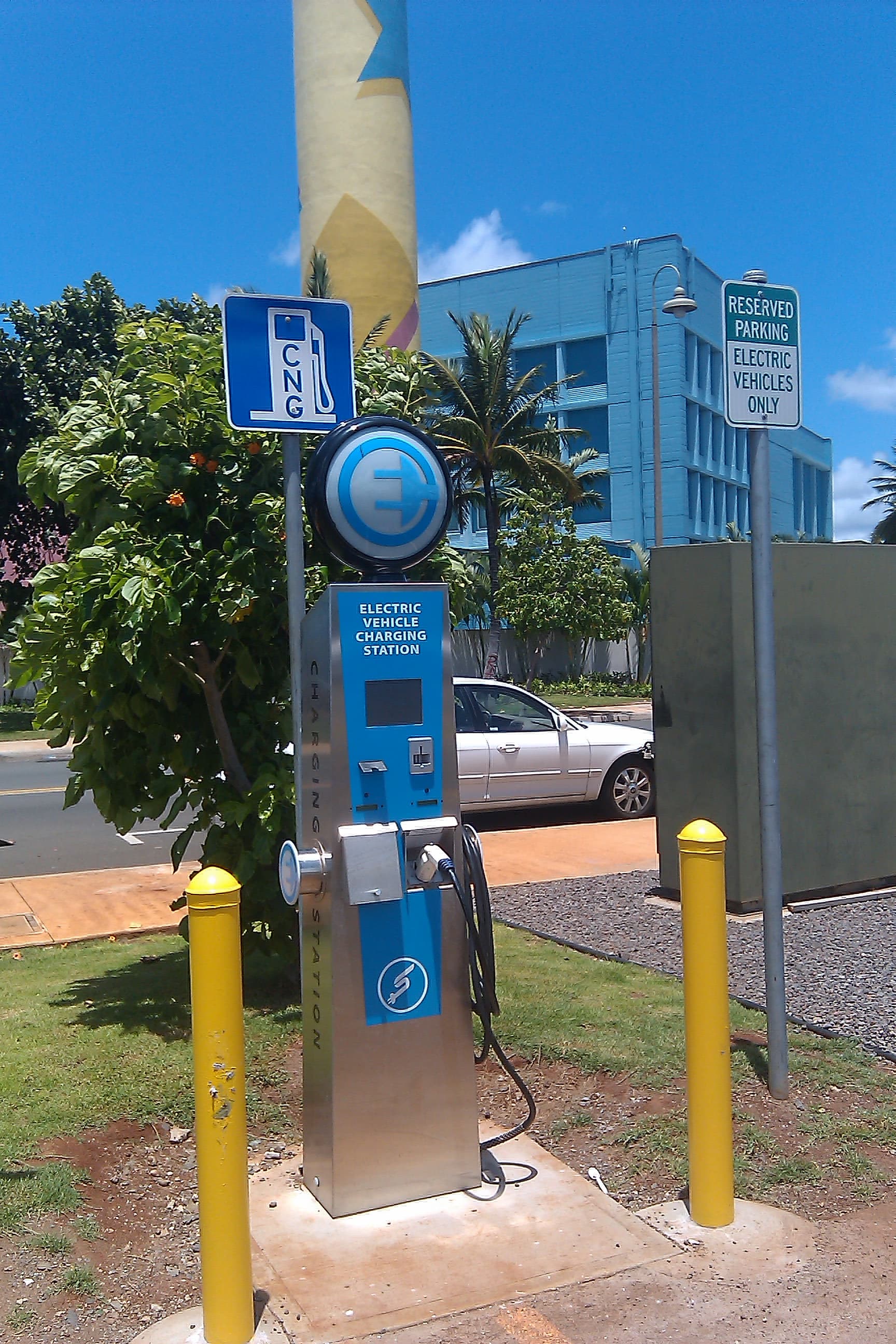
Why a New EV Charger Matters More Than a Photo Op
A new public EV charger is only exciting if it makes everyday driving easier. For most drivers, the real value is reliable charging in places they already stop, not flashy announcements.
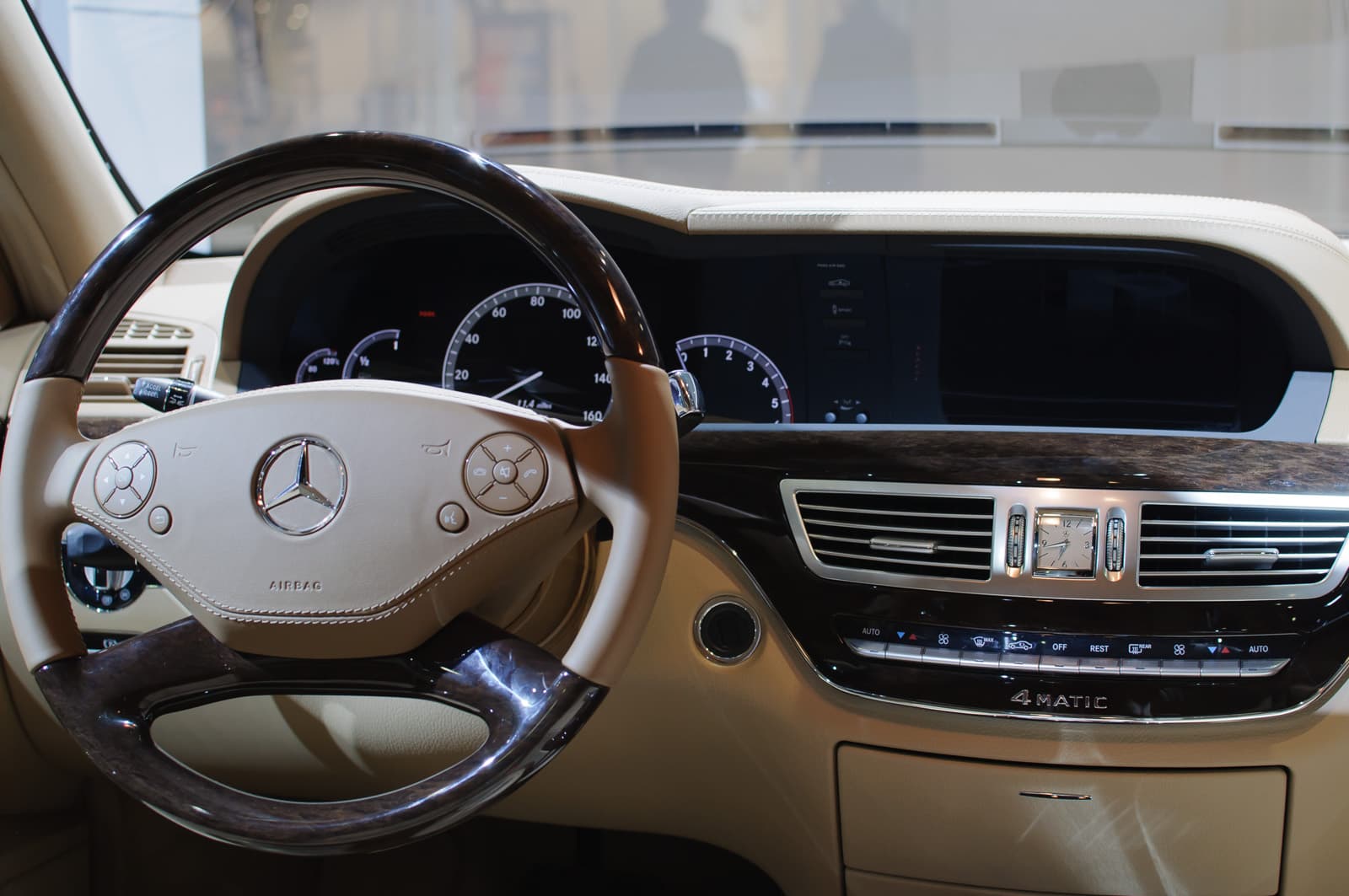
Why Your Next Car Screen Might Finally Be Easier to Live With
A quieter shift in car tech could make dashboard screens simpler to update, easier to replace, and less frustrating for drivers. For shoppers, that matters more than another flashy display demo.
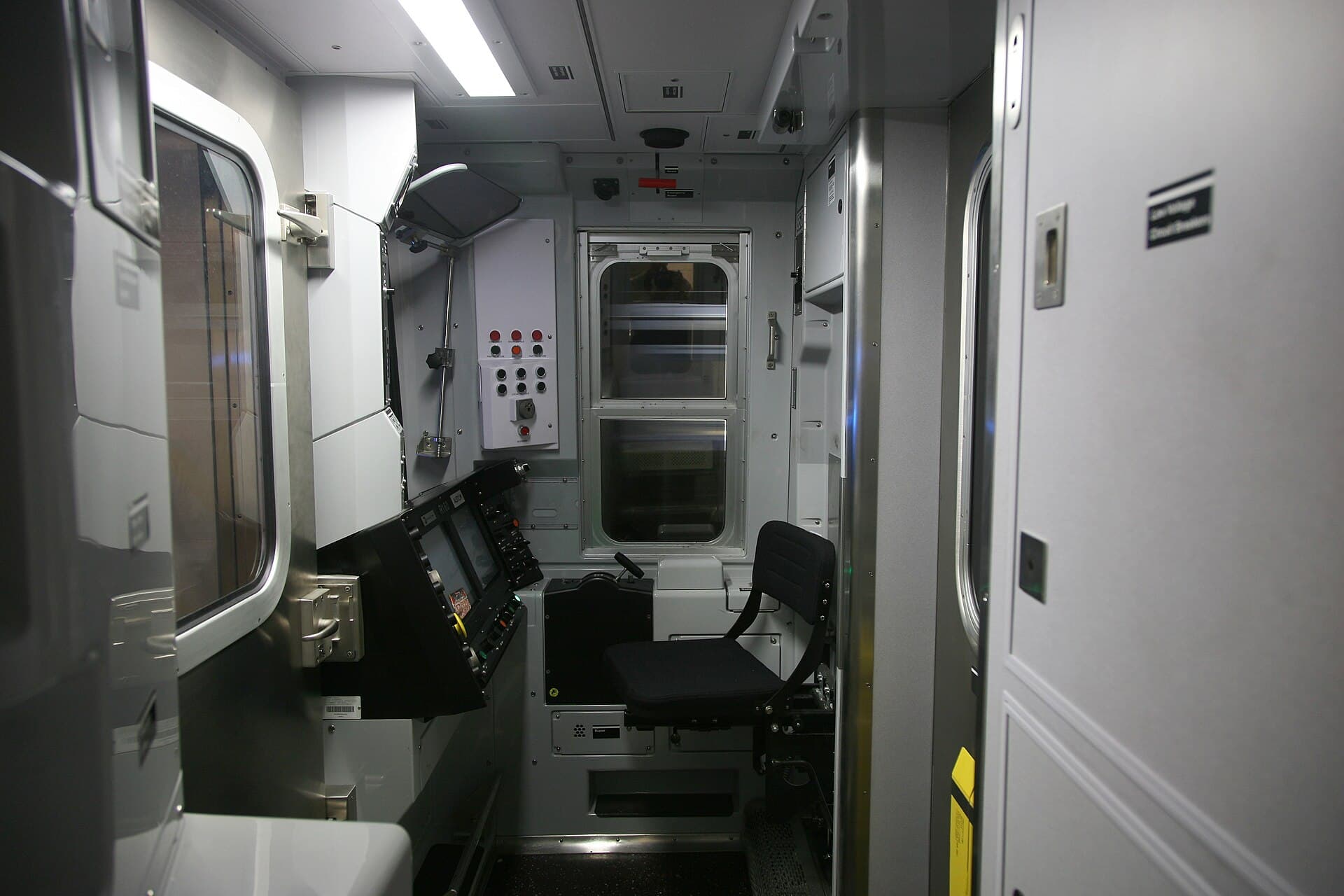
Robotaxis Are Getting Closer, but Most Drivers Still Need a Backup Plan
Autonomous ride-hailing is moving from experiment to everyday possibility, but for most Americans the immediate takeaway is practical: expect a slow rollout, uneven city access, and more pressure on the cost of getting around.