Why Student-Built EVs Matter More Than Another Concept Car
When teenagers help build an electric vehicle, the story is bigger than school pride. It points to a practical path for affordable skills, local innovation, and a less intimidating future for car technology.
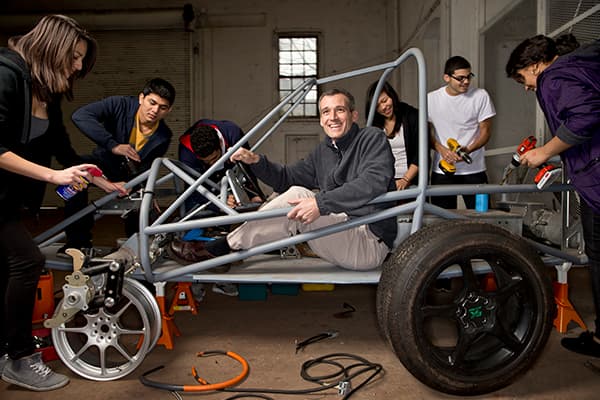
It’s easy to treat a student-built electric vehicle as a feel-good science-lab story, but the more interesting angle is what it says about how Americans actually learn car culture now. For decades, hands-on auto knowledge often started with oil changes, brake jobs, and project cars in a garage. As vehicles become more digital and battery-powered, that same spirit needs new tools, not nostalgia.
For families, programs like this make EVs feel less like a luxury-tech mystery and more like something understandable. A teenager who has helped wire, assemble, or troubleshoot an electric vehicle is going to look at the next generation of transportation with less fear and more curiosity. That matters in a country where plenty of drivers are still unsure whether electric cars are practical, repairable, or worth the trouble.
There’s also a smart consumer lesson here: the future of affordable driving won’t come only from flashy launches or premium badges. It will depend on whether schools, community colleges, and local training programs can prepare people to maintain and improve the vehicles that normal households will eventually buy used. If we want cheaper ownership costs and better access to repairs, we need more students learning the hardware and software behind modern cars.
The best part of these projects is that they connect ambition to something tangible. Not every student will become an engineer, but building a vehicle teaches the kind of problem-solving that translates into real work and smarter buying decisions. In a market full of hype, practical experience is still one of the most valuable automotive upgrades around.
Photo: BillCramer via Wikimedia Commons (CC BY-SA 4.0).

Related stories
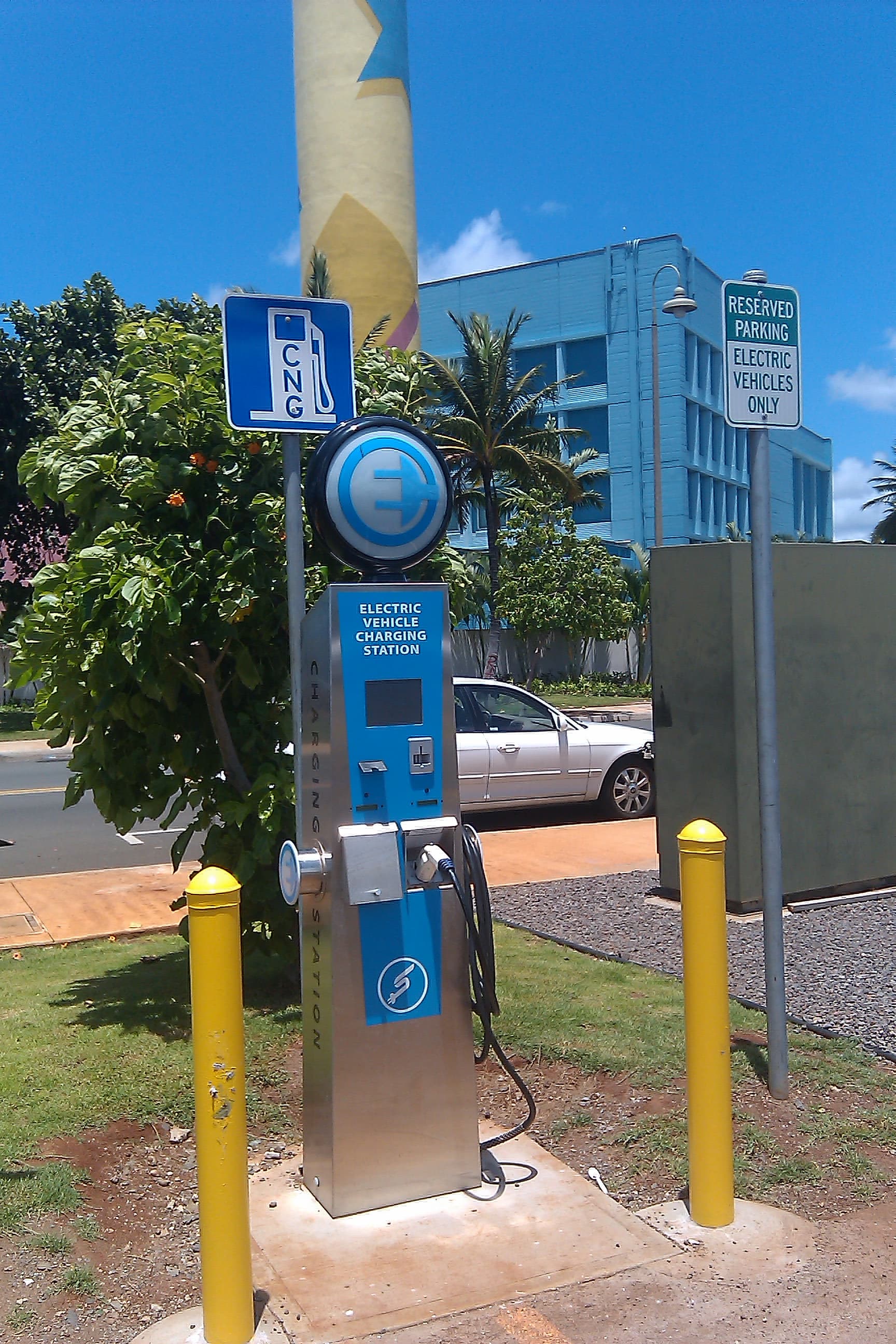
Why a New EV Charger Matters More Than a Photo Op
A new public EV charger is only exciting if it makes everyday driving easier. For most drivers, the real value is reliable charging in places they already stop, not flashy announcements.
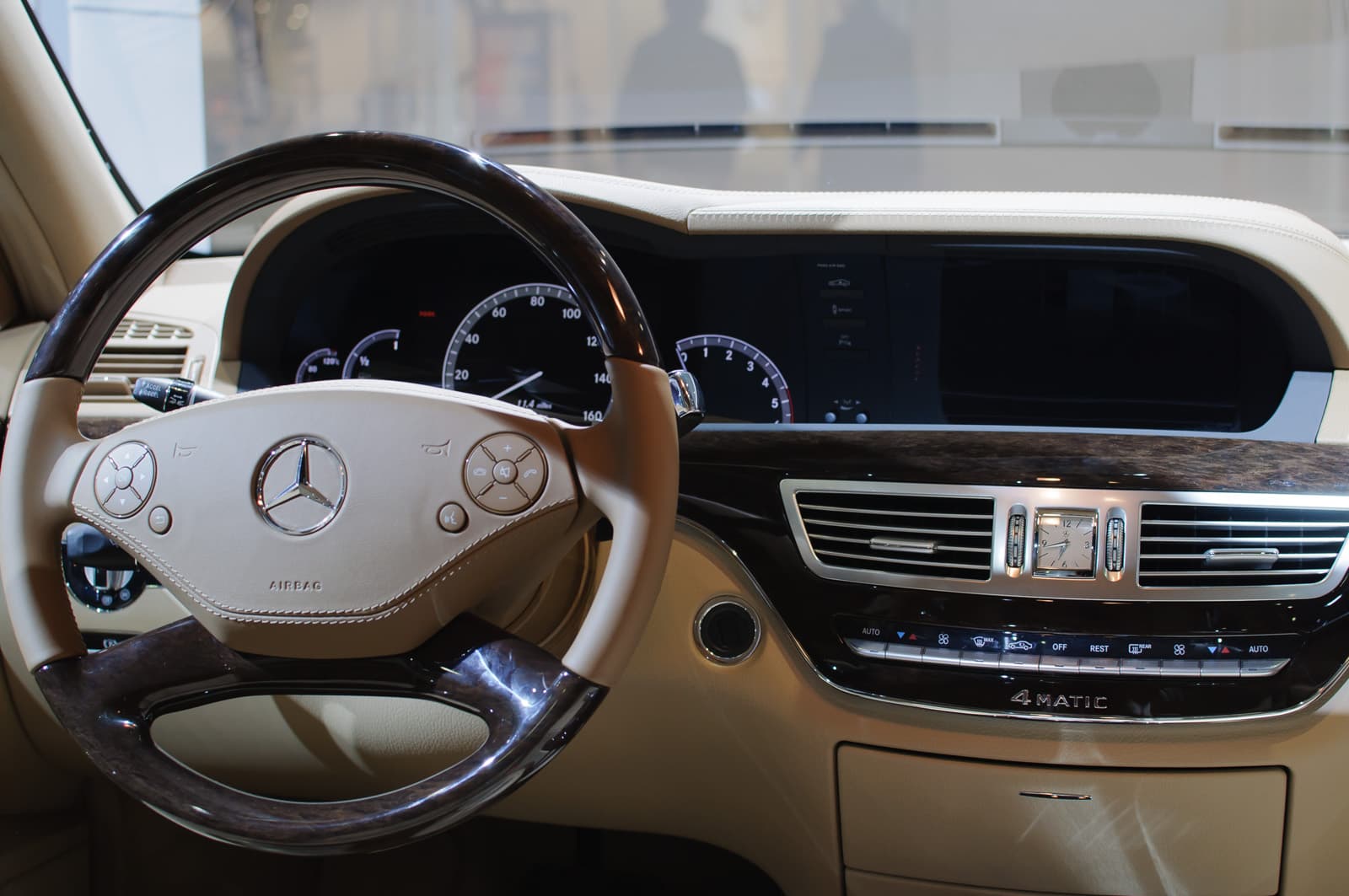
Why Your Next Car Screen Might Finally Be Easier to Live With
A quieter shift in car tech could make dashboard screens simpler to update, easier to replace, and less frustrating for drivers. For shoppers, that matters more than another flashy display demo.
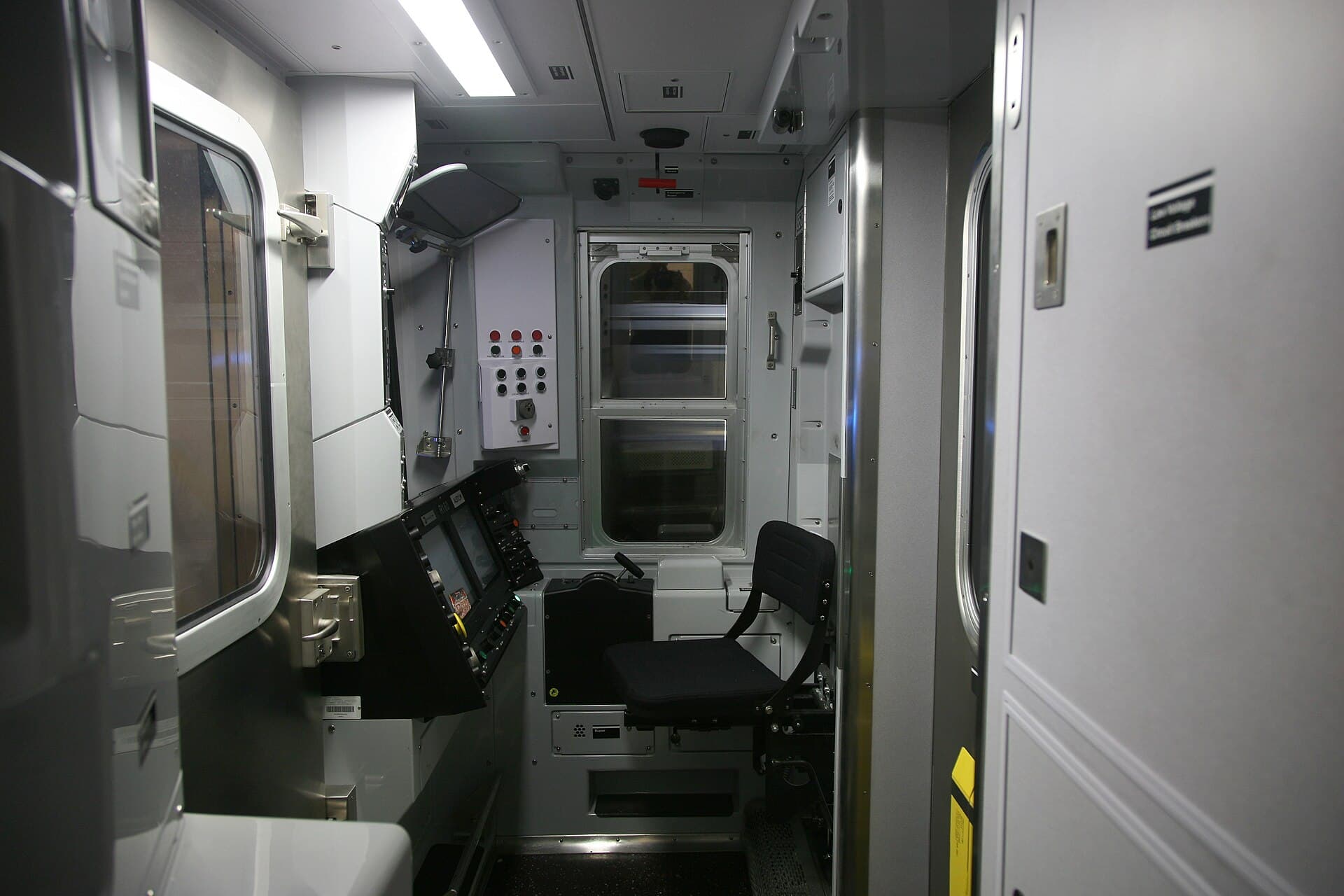
Robotaxis Are Getting Closer, but Most Drivers Still Need a Backup Plan
Autonomous ride-hailing is moving from experiment to everyday possibility, but for most Americans the immediate takeaway is practical: expect a slow rollout, uneven city access, and more pressure on the cost of getting around.